Uncategorized
November 20, 1970
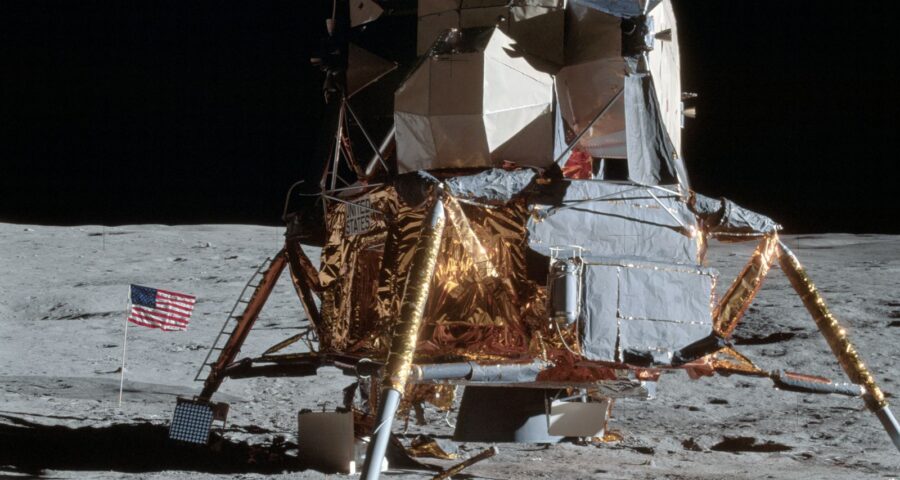
The Fra Mauro samples from Apollo 14 are being analyzed. The formation turns out to be exactly what the geologists hoped: Imbrium basin ejecta, telling us about the giant impact.
Read the full entry
Uncategorized
August 20, 1970
NASA has been releasing transcripts of the air-to-ground communications for Apollo missions, and I've been reading them. The language is unlike anything else.
Read the full entry
Uncategorized
July 1, 1970
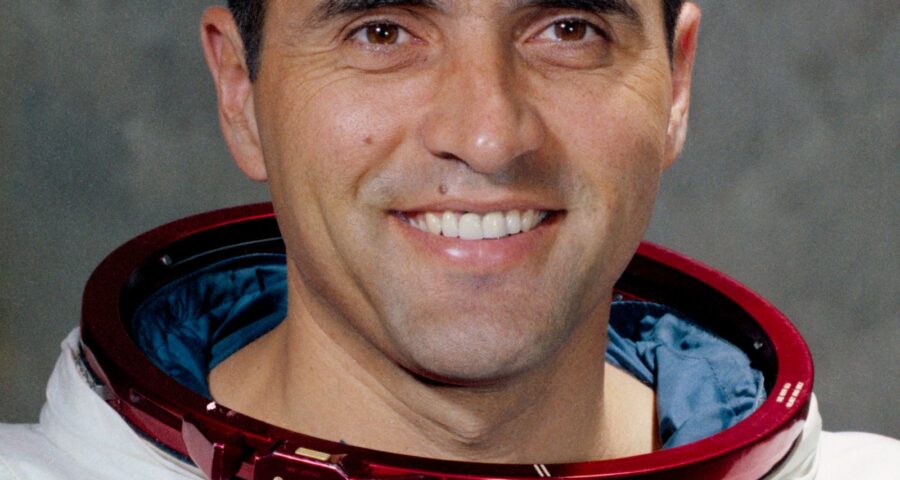
NASA selected its first group of scientist-astronauts in 1965 and a second group in 1967. They've been waiting for years to fly. Their time is coming.
Read the full entry
Technology
June 15, 1970
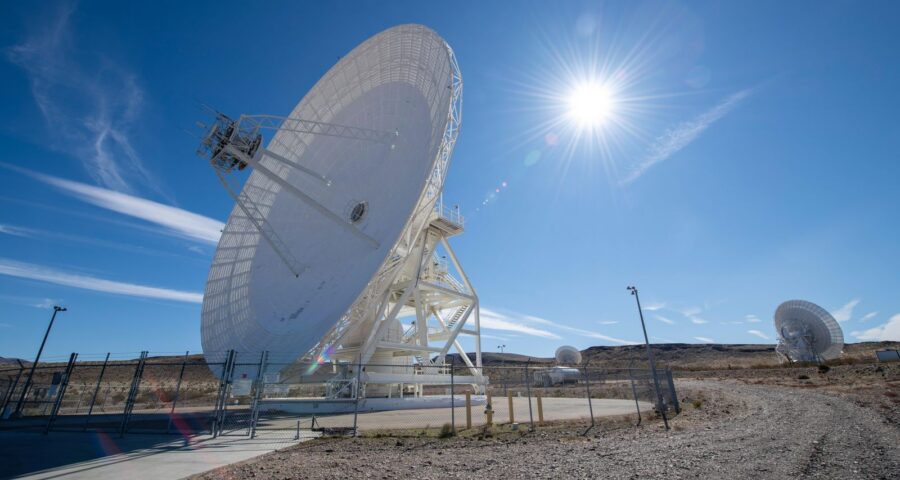
I've been reading about the Deep Space Network — the antennas NASA uses to communicate with spacecraft at the Moon. It's a global system that had to be invented.
Read the full entry
Uncategorized
May 30, 1970
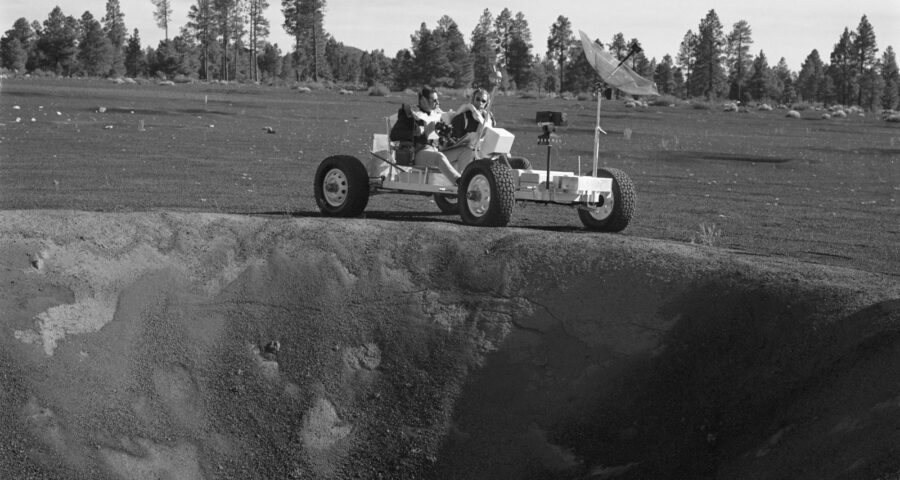
The preliminary examination of the Apollo 11 and 12 samples is done. I've been reading the published results. Here's what we've learned from the rocks.
Read the full entry
Apollo 13
April 20, 1970
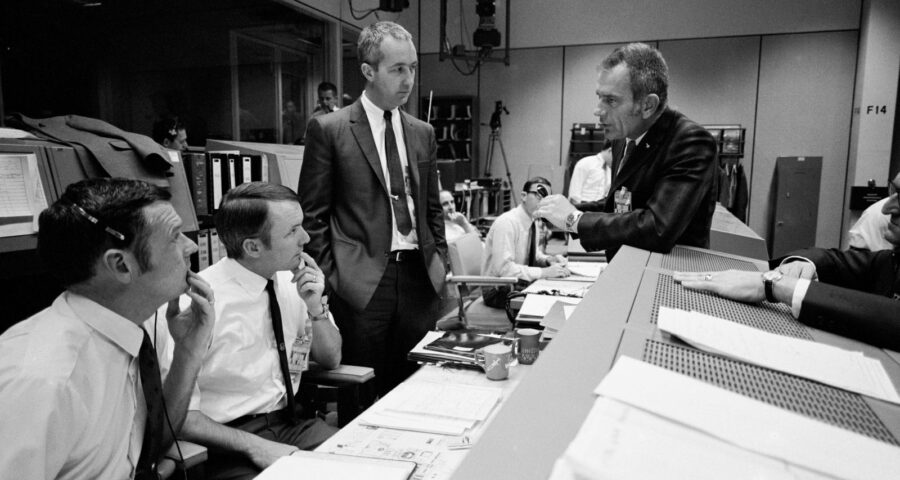
Gene Kranz said "failure is not an option" — or something like it. I don't know his exact words, but I know what the White Team did for six days straight. Mission Control brought three men home from a crippled spacecraft 200,000 miles away. They are the unsung heroes of…
Read the full entry
Apollo 13
April 17, 1970
Apollo 13 splashed down in the Pacific today. Three parachutes. Three men alive. Jim Lovell, Jack Swigert, and Fred Haise are home. When the parachutes deployed and the capsule hit the water, Betty cried. I wasn't far behind. Six days of this. They made it.
Read the full entry
Uncategorized
April 15, 1970
The full story of what Mission Control did during Apollo 13 is becoming clear. The engineering problem-solving was extraordinary.
Read the full entry
Apollo 13
April 15, 1970
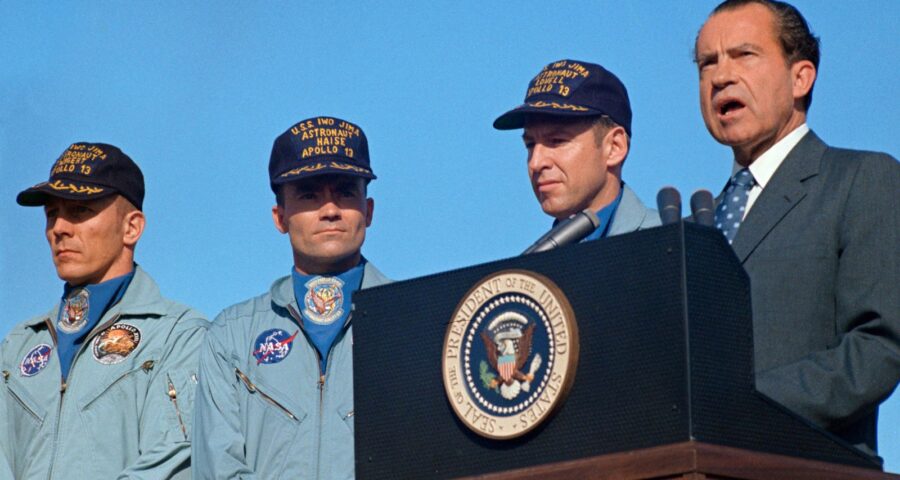
The temperature inside Apollo 13 is down to 38 degrees Fahrenheit. The crew cannot sleep properly. They're dehydrated — rationing water. They're running on fumes and determination and the people at Mission Control who will not give up on them. One more day.
Read the full entry
Apollo 13
April 14, 1970
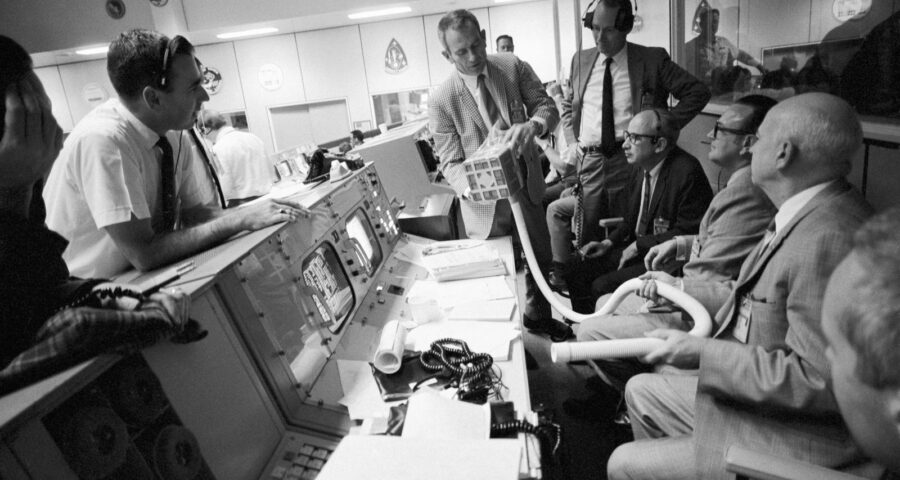
Mission Control engineers spent hours designing a way to make square carbon dioxide scrubber cartridges fit round holes, using only materials available on the spacecraft: cardboard, plastic bags, and tape. They called it the "mailbox." It worked. This is what saves people's lives: someone who knows enough to improvise.
Read the full entry