It started with a radio.
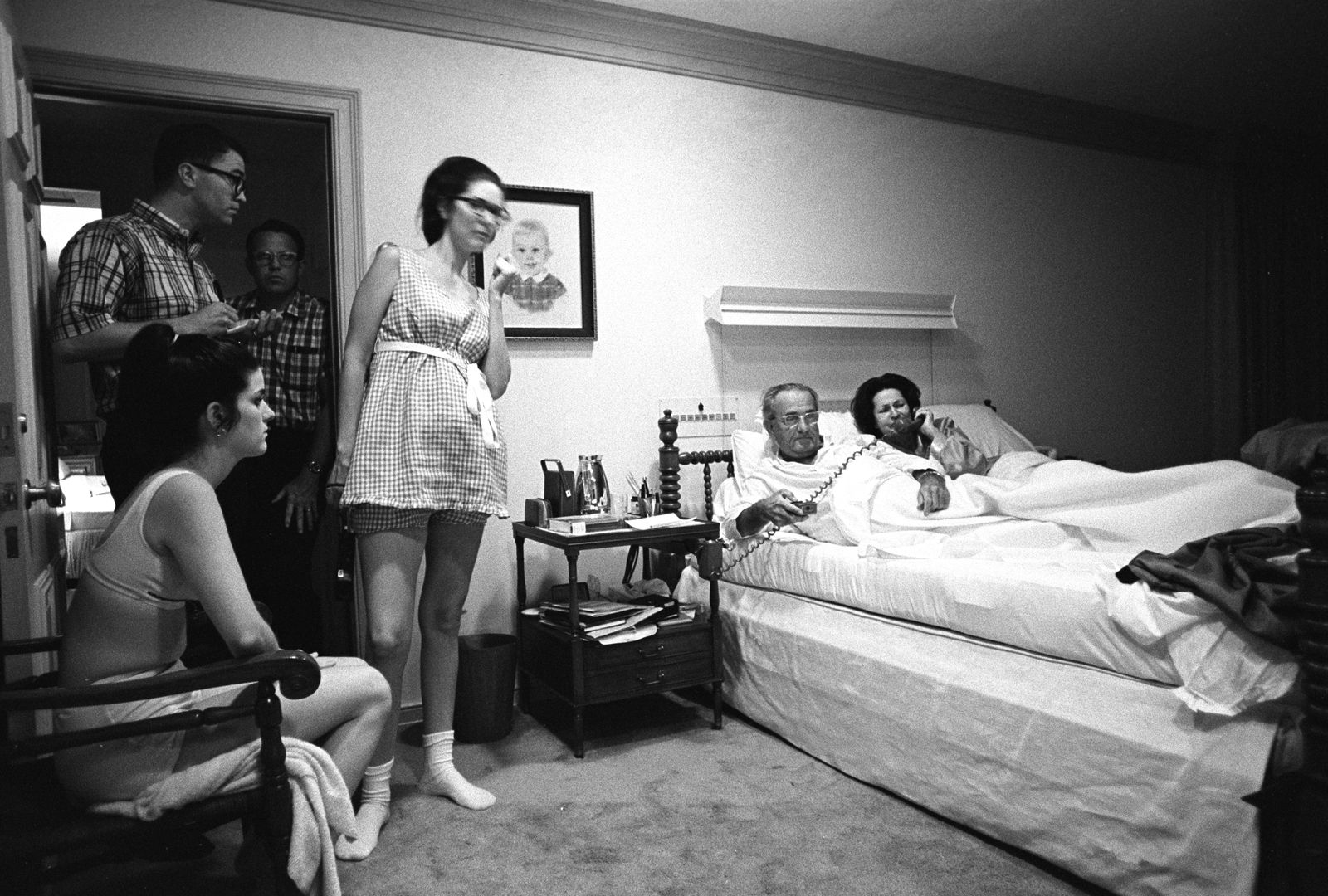
April 12th, 1961. Kitchen table. Coffee. The morning news. An announcer’s voice saying: a Soviet cosmonaut named Yuri Gagarin had just become the first human being to orbit the Earth. I sat there with my fork in mid-air and the coffee going cold and I thought: everything just changed.
I was wrong, technically. Not everything changed. The house was still the same house. Betty still needed the gutters cleaned. My boss still had the quarterly report on his desk. Harold from next door still had opinions about wasted money. The world was mostly the same on April 13th as it had been on April 11th.
But something had happened that morning that I couldn’t unfeel. A human being had left the Earth and come back. Gone up and orbited our whole planet and returned. After every generation of humans who had ever lived on Earth without that being a thing humans do, a man named Gagarin did it. And I heard it on the radio over breakfast.
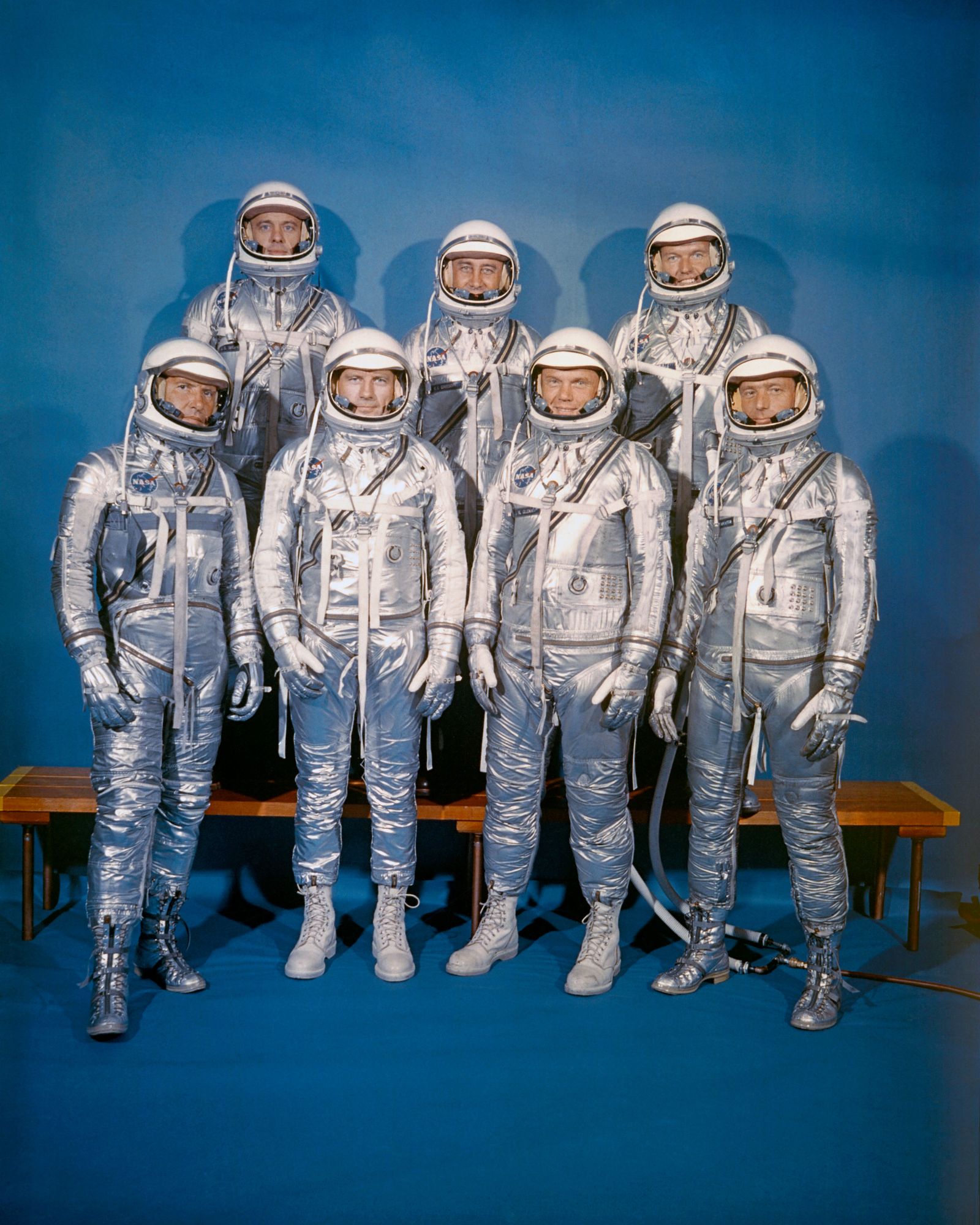
I have been paying attention since that morning. Twelve years. I have watched every Mercury flight and every Gemini flight and every Apollo flight. I watched the launches and listened to the descents and held my breath through every silence when the spacecraft was on the back side of the Moon with no radio contact. I grieved for Grissom and White and Chaffee in January 1967 and I came back to the program and kept paying attention because they would have wanted that.
I watched Armstrong step off the ladder on July 20th, 1969. I watched Cernan climb up the ladder on December 14th, 1972. In between, twelve people walked on the Moon. I wrote about every mission. I kept the clippings. I have seventeen shoeboxes of evidence that I was paying attention.
What do I know now that I didn’t know in 1961?
I know that the Moon is a place. It’s not a light; it’s a world, with geography and geology and a history going back 4.5 billion years. The Genesis Rock is real and it’s on Earth now, in a laboratory, being studied. The orange glass beads from Shorty Crater are real. The footprints at Tranquility Base are real — unchanged, in the airless quiet, waiting for whoever comes next.
I know that human beings, given sufficient motivation and sufficient resources and sufficient ingenuity, can do things that appear impossible. Apollo 11 appeared impossible in 1961. Apollo 13 appeared unsurvivable in 1970. Both turned out to be possible. Sometimes impossible things are possible if you refuse to accept that they aren’t.
I know that Neil Armstrong is a quiet man from Ohio and Alan Shepard was a ferocious competitor from New Hampshire and Pete Conrad was the funniest astronaut and Gene Cernan couldn’t quite contain himself on the Moon. I know that John Aaron was twenty-six and saved Apollo 12 by remembering a switch position from a simulation. I know that Jim Irwin saw God at Hadley Rille. I know that Harrison Schmitt found orange dirt at Shorty Crater and couldn’t keep the excitement out of his voice.
I know that the Earth looks like a marble from 28,000 miles out. Blue and white and alone.
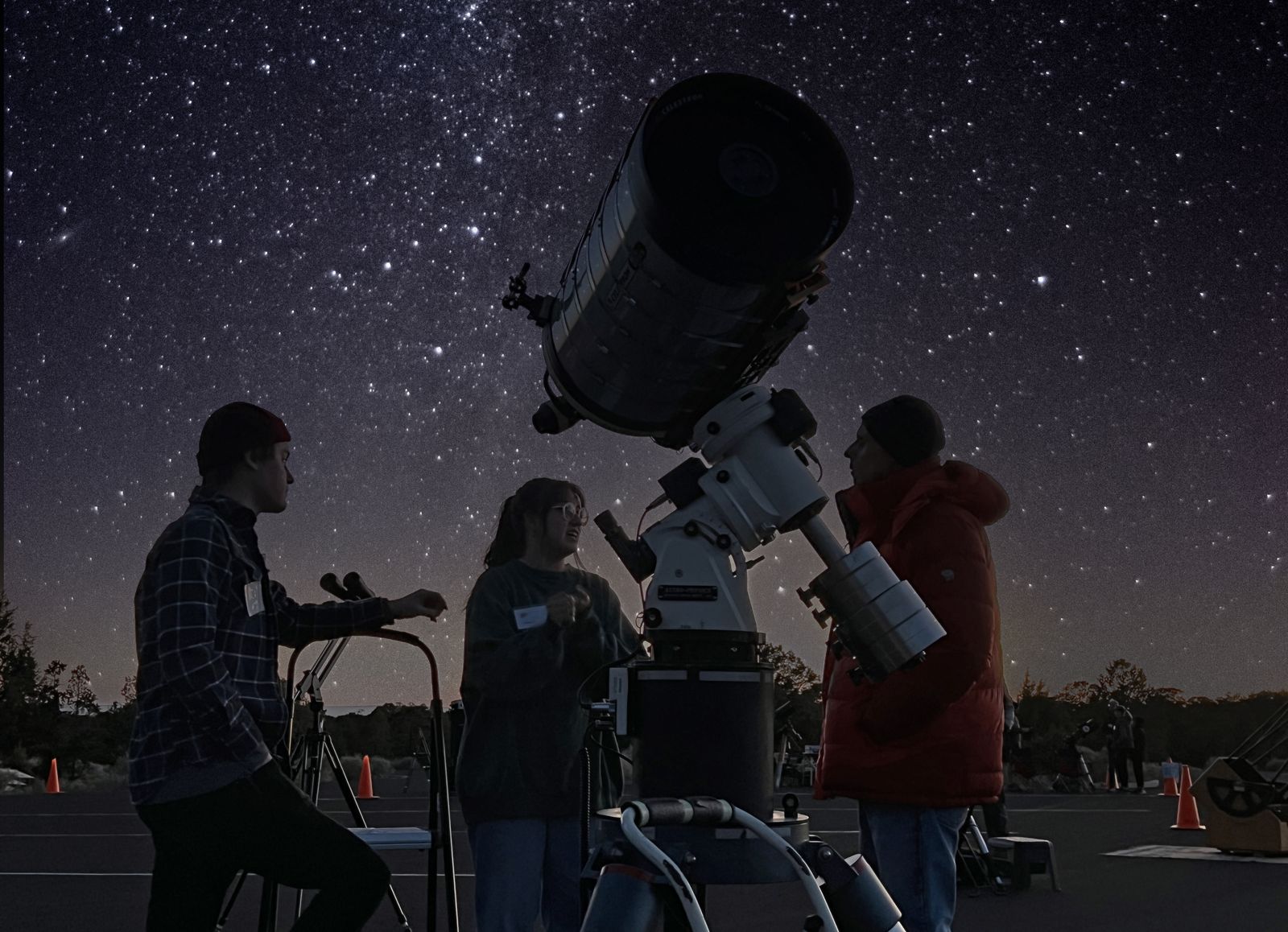
I keep looking up. Not every night, not with the obsession of the early years when I used to crane my neck at the Moon wondering if we’d make it. But I still look up. The Moon is there. It’s a place. People have been there. Someday people will go back, and then beyond — Mars, eventually, and I don’t know where after that.
I hope I live long enough to see it. I hope my kids live long enough to see Mars. I hope Cernan was right that we’ll be back not too long into the future.
Twelve years after a radio announcement over breakfast, I’m still paying attention. I still have the coffee mug on the table. Betty still tells me I have a problem. The shoeboxes have multiplied to seventeen.
I don’t think I’ll stop. I think I’ll keep looking up. I think that’s all right. I think paying attention to the extraordinary things human beings do — the improbable, the perilous, the humbling, the magnificent — is about the best use of a person’s time I know of.
The Eagle landed. Cernan climbed the ladder. The program is over, for now.
But we went. We actually went.
And some summer morning, years from now, I expect I’ll be sitting at a kitchen table with coffee going cold, listening to the radio, and I’ll hear something that will make me put down my fork and think: everything just changed again.
I’ll be ready.