The Fra Mauro samples from Apollo 14 are being analyzed by the science teams, and the results are significant.
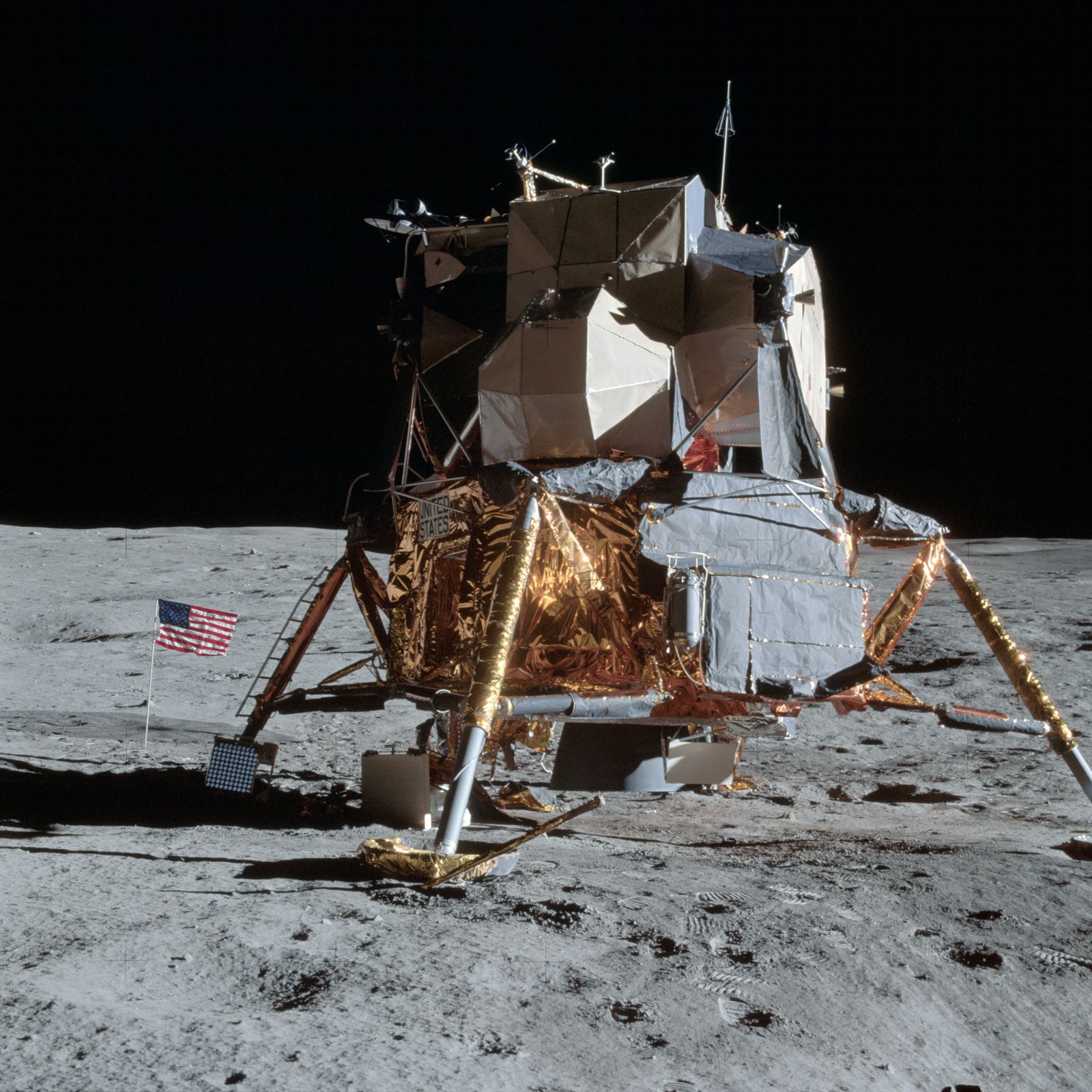
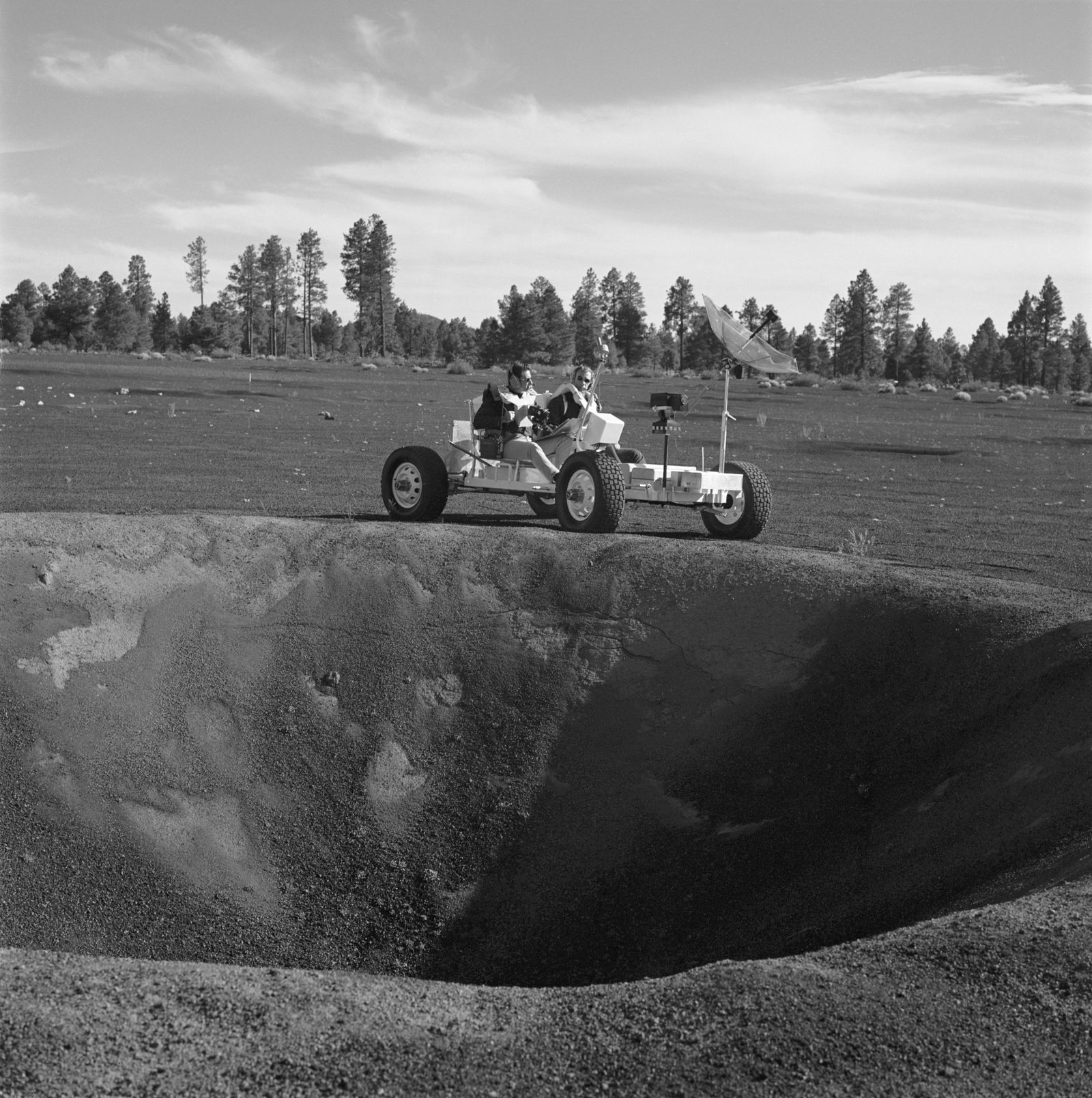
Fra Mauro is a geological formation — the Fra Mauro Formation — that consists of material ejected during the Imbrium basin impact roughly 3.85 billion years ago. This was one of the largest impacts in the Moon’s history: an asteroid or comet struck the northeastern nearside and excavated a 700-mile-wide basin, throwing debris across much of the nearside and forming the highlands that surround it.
The samples Shepard and Mitchell collected are primarily breccias — rocks formed when loose material (regolith, rock fragments) is compressed and fused by the energy of an impact. Each breccia sample is a little archive of what the Moon’s surface was like before the impact: fragments of older rocks, glass, minerals, all compressed into a new rock by the Imbrium event.
The age dating: the Imbrium impact at about 3.85 billion years ago is consistent with the “Late Heavy Bombardment” hypothesis — a period in the early solar system (3.9-3.8 billion years ago) when the inner planets were heavily bombarded by debris from the outer solar system. The Moon, lacking erosion, preserved the record. Earth was also being bombarded at the same time, but Earth’s geological processes have erased the craters.
The Fra Mauro samples are, in essence, records of what Earth looked like 3.85 billion years ago — the kind of bombardment that the young Earth was also experiencing. We can’t sample those early Earth rocks because they’ve been recycled. We can sample their lunar equivalents.
Shepard and Mitchell couldn’t quite reach Cone Crater’s rim, which would have exposed deeper, even older material. But what they did collect tells a detailed story about one of the solar system’s formative catastrophes.
94 pounds of history. It’s in Houston being read.