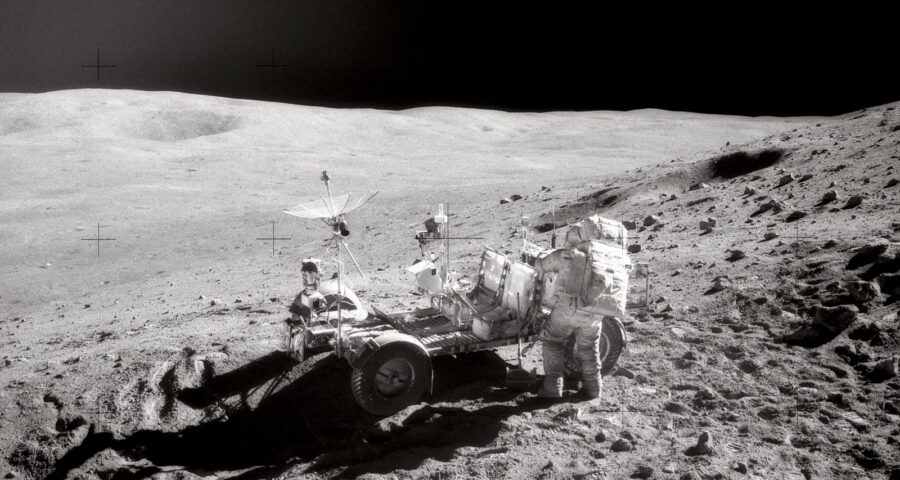
Apollo 16
April 21, 1972
John Young and Charles Duke are on the surface of the Descartes Highlands, and the science is already surprising. The region was supposed to be volcanic, different from the mare sites. The first samples suggest it isn't. The Moon keeps teaching us by being different from what we expected.
Read the full entry
Uncategorized
April 16, 1972
John Young and Charlie Duke landed in the Descartes Highlands yesterday. The terrain is older and rougher than the maria. Young jumped a perfect salute.
Read the full entry
Technology
March 3, 1972
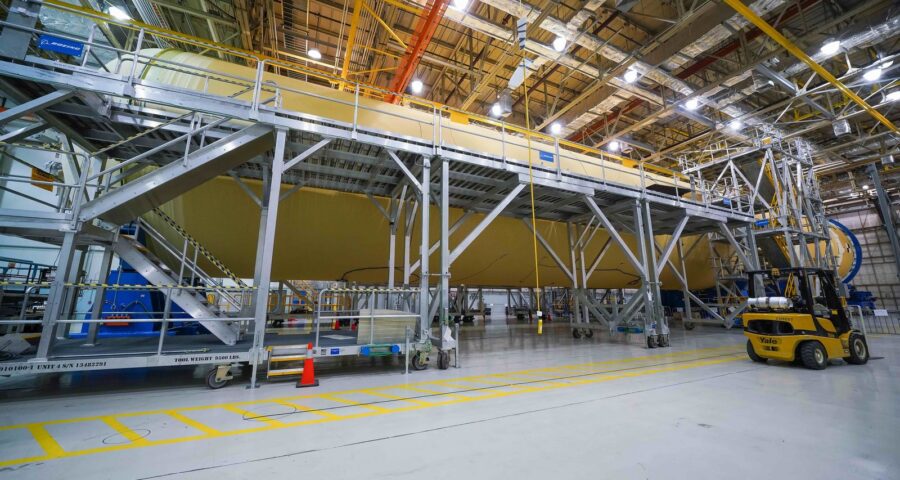
The last Saturn V has been built. The production line is shutting down. There will be no more Saturn V rockets after the ones already in the inventory.
Read the full entry
Technology
January 5, 1972
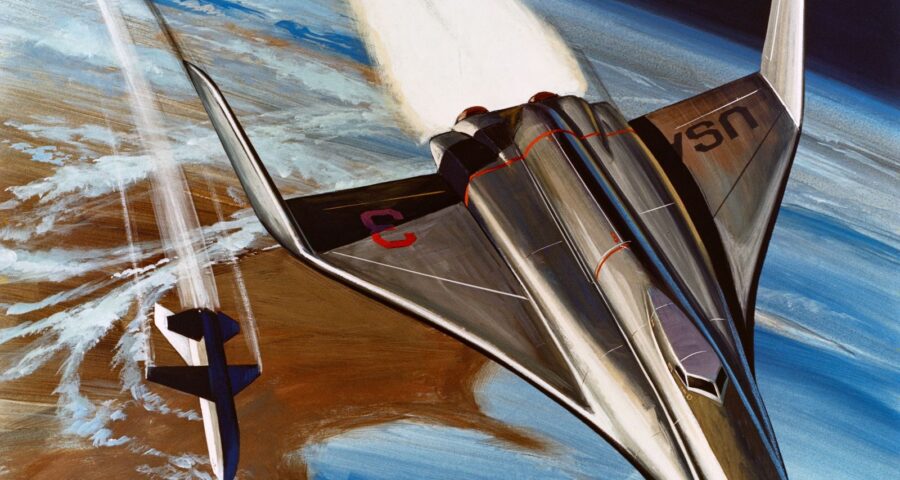
Nixon announced today that NASA will develop the Space Transportation System — the Space Shuttle. First flight expected in the late 1970s.
Read the full entry
Uncategorized
December 11, 1971
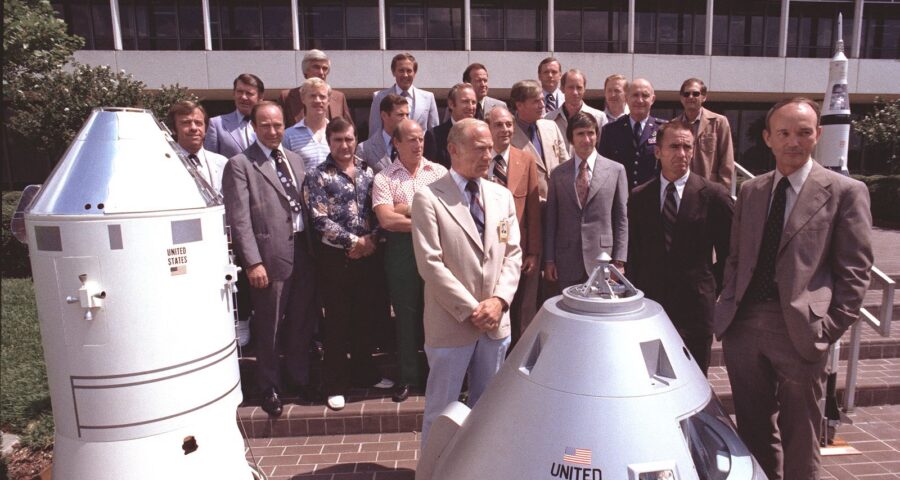
Before Apollo 17 launches, I want to write down all twelve men who have walked on the Moon so far. We may not add to this list for a long time.
Read the full entry
Uncategorized
October 15, 1971
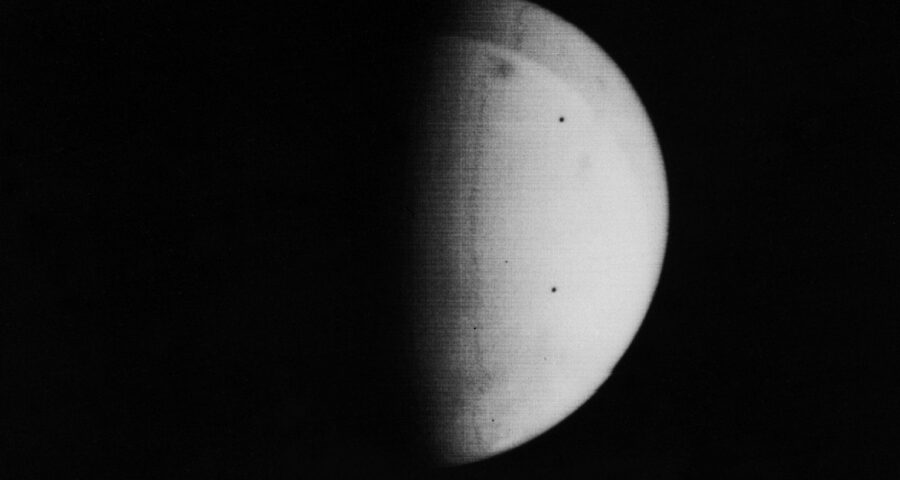
Mariner 9 entered Martian orbit on November 13, 1971 and became the first spacecraft to orbit another planet. When the global dust storm cleared, what it revealed was extraordinary.
Read the full entry
Uncategorized
August 30, 1971
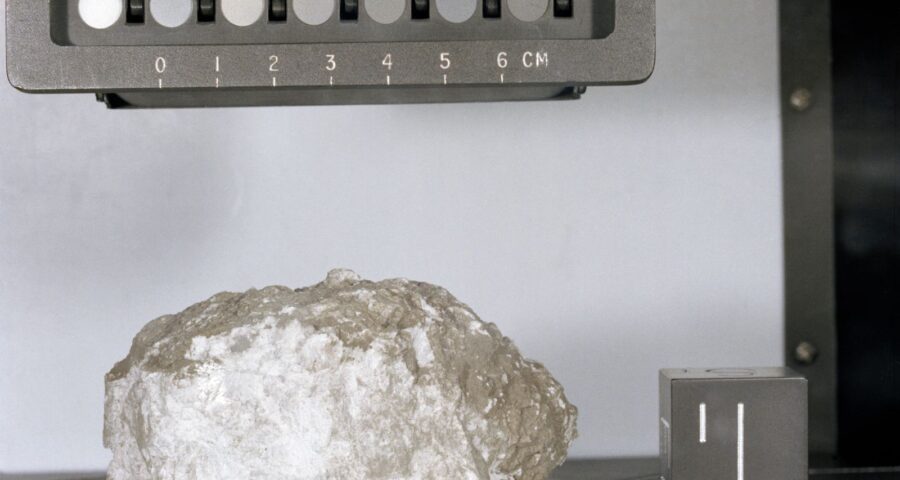
The Genesis Rock from Apollo 15 has been dated: 4.5 billion years old. As old as the Moon itself. This is the oldest rock any human being has ever held.
Read the full entry
Apollo 15
August 7, 1971
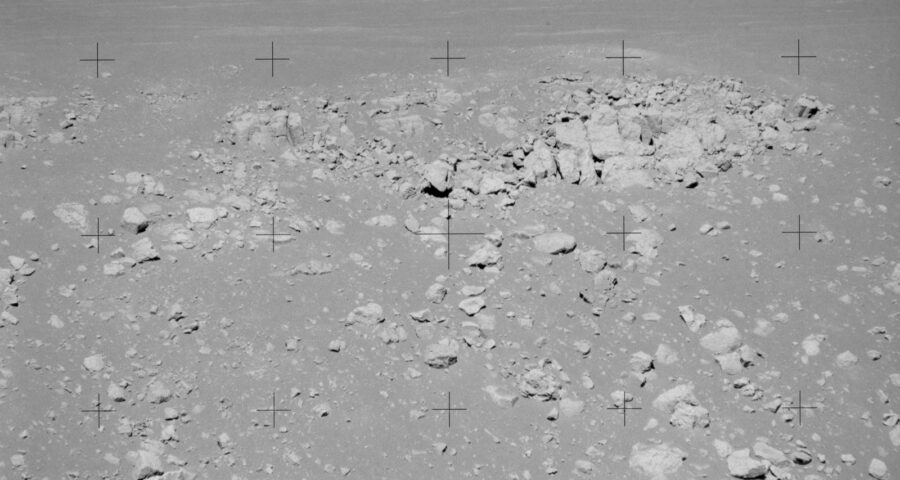
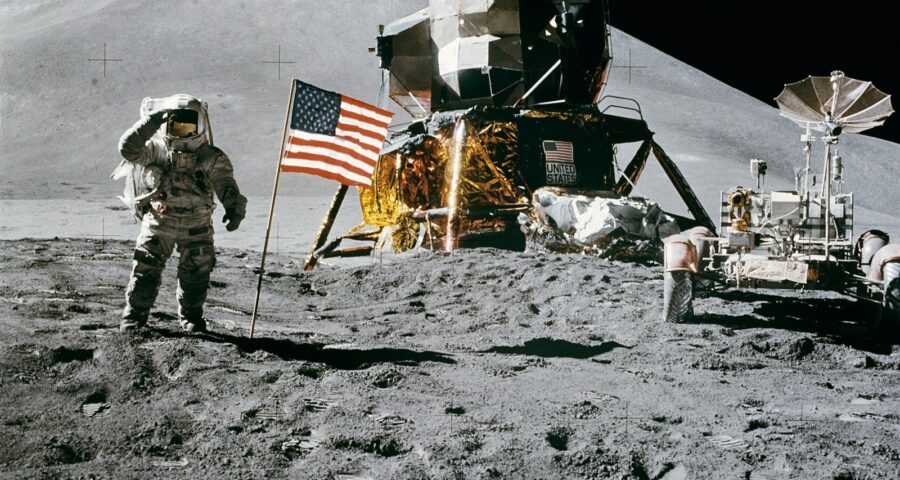
Apollo 15 splashed down today. Nearly eighteen hours of moonwalk time. Three rover traverses. The Genesis Rock. The Feather and Hammer experiment. Al Worden's deep-space EVA. This mission changed the character of Apollo — from "can we do it" to "what can we learn." I am deeply satisfied.
Read the full entry
Apollo 15
August 2, 1971
At the end of the final moonwalk, Dave Scott held a geological hammer and a falcon feather — the mascot of the Air Force Academy, where Scott studied — and dropped them together. In the vacuum of the Moon, they hit the surface simultaneously. Galileo was right. I watched on…
Read the full entry
Apollo 15
August 1, 1971
Dave Scott and Jim Irwin may have found the most important rock ever collected — an anorthosite fragment they're calling the Genesis Rock, estimated to be 4 billion years old. It's a piece of the original lunar crust, from when the Moon was still forming. I've been a space program…
Read the full entry