Apollo 15 splashed down in the Pacific today. David Scott, Alfred Worden, and James Irwin are home safely. The mission lasted 12 days from launch to splashdown.
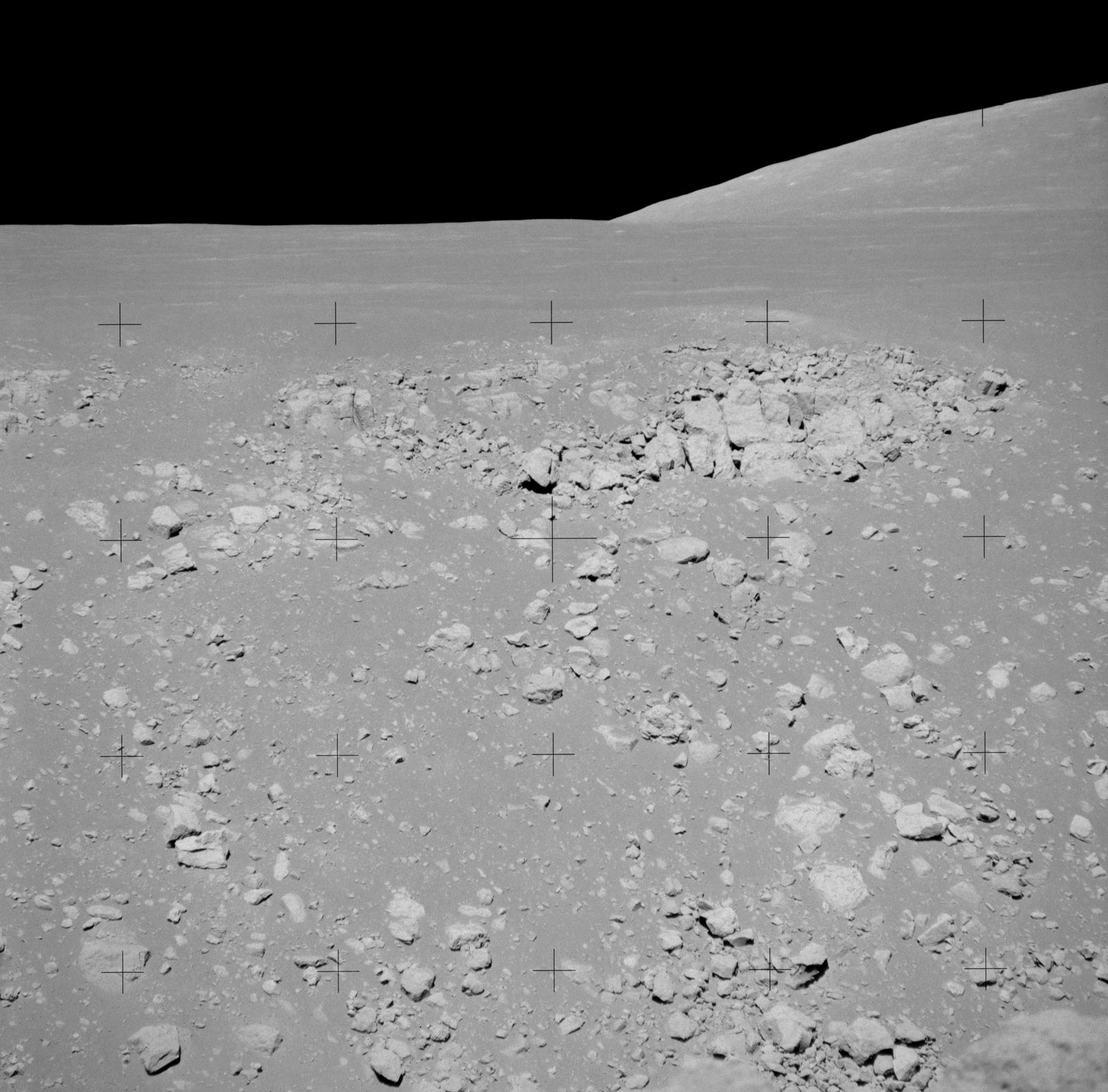
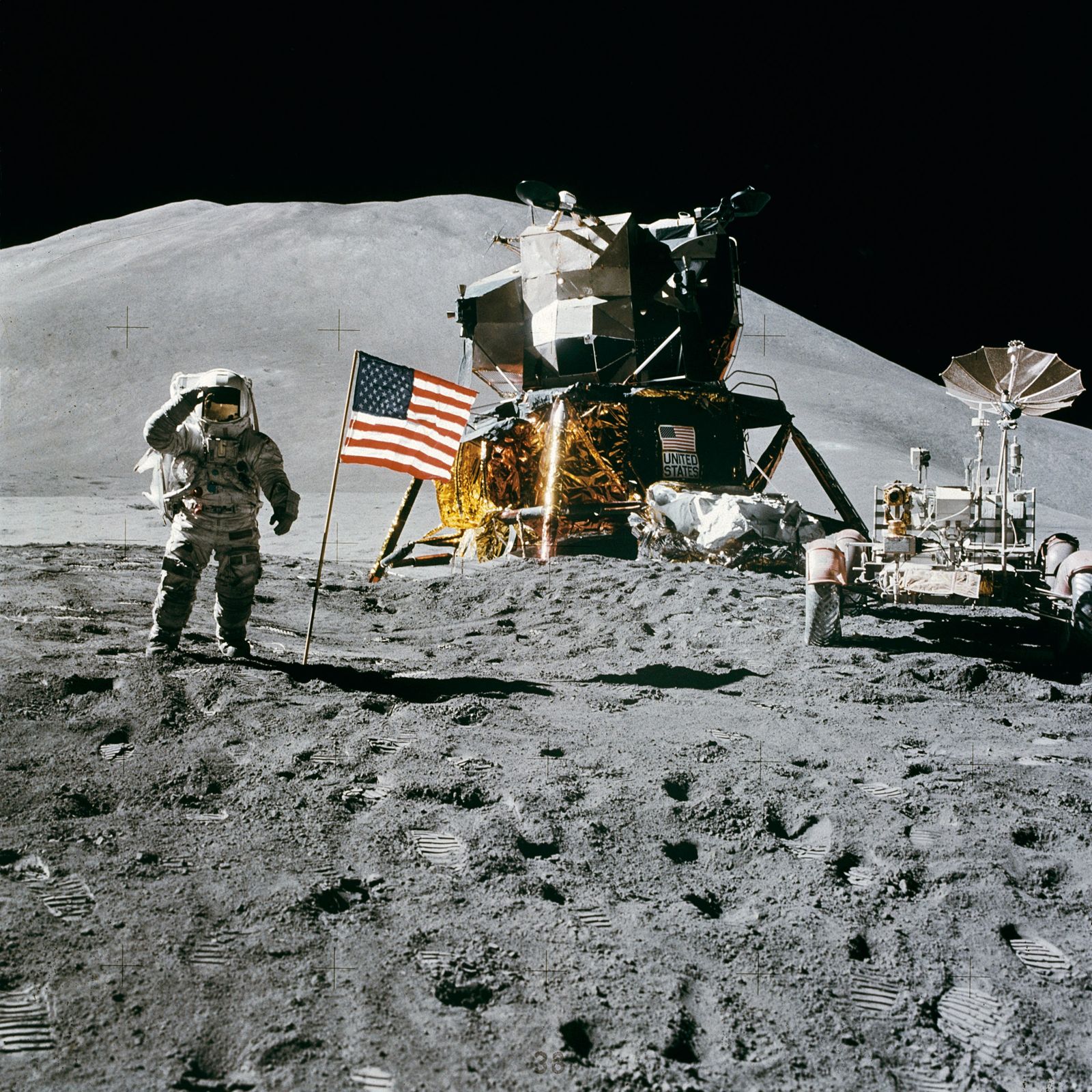
Let me try to say what this mission accomplished, because I think the press accounts don’t quite capture the scale of it.
Scott and Irwin spent 18 hours and 37 minutes on the lunar surface, across three EVAs. For comparison, Apollo 11 spent 2 hours 31 minutes outside. Apollo 12 was 7 hours 45 minutes. Apollo 14 was 9 hours 22 minutes. Apollo 15 was nearly twice all previous missions combined. They covered about 27 kilometers on the Rover across three drives. They collected 77 kilograms — 170 pounds — of samples. Every one of those samples will be studied, catalogued, analyzed.
The Genesis Rock alone — if its age confirms the estimate of 4.5 billion years — is among the most scientifically significant objects ever brought to Earth. A piece of the original lunar crust. A window into the first billion years of the Earth-Moon system. Data that cannot be obtained any other way.
Alfred Worden, orbiting alone in Endeavour for the three days Scott and Irwin were on the surface, operated the Scientific Instrument Module — a bay of instruments in the Service Module that photographed and mapped the lunar surface from orbit. He also, during the transearth coast, performed a spacewalk to retrieve the film cassettes from the SIM bay. A deep-space EVA, 196,000 miles from Earth. The most remote spacewalk ever conducted. Worden was outside the spacecraft in the gap between Earth and Moon, tethered, retrieving film.
This mission has a different quality than the earlier ones. Not better or worse — different. Apollo 11 was “did we do it.” Apollo 13 was “can we survive.” Apollo 15 is “what does the Moon mean, scientifically, and how do we find out.” The program has grown up. The science is the point now. The astronauts are geologists with spacecraft instead of field vehicles. The Moon is their research site.
I’ve been following this for ten years. I started as a layperson who just wanted to see if it was possible. Somewhere along the way I became someone who actually cares about the difference between anorthosite and basalt, who read about the ALSEP experiments and the seismic data and the laser ranging retroreflector. The program taught me things. I’m a better-informed person for having paid close attention to it.
Two more missions: Apollo 16 and Apollo 17. Then the program ends, at least for now. I’m already starting to feel the shape of the goodbye.