John Young and Charlie Duke landed in the Descartes Highlands yesterday. Ken Mattingly orbits in the command module.
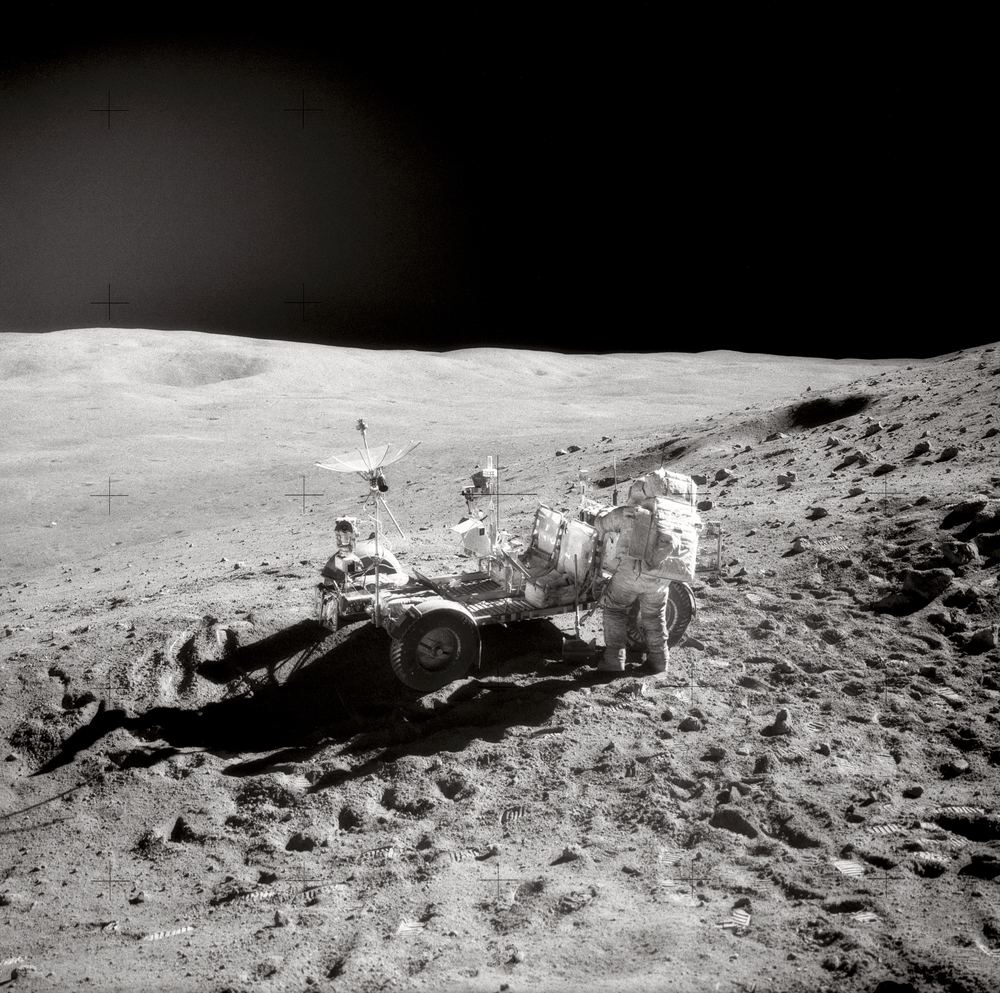
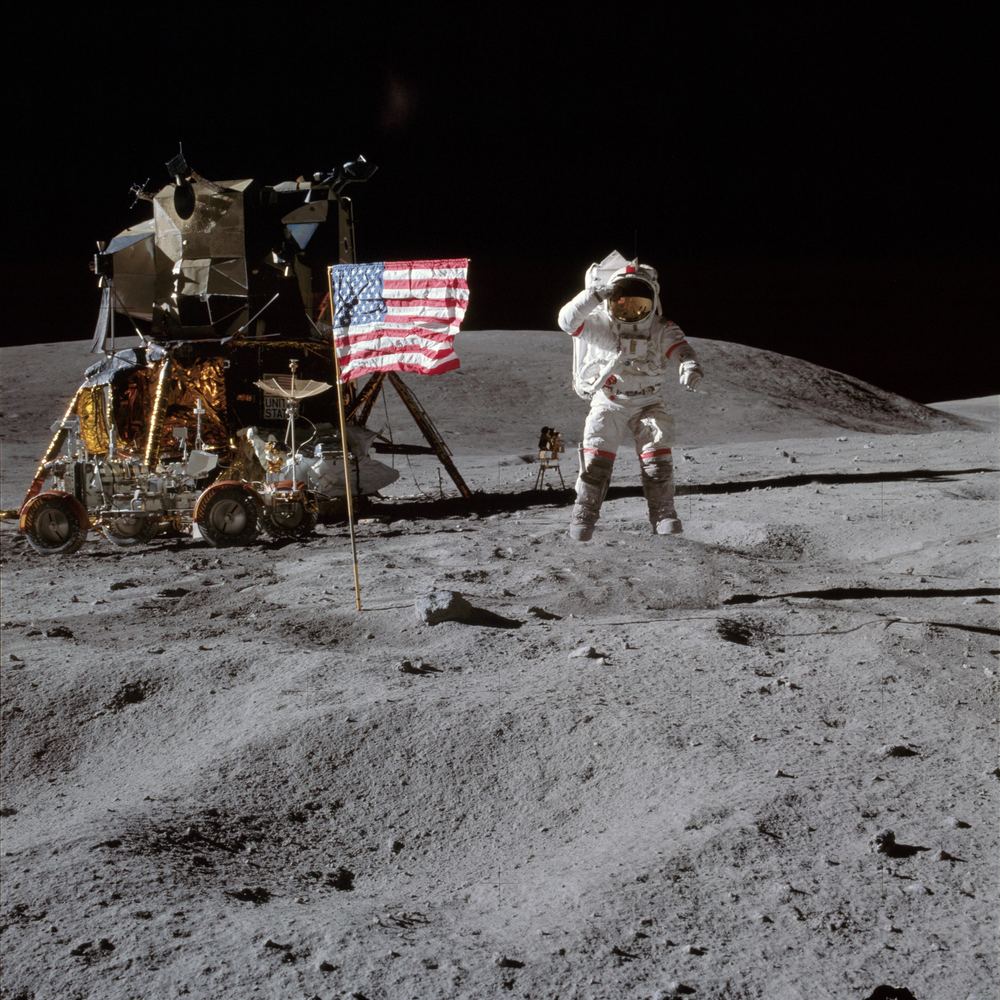
I need to say something about John Young. John Young is the least famous of the great astronauts. He flew Gemini 3, Gemini 10, Apollo 10, Apollo 16, and will eventually fly the first Space Shuttle. He’s walked on the Moon. He’s the only person to fly both the Gemini and Shuttle programs. He is, by any measure, one of the most accomplished pilots and test pilots in American history.
He is also the man who photographed jumping a foot off the lunar surface with both feet and both fists in the air while looking directly at the flag, in what may be the most exuberant photograph from the entire Apollo program. The flag, the suit, the black sky, the dust cloud around his boots, the perfect trajectory. Pure joy, documented at one-sixth gravity.
Young and Duke spent 71 hours on the surface, the longest surface stay of any Apollo mission at that point. Three EVAs. The Descartes site was chosen because the pre-mission geologists believed the highlands terrain might contain volcanic material — different from the mare basalts. More ancient.
The samples came back and contradicted the prediction: Descartes is not volcanic. It’s impact ejecta — material thrown up by one of the major basin impacts. This is actually more valuable in some ways: it tells us about the impacts that shaped the early lunar crust, rather than the later volcanism. But it’s a reminder that our pre-mission models were wrong, and that sending people to pick up the rocks is how you find out.
Young running and jumping on the Descartes Highlands. Eleven men have walked on the Moon now. One more landing to go.
The tenth man will be the last man, for a long time. I think I know who it will be.