Uncategorized
August 30, 1971
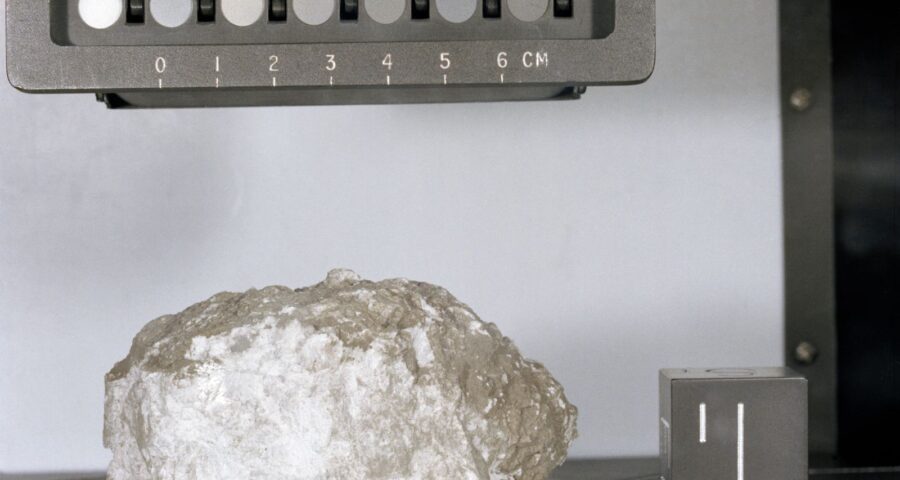
The Genesis Rock from Apollo 15 has been dated: 4.5 billion years old. As old as the Moon itself. This is the oldest rock any human being has ever held.
Read the full entry
Apollo 15
August 7, 1971
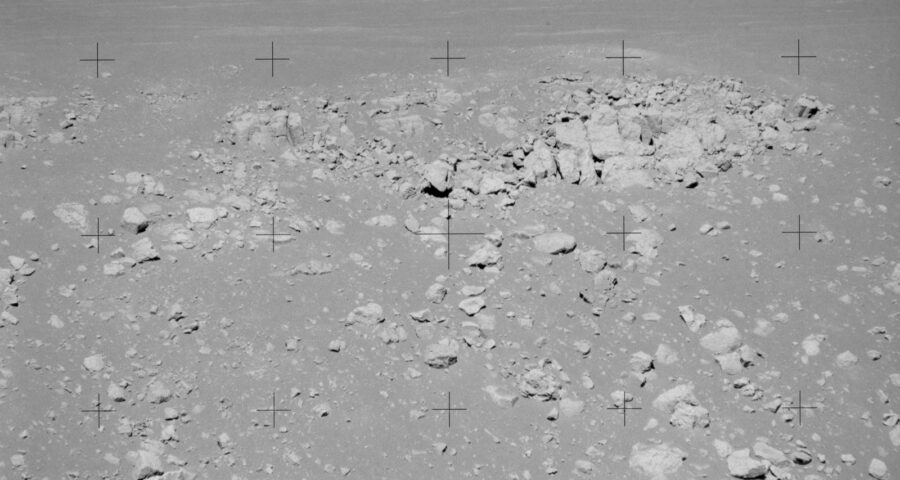
Apollo 15 splashed down today. Nearly eighteen hours of moonwalk time. Three rover traverses. The Genesis Rock. The Feather and Hammer experiment. Al Worden's deep-space EVA. This mission changed the character of Apollo — from "can we do it" to "what can we learn." I am deeply satisfied.
Read the full entry
Apollo 15
August 2, 1971
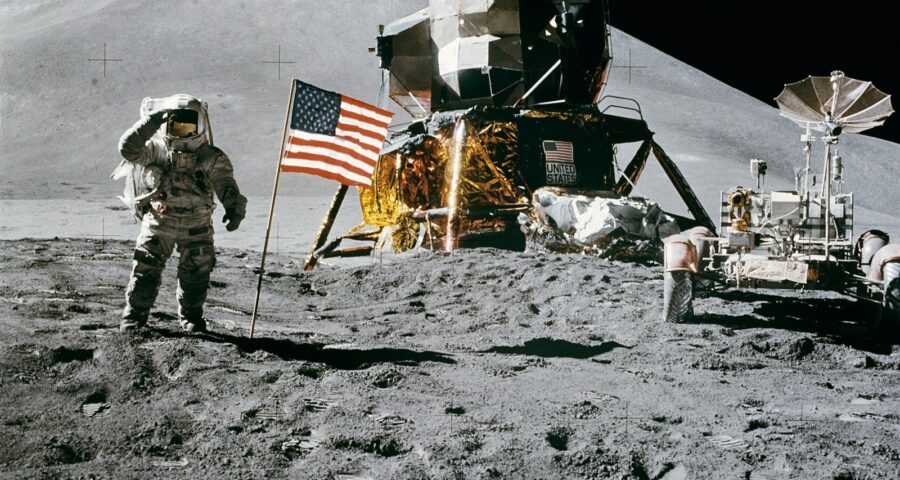
At the end of the final moonwalk, Dave Scott held a geological hammer and a falcon feather — the mascot of the Air Force Academy, where Scott studied — and dropped them together. In the vacuum of the Moon, they hit the surface simultaneously. Galileo was right. I watched on…
Read the full entry
Apollo 15
August 1, 1971
Dave Scott and Jim Irwin may have found the most important rock ever collected — an anorthosite fragment they're calling the Genesis Rock, estimated to be 4 billion years old. It's a piece of the original lunar crust, from when the Moon was still forming. I've been a space program…
Read the full entry
Apollo 15
July 31, 1971
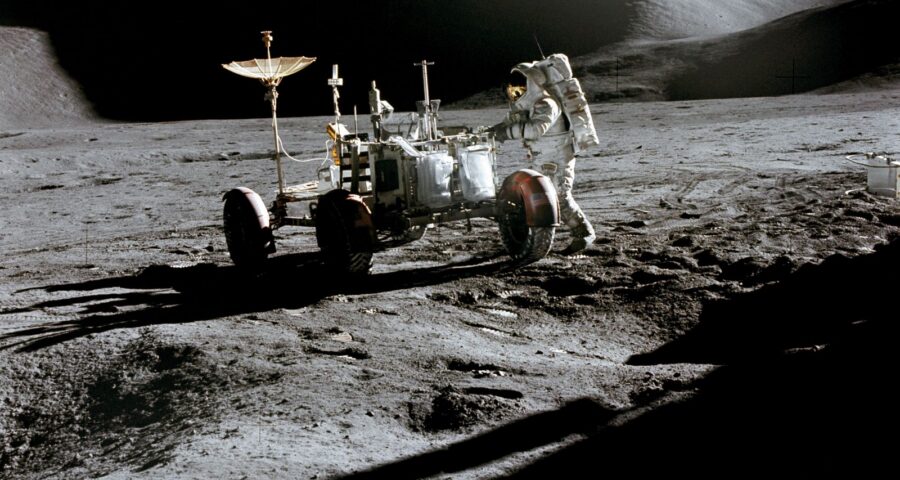
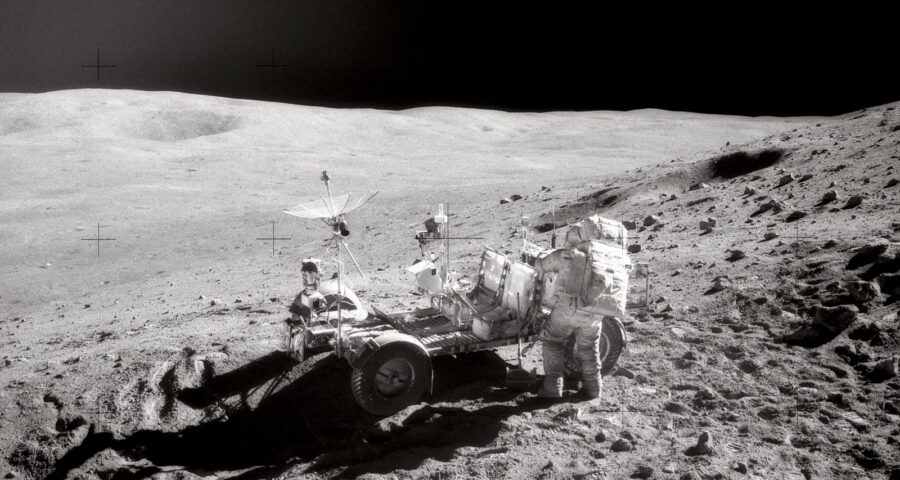
Dave Scott drove the Lunar Rover on the Moon today and the television camera on the rover broadcast it live. I watched the Moon scroll past — the mountains, the craters, the edge of Hadley Rille — from my living room. Scott's voice narrating the drive. I will never get…
Read the full entry
Apollo 15
July 26, 1971
Apollo 15 launched today and Dave Scott is going to drive a car on the Moon. The Lunar Roving Vehicle — four wheels, electric motor, built by Boeing — will be folded in the descent stage and deployed on the surface. I've been looking forward to this mission more than…
Read the full entry
Uncategorized
May 25, 1971
The last three Apollo missions are going to the highlands — the old, heavily cratered terrain that makes up most of the lunar surface. Here's why that matters scientifically.
Read the full entry