Apollo 17 splashed down in the Pacific Ocean today at 2:25 PM Eastern. Gene Cernan, Ron Evans, and Harrison Schmitt are safely aboard the recovery ship. The Apollo program is over.
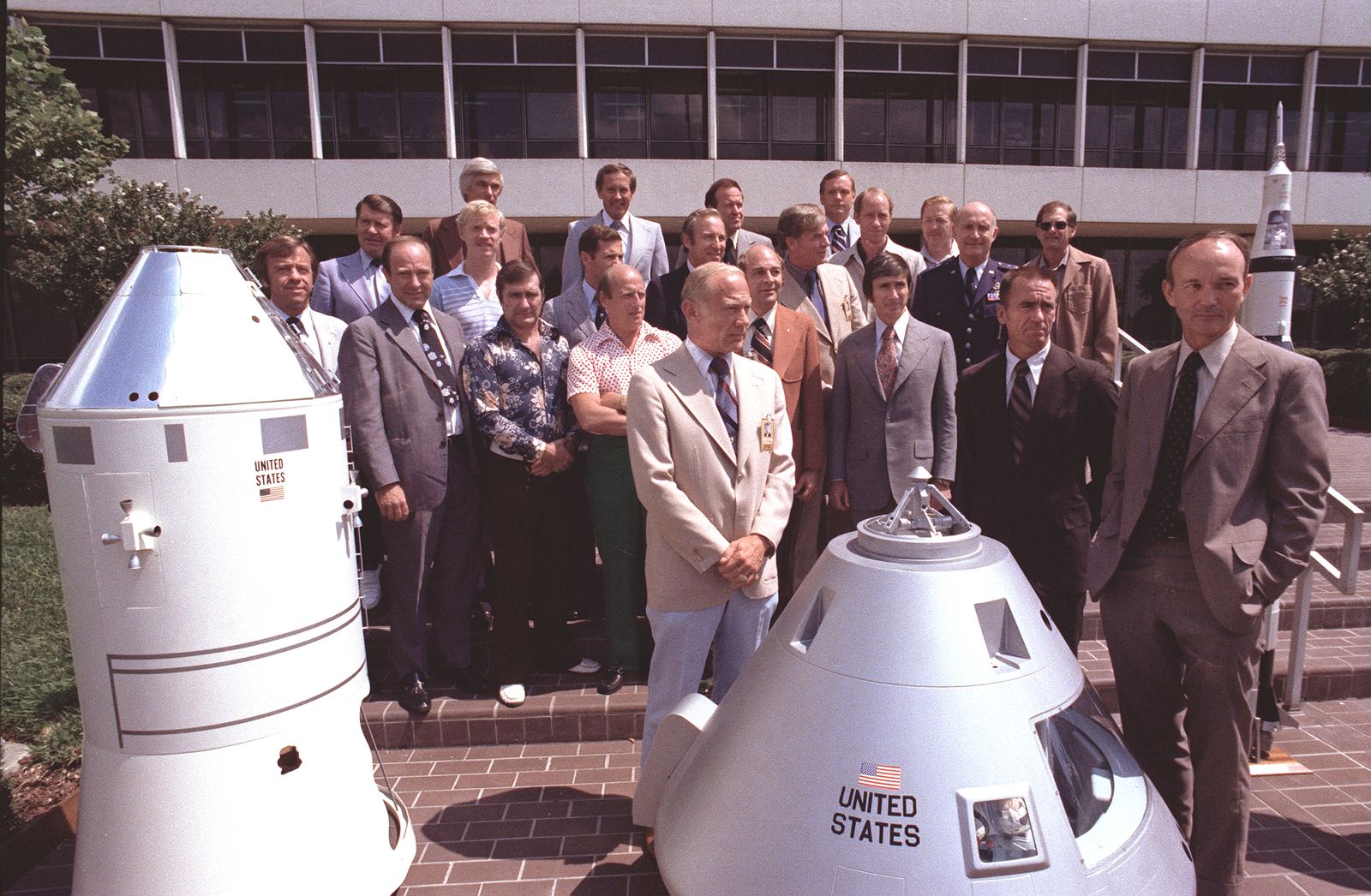

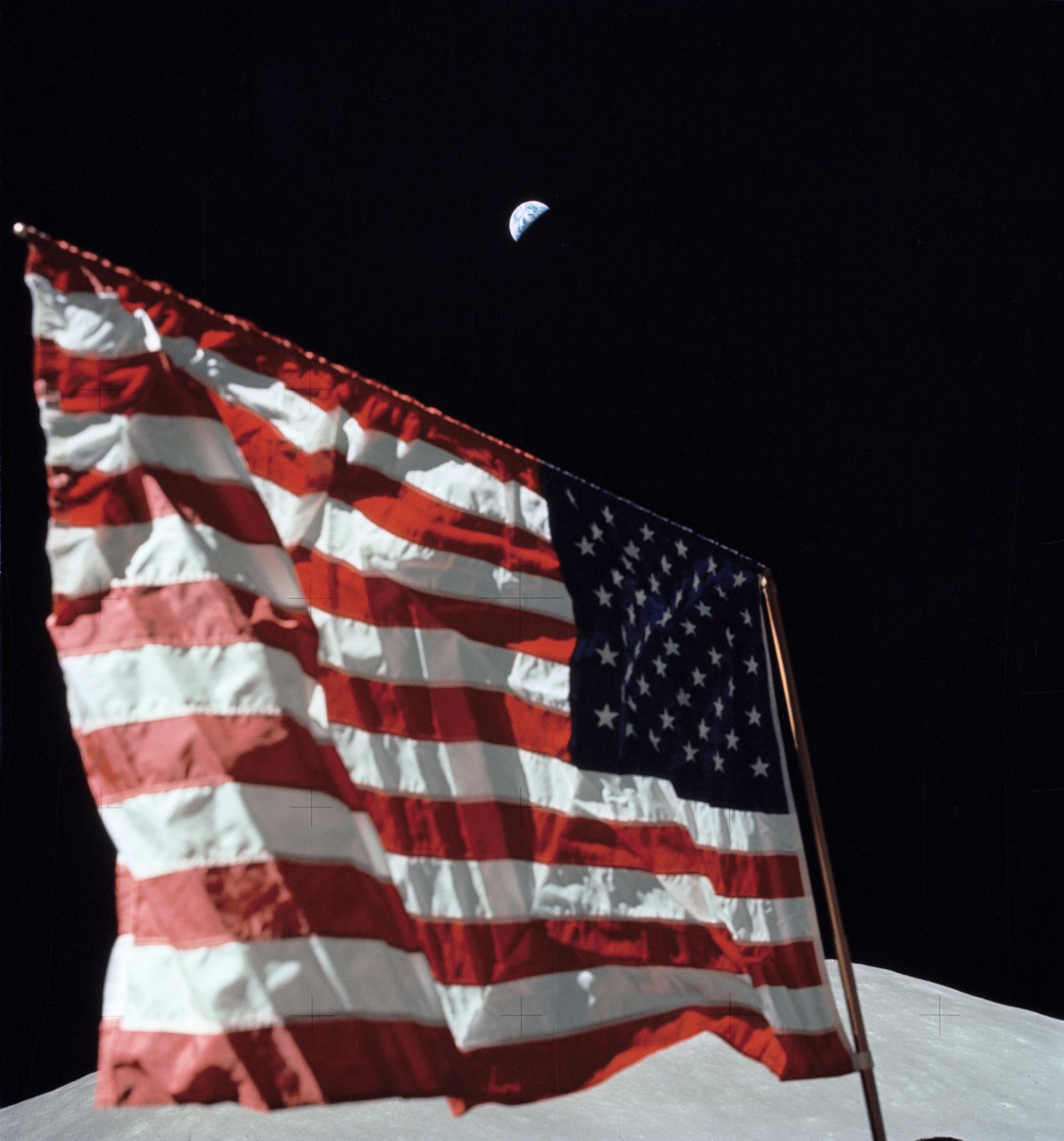
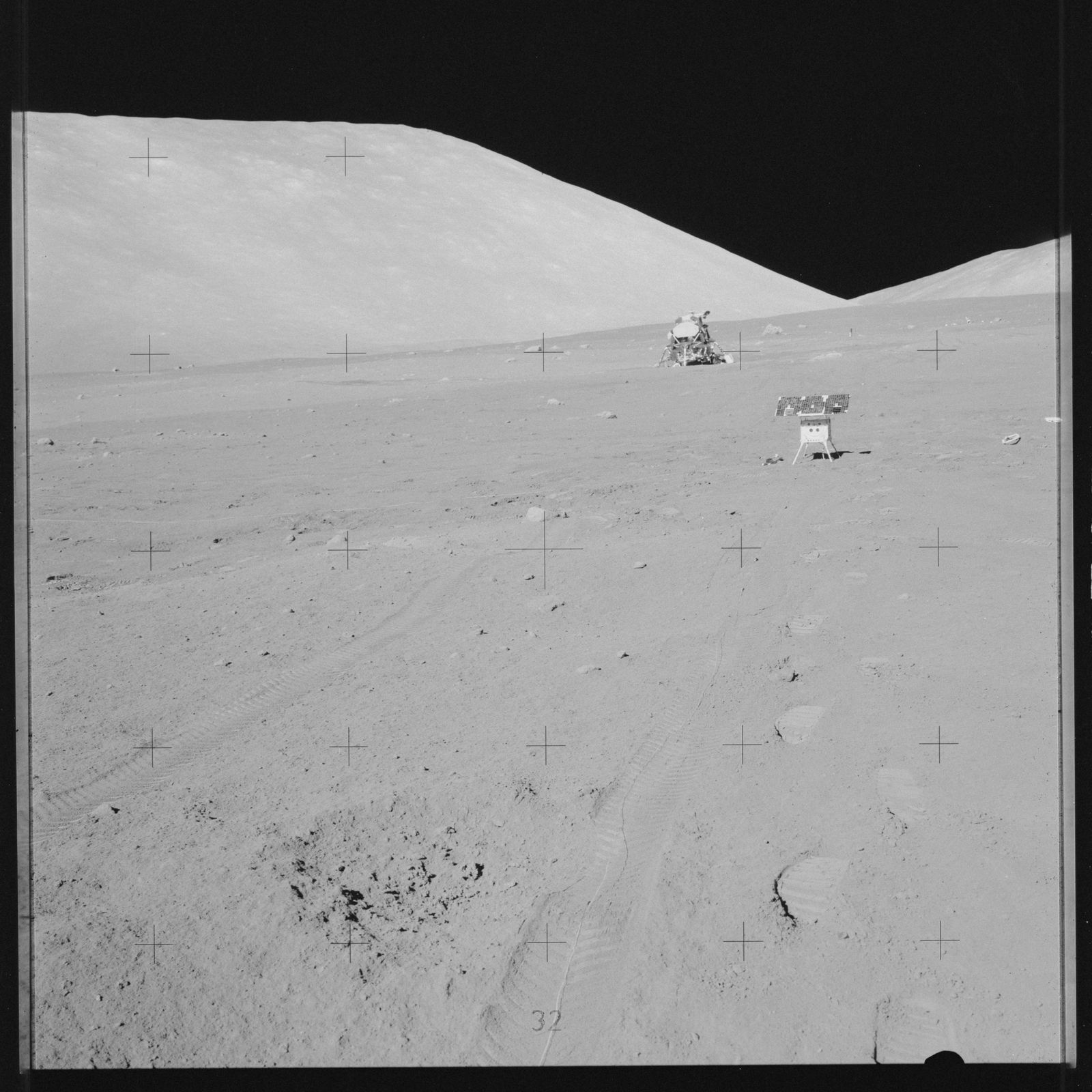
Twelve men walked on the Moon. Here are their names:
Neil A. Armstrong — Apollo 11 — Sea of Tranquility — July 20, 1969. The first. The quiet engineer who said “one small step for man, one giant leap for mankind” — or “for a man,” as he insists — and then went about the business of the mission with characteristic precision. He will be famous for as long as there are people to be famous to.
Buzz Aldrin — Apollo 11 — Sea of Tranquility — July 20, 1969. He described the lunar surface as “magnificent desolation” and I’ve never found a better phrase for it. He walked on the Moon nineteen minutes after Armstrong. Second human being to do that.
Pete Conrad — Apollo 12 — Ocean of Storms — November 19, 1969. “Whoopee.” Who cares that it wasn’t exactly historically weighty? He was exactly himself in the most extraordinary moment of his life. That’s an achievement.
Alan Bean — Apollo 12 — Ocean of Storms — November 19, 1969. The artist. He became a painter after his astronaut career ended, his subject exclusively the space program he was part of. He put Moon dust in the texture of his paintings. He will be the only person who has walked on the Moon and then painted it from memory.
Alan Shepard — Apollo 14 — Fra Mauro — February 5, 1971. The first American in space, finally on the Moon. “It’s been a long way, but we’re here.” He hit golf balls. He was forty-seven years old. He earned every second of it.
Edgar Mitchell — Apollo 14 — Fra Mauro — February 5, 1971. He reported having a profound spiritual experience on the way home, looking at the stars and feeling a sense of connectedness he couldn’t explain. He spent the rest of his life exploring the science of consciousness. The Moon apparently does things to you.
Dave Scott — Apollo 15 — Hadley-Apennine — July 31, 1971. He dropped a feather and a hammer. He found the Genesis Rock. He drove the first Lunar Rover. He gave the program something like dignity and scientific seriousness.
Jim Irwin — Apollo 15 — Hadley-Apennine — July 31, 1971. He said God was with him on the Moon. He founded a religious ministry after his flight. He died in 1991, the first moonwalker to die, and the Moon was still up there when it happened.
John Young — Apollo 16 — Descartes Highlands — April 21, 1972. Four missions over eight years. The consummate professional. He jumped for joy on the lunar surface. Of course he did. He’s John Young.
Charles Duke — Apollo 16 — Descartes Highlands — April 21, 1972. The youngest person to walk on the Moon, at thirty-six. He was the CapCom voice saying “60 seconds” during Apollo 11’s landing. He waited three years to land there himself.
Gene Cernan — Apollo 17 — Taurus-Littrow — December 11, 1972. He went around the Moon in Apollo 10 at eight miles up and didn’t land. He came back and landed. He left last. He said what I think will be remembered as long as the program is remembered: “We leave as we came and, God willing, as we shall return.”
Harrison Schmitt — Apollo 17 — Taurus-Littrow — December 11, 1972. The geologist. The scientist. He found orange soil at Shorty Crater. The Moon had one last surprise for him and he found it. He was the last person to climb the ladder. He was the last person to stand on the Moon.
Twelve men. The Moon. 1969 to 1972.
I don’t know what else to say. I’ve been watching this since Gagarin in 1961. Eleven years of my life. I’ll need some time to understand what it all meant.
But the twelve names: I know them all. I always will.