January 1st, 1973. A new year. The Apollo program is two weeks in the past. I’m trying to figure out what comes next.

Skylab is coming. The last Saturn V to fly — not to the Moon but to orbit — will launch a space station in 1973. Three crews will live aboard it, staying for weeks and then months at a time. Skylab will study the Sun, study the Earth, study what prolonged weightlessness does to the human body. After the Moon landings it feels like a step backward, geographically — it’s just Earth orbit. But scientifically it’s something new. Long-duration space living. We don’t really know yet what months in space does to a person.
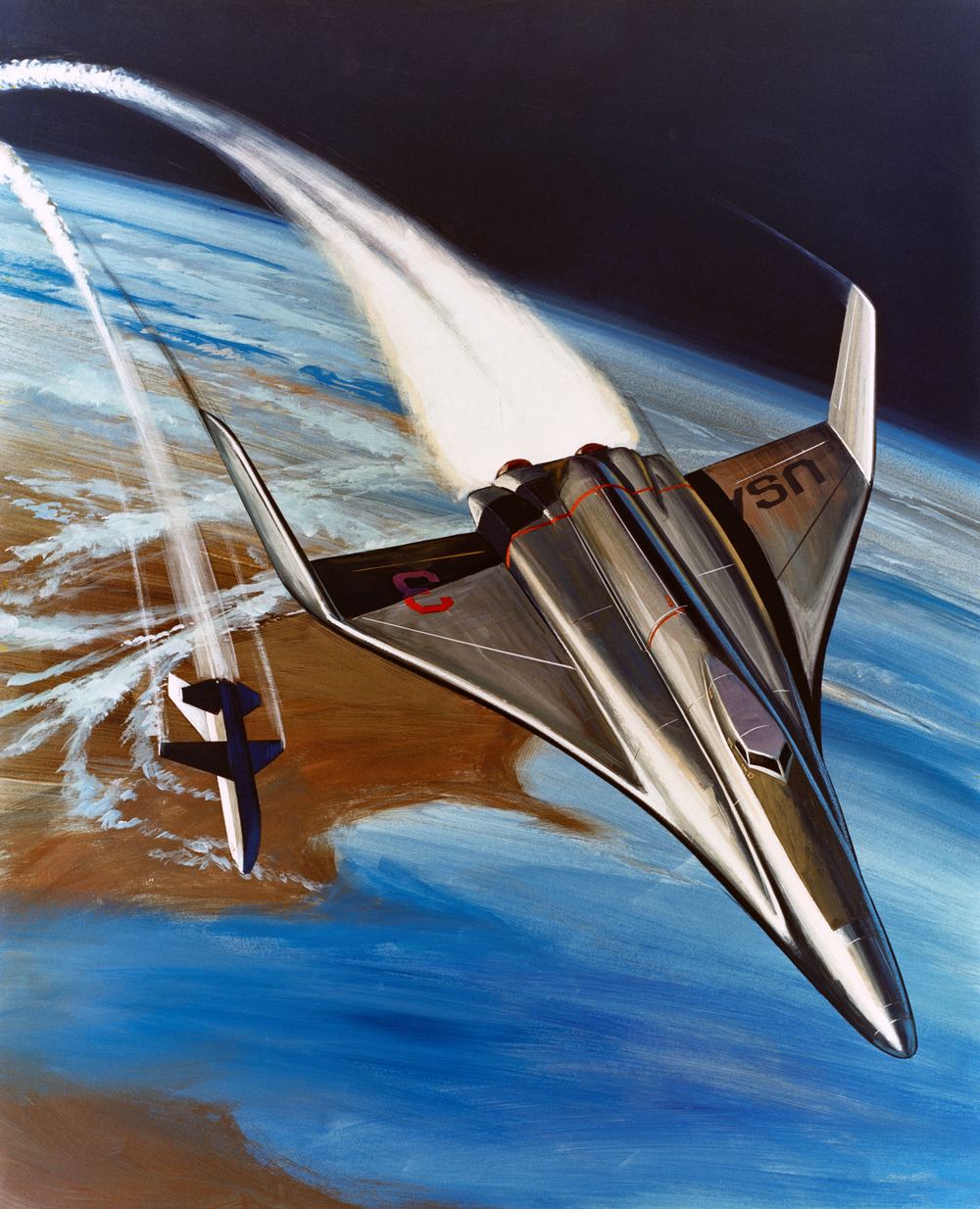
The Space Shuttle is being designed. A reusable spacecraft — you fly it, bring it back, refurbish it, fly it again. Instead of throwing away a Saturn V every time (and the Saturn V cost, I’ve read, around $185 million per launch), you reuse the orbiter. More flights at lower cost. More access to space. The first flights could be as early as 1978, they say.
And then what? I’ve been reading the speculative articles and the technical reports and the statements from various NASA officials, and here is what the optimistic picture looks like: a permanent space station in orbit by the late 1970s. A return to the Moon by 1985, perhaps with a permanent base. A crewed Mars mission by the 1990s.
I suspect I’m going to look back at this paragraph in twenty years and find it embarrassingly optimistic. The money will not be there, not in those quantities. The political will fluctuates. The pace of the 1960s was not natural — it was artificially accelerated by a presidential commitment backed by Cold War urgency, and that combination doesn’t last forever.
But I also know this: the capability exists. We know how to go to the Moon. We know the math, the engineering, the medicine, the navigation. We can do it again. And someday — I believe this genuinely — someone will go to Mars. Not in the 1990s, probably. But someday. Because we went to the Moon, and the people who watched us go will build the ships that go further.
My daughter is twenty-two now. She’s studying engineering. She grew up with the space program. She was twelve when Armstrong landed. She was twenty when Cernan left. Whatever she does in her career, she will have grown up in a world where going to another world is something humans do. That changes things. Not immediately, not dramatically, but over time.
I don’t know what 1973 holds. I don’t know what 1985 holds. I know that Cernan said we’ll be back, and I believe him, even if I’m not sure when.
Happy New Year. We’re still a species that went to the Moon. Nothing takes that back.