It’s the between time.
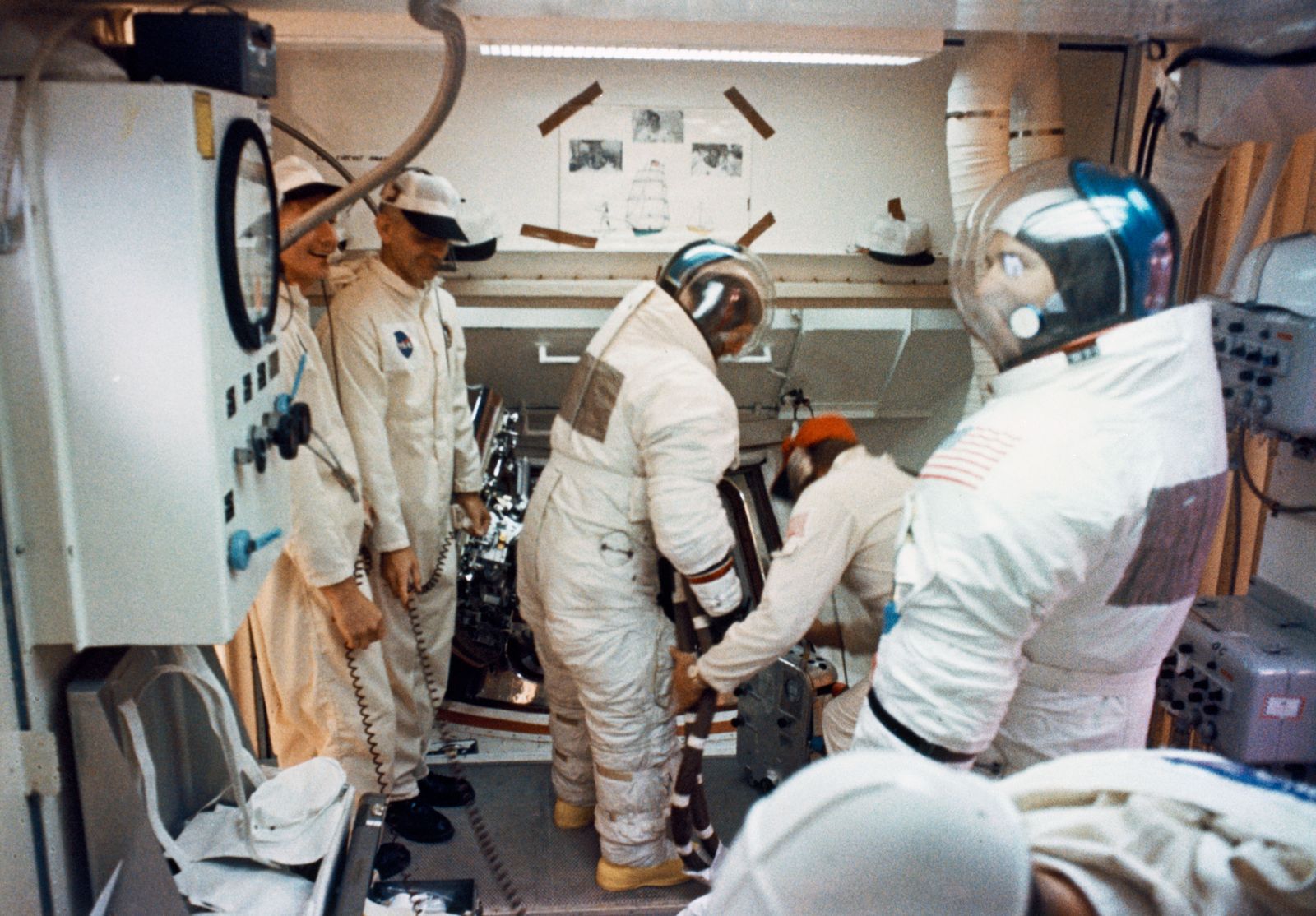
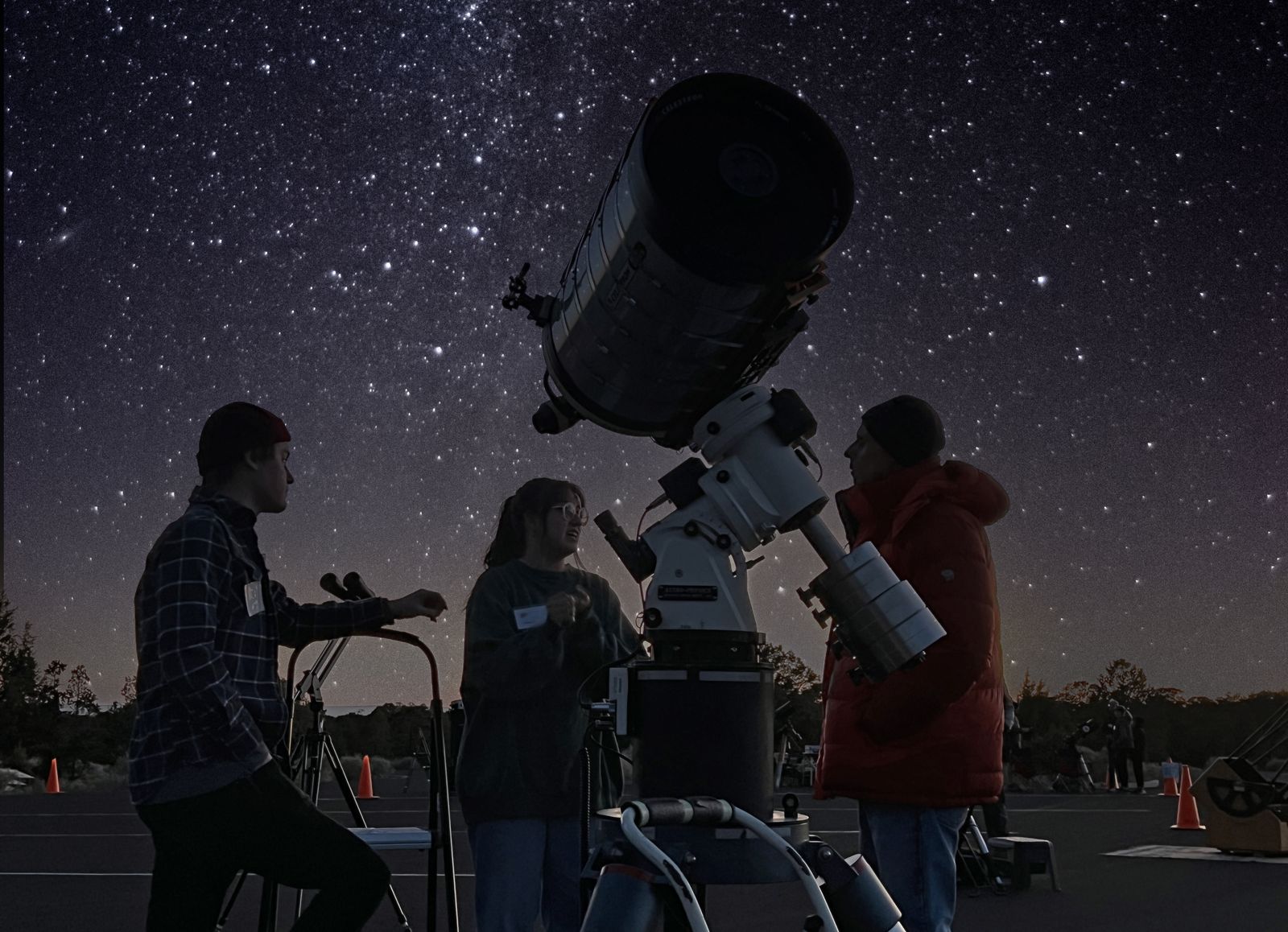
Apollo 13 came home in April after not landing — the crew is safe, the program survived, the engineering failure was diagnosed. Apollo 14 is scheduled for January 31 — about ten days from now as I write this. Between these two events, there’s been the investigation, the hardware review, the oxygen tank redesign, the adjustment to service module procedures.
And there’s been ordinary life.
I’ve been doing what I always do between missions: reading. The geology papers from Apollo 11 and 12 are in the public literature now and I’ve been working through the summaries. I’ve been reading about the Fra Mauro formation, which is where Shepard and Mitchell are going — impact ejecta from the Imbrium basin, the huge impact that happened about 3.9 billion years ago and sent debris across much of the Moon’s nearside. If they bring back Fra Mauro samples, we can date the Imbrium event precisely.
Betty started a new job — part-time at the library, which she’s been talking about for years. She started in October and she’s happy. She brings home books, which we’ve always had around the house but more systematically now. Last week she brought home a book about celestial navigation — the kind used by sailors. I asked why. She said she thought she should understand what they were doing when they navigate to the Moon.
I was touched by this. She’s been listening to me talk about this program for thirteen years and she finally got curious enough to start studying it herself. We spent Sunday afternoon going through the book together, working out the principle of using a sextant to determine latitude.
Fourteen years from Sputnik to Apollo 14. Betty’s been tolerating my obsession for fourteen years and now she’s reading about celestial navigation.
That’s something.