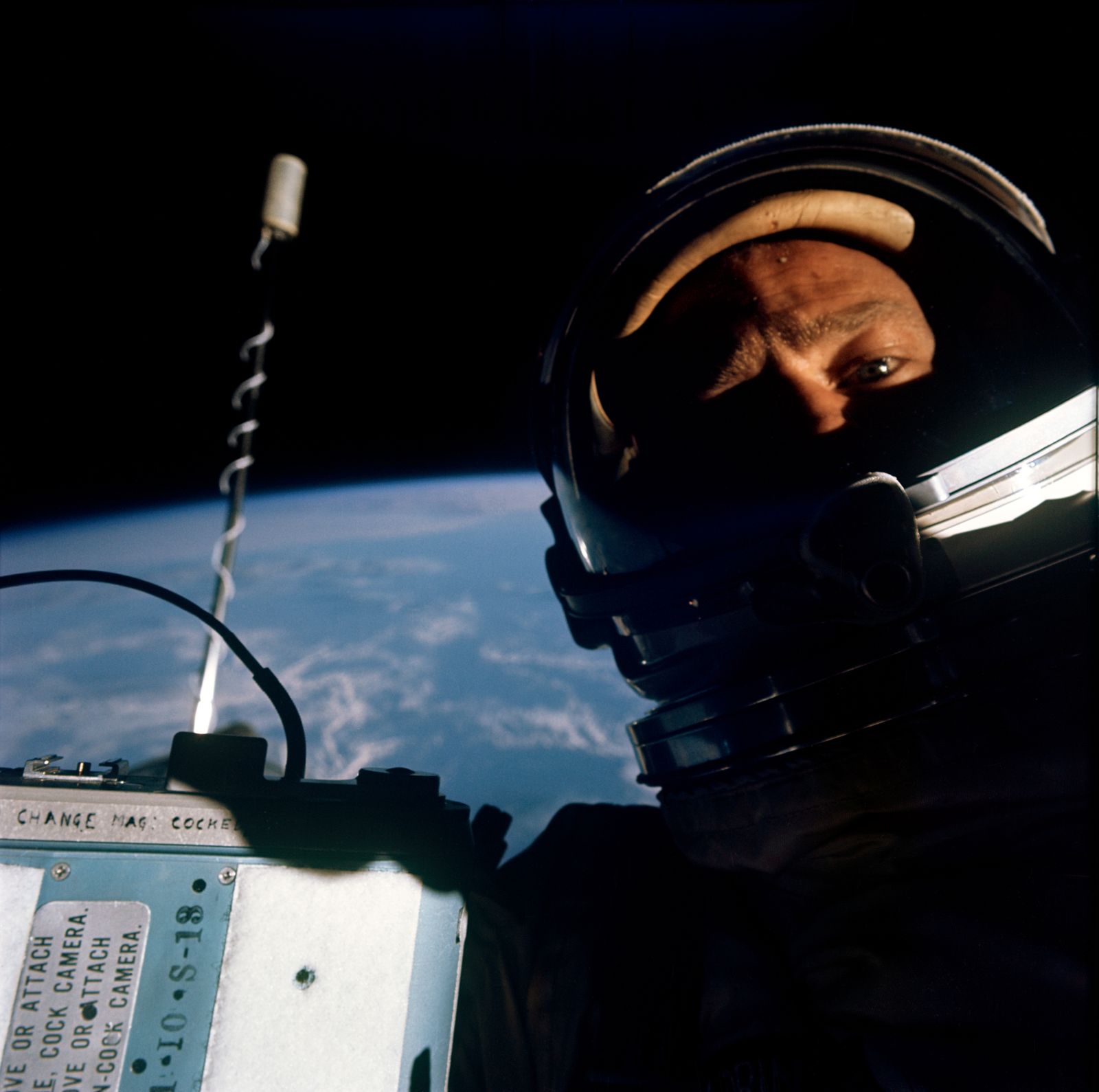
Yesterday afternoon, Gemini 12 splashed down in the Atlantic Ocean with Jim Lovell and Buzz Aldrin aboard. Lovell has now flown twice. Aldrin, on his first spaceflight, spent more time outside a spacecraft — five and a half hours total across three EVAs — than any American before him, and he did it without the exhaustion problems that plagued earlier spacewalkers. He found the secret: handholds, restraints, and not fighting the physics of weightlessness. Work with it, not against it.
The Gemini program is over.
Ten missions. Gemini 3 through Gemini 12, from March 1965 through November 1966. I watched all of them. Every launch, every recovery. I sat by the radio during the rendezvous missions trying to visualize what it was like to thread one spacecraft to within a foot of another, 185 miles up. I watched Ed White’s spacewalk on television. I held my breath during the Gemini 8 emergency. I stayed up late to hear that Borman and Lovell had made it two weeks in space without their bodies failing.
Let me list what we know how to do now that we didn’t know before Gemini started:
We know that humans can survive in space for up to two weeks. We know that the cardiovascular and muscular systems, while they deteriorate in weightlessness, don’t deteriorate enough in that timeframe to prevent the Moon missions from proceeding. The Moon trip is eight days each way, roughly. We can do it.
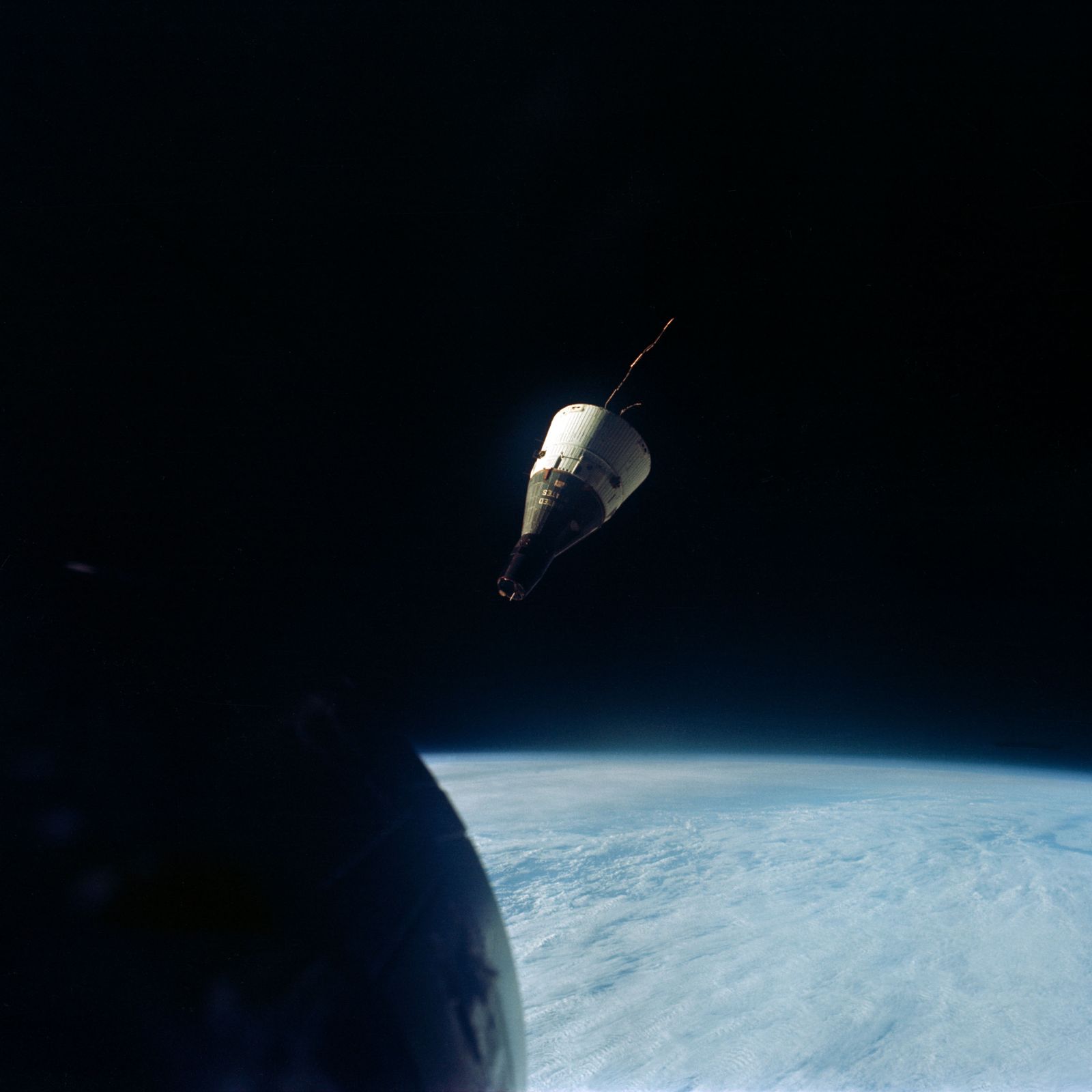
We know how to rendezvous in orbit. We know how to find one spacecraft with another in the darkness of space using radar and computers and orbital mechanics. We’ve done it over and over, in different configurations, from different directions, at different relative speeds.
We know how to dock — how to physically join two spacecraft together so that crews and equipment can transfer between them. This is essential for the Moon mission: the lunar module has to dock with the command module in orbit around the Moon before anyone can come home.
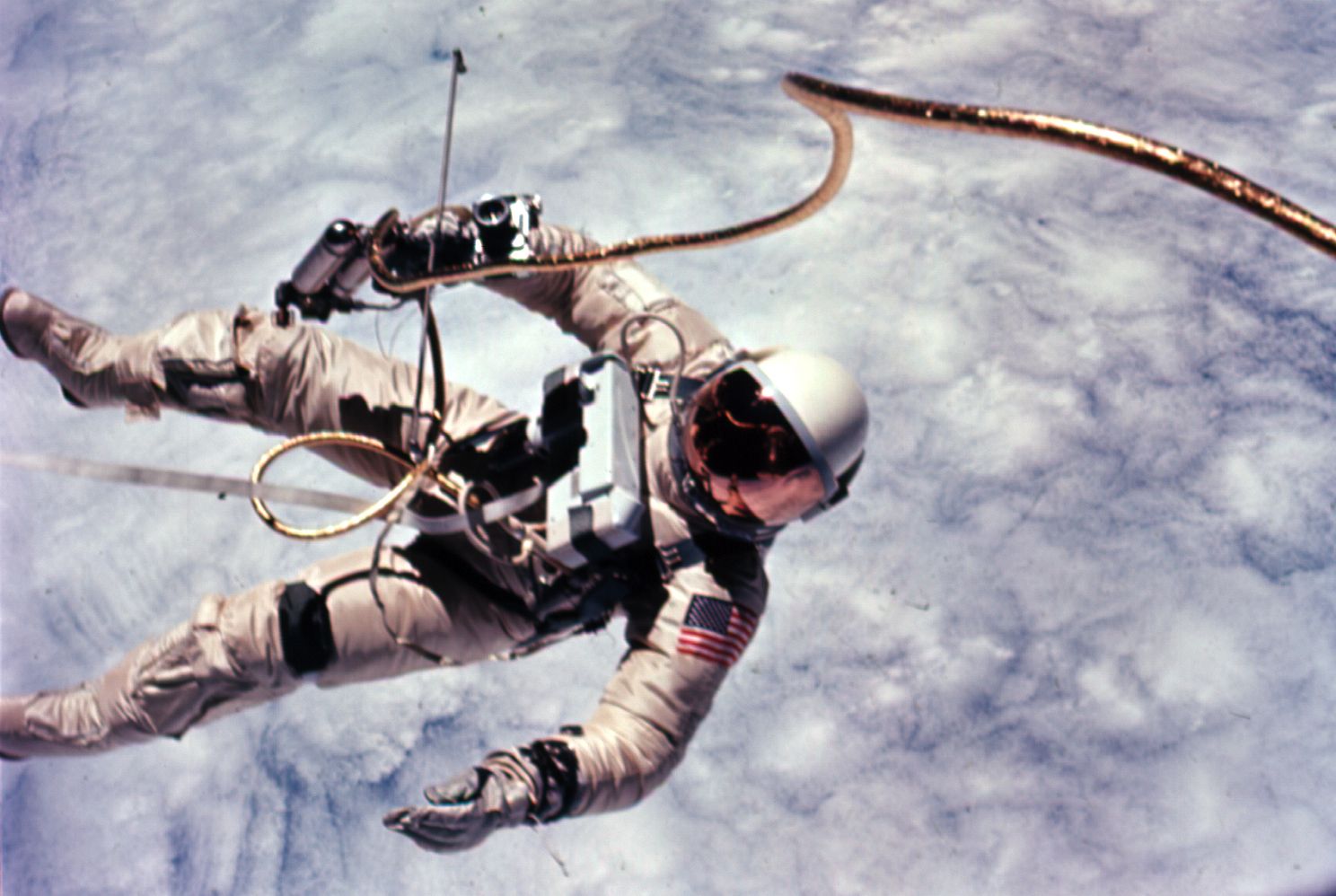
We know that humans can work outside their spacecraft. After the difficulties of the earlier EVAs — Gene Cernan on Gemini 9 reported nearly losing consciousness from overheating — Aldrin figured out the solution: plan the tasks carefully, work slowly, attach yourself to the spacecraft with foot restraints so you don’t have to fight to stay in place. EVA is possible. It can be done safely.
What does all of this add up to? It adds up to: we can probably go to the Moon. Not that we’ve figured everything out — the Apollo spacecraft is still being built, the Saturn V rocket has never flown, and a thousand problems remain unsolved. But the fundamental skills, the ones that Gemini was designed to demonstrate, have been demonstrated.
Apollo is next. The first crewed Apollo flight could be as early as next year. The lunar landing could be 1968, maybe 1969. Kennedy’s deadline — before the decade is out, he said — is still achievable. It looked impossible for a while. It looks less impossible now.
I folded up the newspaper with the Gemini 12 splashdown story and added it to the folder. The folder is getting thick. I have clippings from every Gemini mission, plus Mercury, plus the early program announcements, plus Kennedy’s speeches. It’s starting to look like research.
Maybe it is. Maybe someday I’ll look back through all of this and be able to tell someone: I was paying attention. I watched it happen. I knew what it meant at the time.
There’s a Moon up there. And for the first time in my life, I think we’re going to stand on it.