The Soviets did it again. Put someone in space before we could. This time it was a woman.
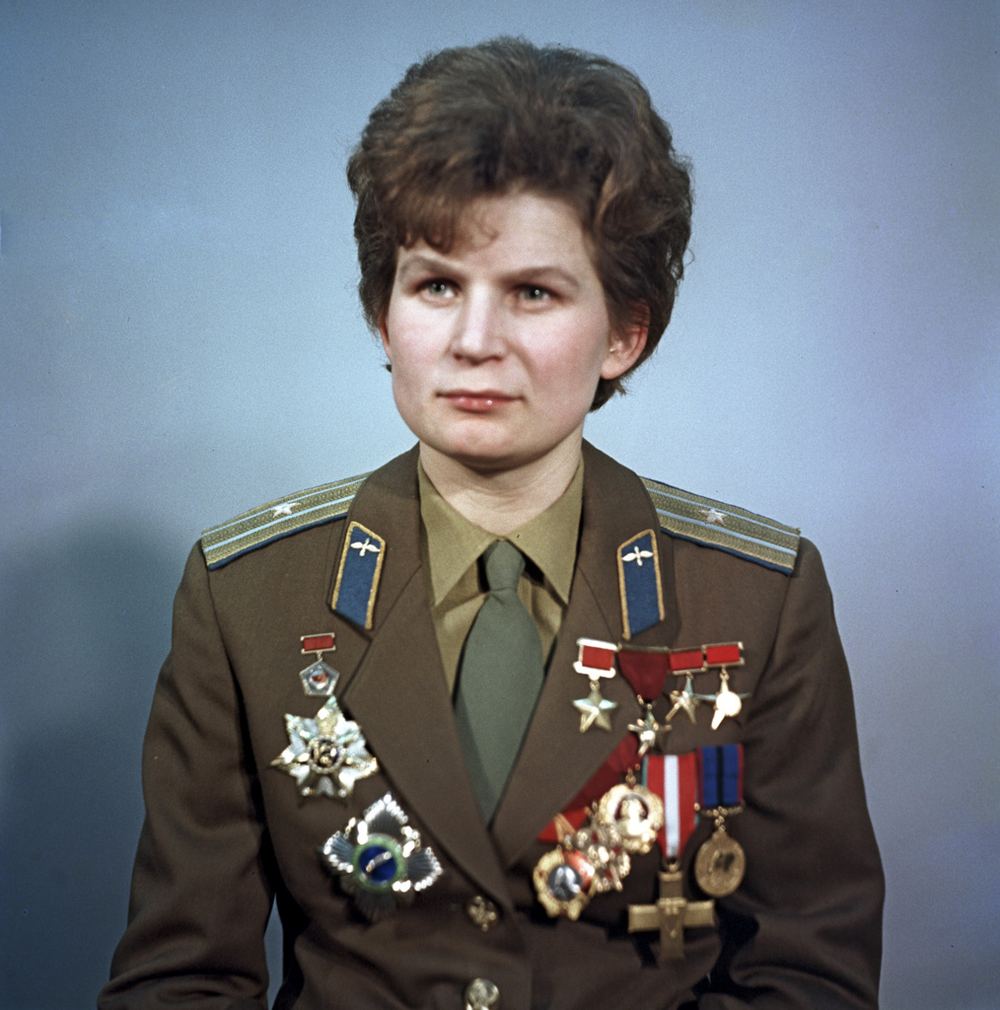
Valentina Tereshkova launched aboard Vostok 6 three days ago and landed today after nearly three days in orbit — 48 orbits, 70 hours and 50 minutes. She is 26 years old. She was a factory worker and amateur parachutist before she was selected for the cosmonaut program. She has no flight training in the conventional sense — no jet pilot background, which all our Mercury astronauts had.
And she just spent three days in space.
The American press response is a mixture of genuine admiration and barely disguised defensiveness. Some columnists are writing about how this demonstrates the Soviet commitment to equality — look, they’ll put a woman in space! — while noting sardonically that the United States has no such program. Other columnists are suggesting this was a propaganda stunt and that Tereshkova’s mission was not technically demanding.
Both things can be true. It can be a propaganda stunt and also a genuine achievement.
Betty was uncharacteristically sharp about the American commentary. She said, “They sent a woman to space and we’re arguing about whether it counts. What does that say about us?” I didn’t have a good answer.
The honest comparison: Tereshkova spent longer in space than all six Mercury astronauts combined. She flew a completely automated spacecraft — the pilot’s role in Vostok is different from Mercury — but she was there, orbiting, reporting observations, conducting experiments. The same people who criticized Carpenter for being too interested in things outside the window are not, I notice, criticizing Tereshkova for the same.
There is no woman in the NASA astronaut program. There are women who could qualify — there are women who participated in studies that showed they were physically and psychologically as capable as the Mercury astronauts — but the program requires military test pilot experience, which women are not permitted to accumulate because they aren’t permitted to be military test pilots. This is a closed loop, and someone at NASA made the choice to close it.
Will there be an American woman in space? I think eventually, yes. But not soon. Not in Gemini, and probably not in early Apollo. By the time we put a woman in orbit the Soviets will have lapped us on this particular metric.
I’m proud of Valentina Tereshkova. She orbited the Earth and I don’t much care what country she was doing it for. She went up there. She came back. She looked down at the planet and saw what it looks like from the outside.
That’s worth being proud of.
I just wish we’d done it too.