Mercury is finished. Gordon Cooper’s 22-orbit, 34-hour mission in May was the final Mercury flight. Now the program turns toward Gemini.
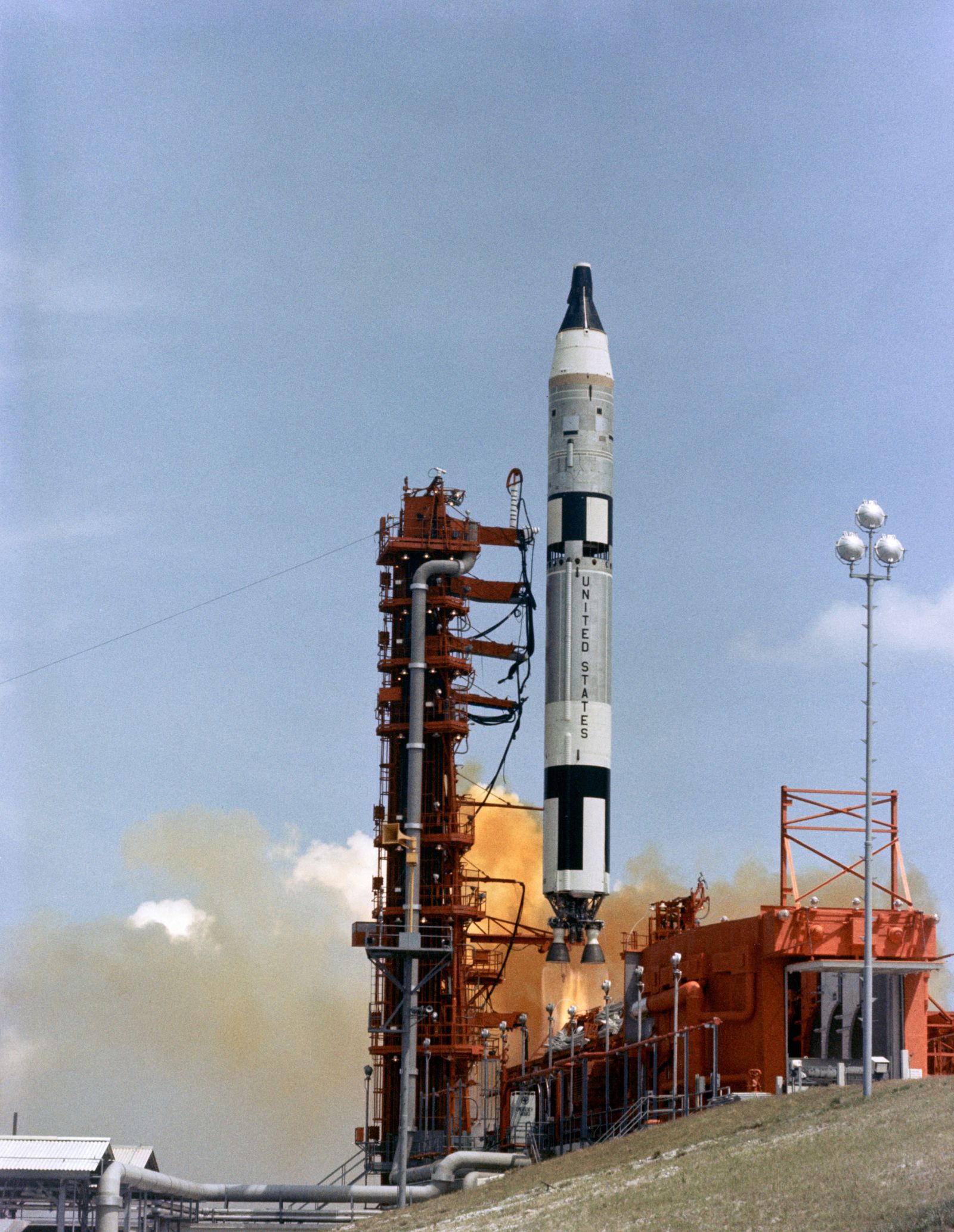
Gemini is more complex in every dimension. Two-person crew instead of one. A different capsule design — larger, with better maneuvering capability, an ejection seat for emergencies (unlike the Mercury “escape tower” approach), and onboard computer capability. A different rocket — the Titan II, a two-stage liquid-fuel missile derived from the Air Force ICBM program.
The Titan II carries crew in a way that required careful engineering adaptation. Liquid-fuel rockets can develop a nasty oscillation problem — the propellant sloshing, the structures resonating, the pogo effect I mentioned in relation to the Saturn V. The Titan II Gemini Launch Vehicle has damper systems to address this. The Air Force variant flew without these modifications; the crewed version required them.
The Gemini capsule has more windows (two, compared to Mercury’s one small porthole) and a modular design where systems can be more easily accessed for inspection and maintenance. The environmental control system is better. The seats eject — useful on the launch pad or at low altitude, less useful at orbital altitude where parachutes wouldn’t work.
The first unmanned Gemini test flight is planned for 1964. The first crewed flight — Gemini 3 — is currently projected for early 1965, with Grissom commanding. Between now and then, there’s hardware to validate, procedures to develop, and two men to train for the mission profile.
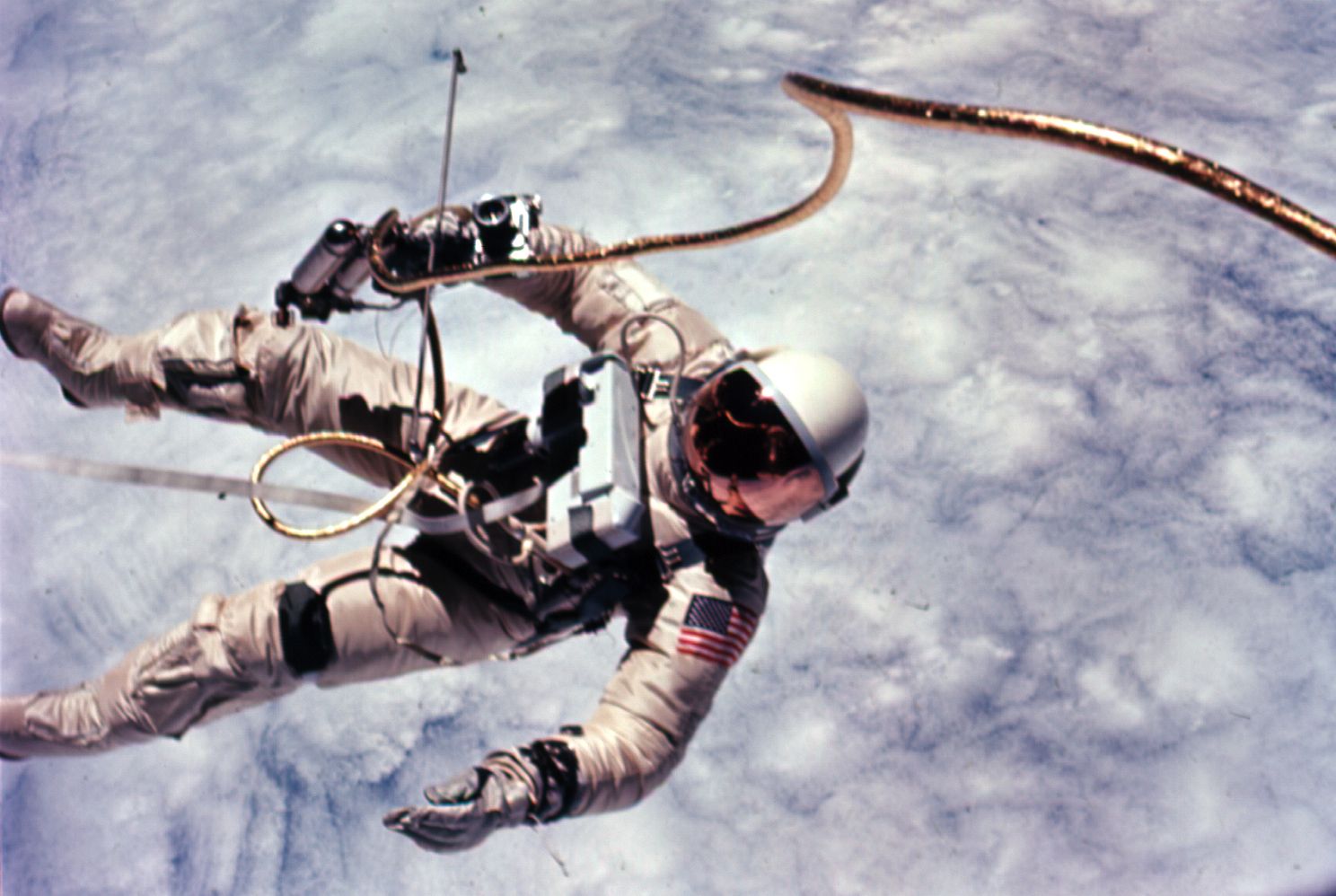
I’ve been watching Mercury for two years. Now I need to learn Gemini. The vocabulary is different: rendezvous, docking, EVA, longer duration. The questions are different: not “can a person survive in space” but “can a person work in space.”
New question, new program. Forward.