John Glenn orbited the Earth three times today. Three times around the entire planet in four hours and fifty-five minutes, and he came back.
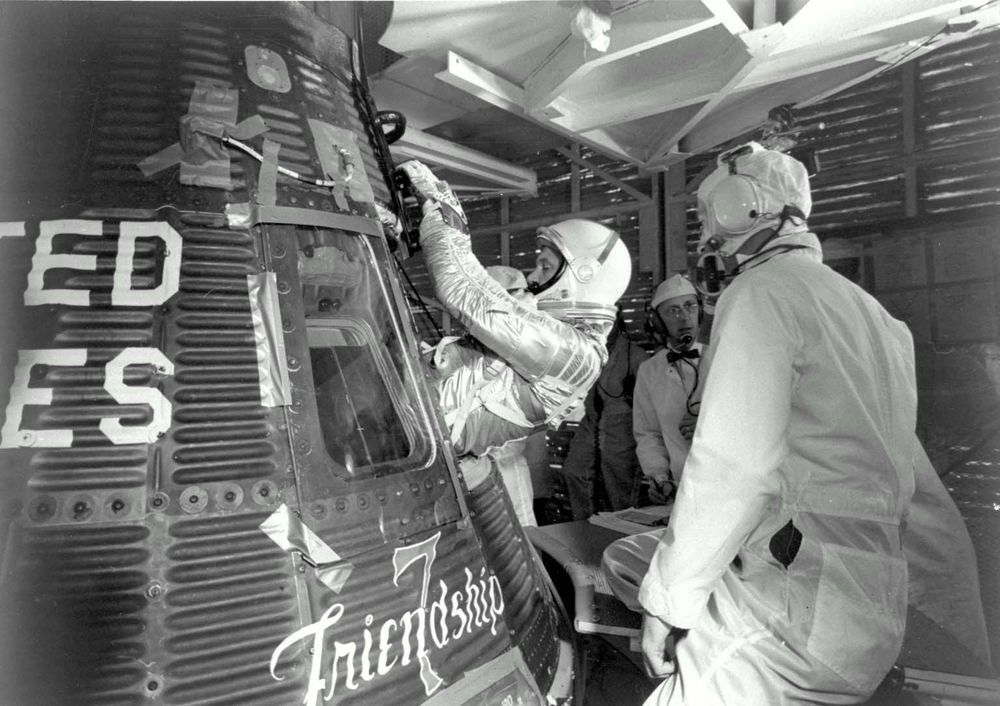
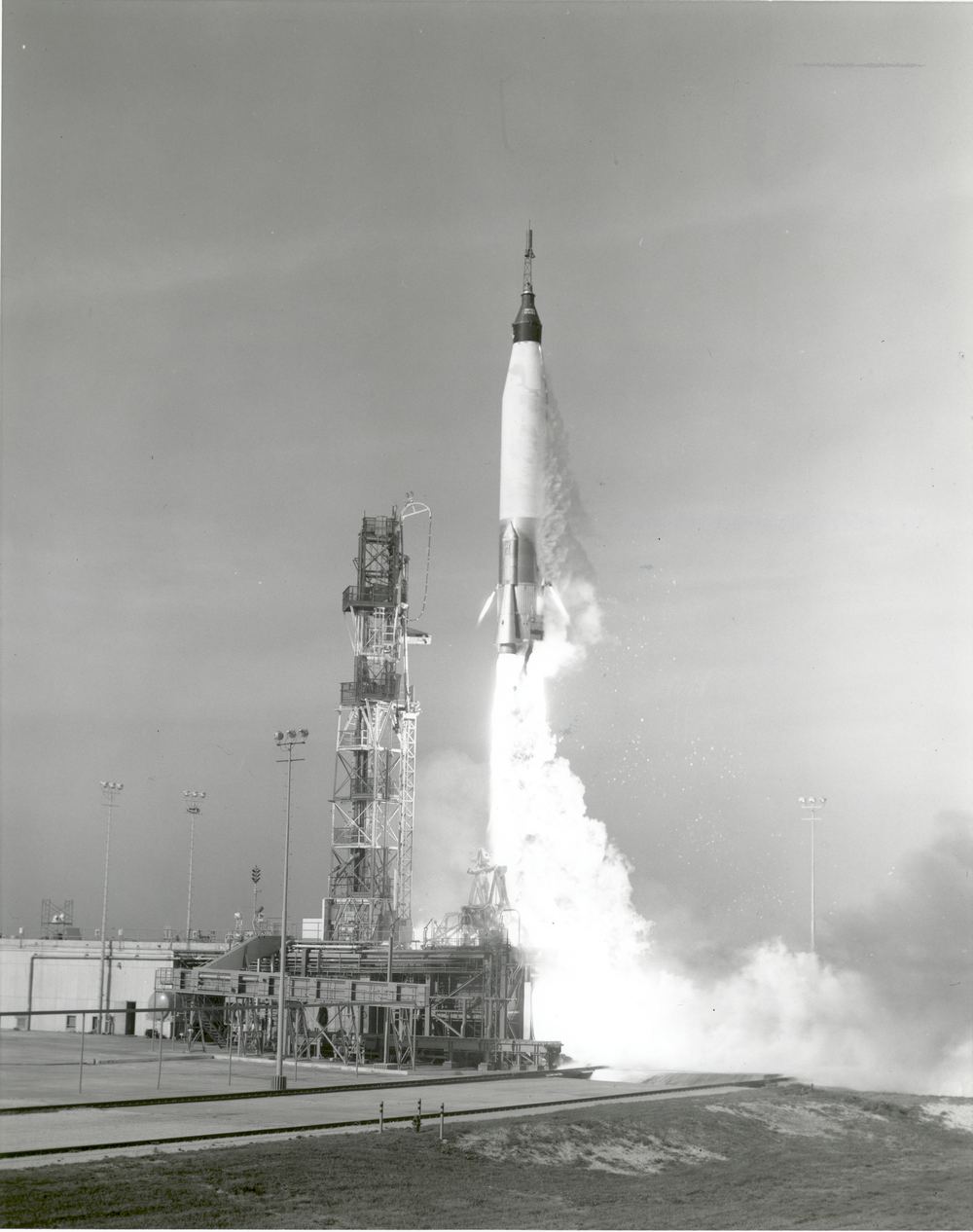
Betty and I watched the launch on television. Harold came over. Edna brought rolls. We sat in the living room and watched a man named John Glenn climb into a capsule on top of an Atlas rocket and become the third American in space — but the first American to orbit.
The Atlas rocket is not the Redstone rocket that Shepard and Grissom flew. The Atlas is an ICBM — an intercontinental ballistic missile — modified to carry people instead of warheads. It’s taller, faster, more powerful, and significantly less reliable. There have been Atlas failures. The people planning this mission knew that. Glenn knew that.
He launched at 9:47 AM after a series of weather and technical delays that stretched the wait over several weeks from the original target date. When the rocket finally lifted off, the crowd at Cape Canaveral apparently erupted, and I don’t blame them. That machine was carrying a man into orbit for the first time in American history.
Friendship 7. Glenn named his capsule Friendship 7 — the same number as the Mercury Seven astronauts. A nice touch. Characteristic of the man, actually — thoughtful, patriotic without being grandiose.
There was a crisis during the flight that wasn’t fully explained until after. A sensor indicated the heat shield on the capsule might be loose. If the heat shield comes off on re-entry, the capsule burns. The man inside burns. NASA decided not to tell Glenn immediately, but they also told him to keep the retrorocket package attached to the heat shield through re-entry, which would hold it in place if the sensor reading was correct. Glenn flew through the ionosphere — the radio blackout — not knowing for certain whether his heat shield was intact.
It wasn’t until he was through the worst of re-entry and they could talk to him again that they knew he’d made it.
The sensor reading turned out to be a false alarm. But they didn’t know that when he was burning back through the atmosphere.
I keep thinking about Glenn keeping his cool through that. He noticed the straps of the retrorocket package burning away outside his window and said, calmly, to the communicator: “That’s a real fireball outside.” He was describing his own potential death and he was calm.
These are remarkable people. I don’t say that often enough, because it risks becoming a cliché, but it’s just true. John Glenn is a remarkable person.
He made three orbits. He could see the sunsets and sunrises — sixteen of them per day from orbital altitude, he noted. He could see Australia at night, lit up below him. He could see thunderstorms from above, which he said looked like flashbulbs. He was genuinely doing what we all wanted him to do: looking at the Earth and telling us what it looked like.
He landed in the Atlantic, was recovered, and was taken to Cape Canaveral for the medical checks. Then he was flown to Washington for a ticker-tape parade. Four million people in New York, apparently. Kennedy met him personally. Glenn spoke to a joint session of Congress.
He said: “We have only begun.”
Three orbits. We are in this race.