The President of the United States stood up in Congress today and said we are going to land a man on the Moon and return him safely to Earth before 1970.
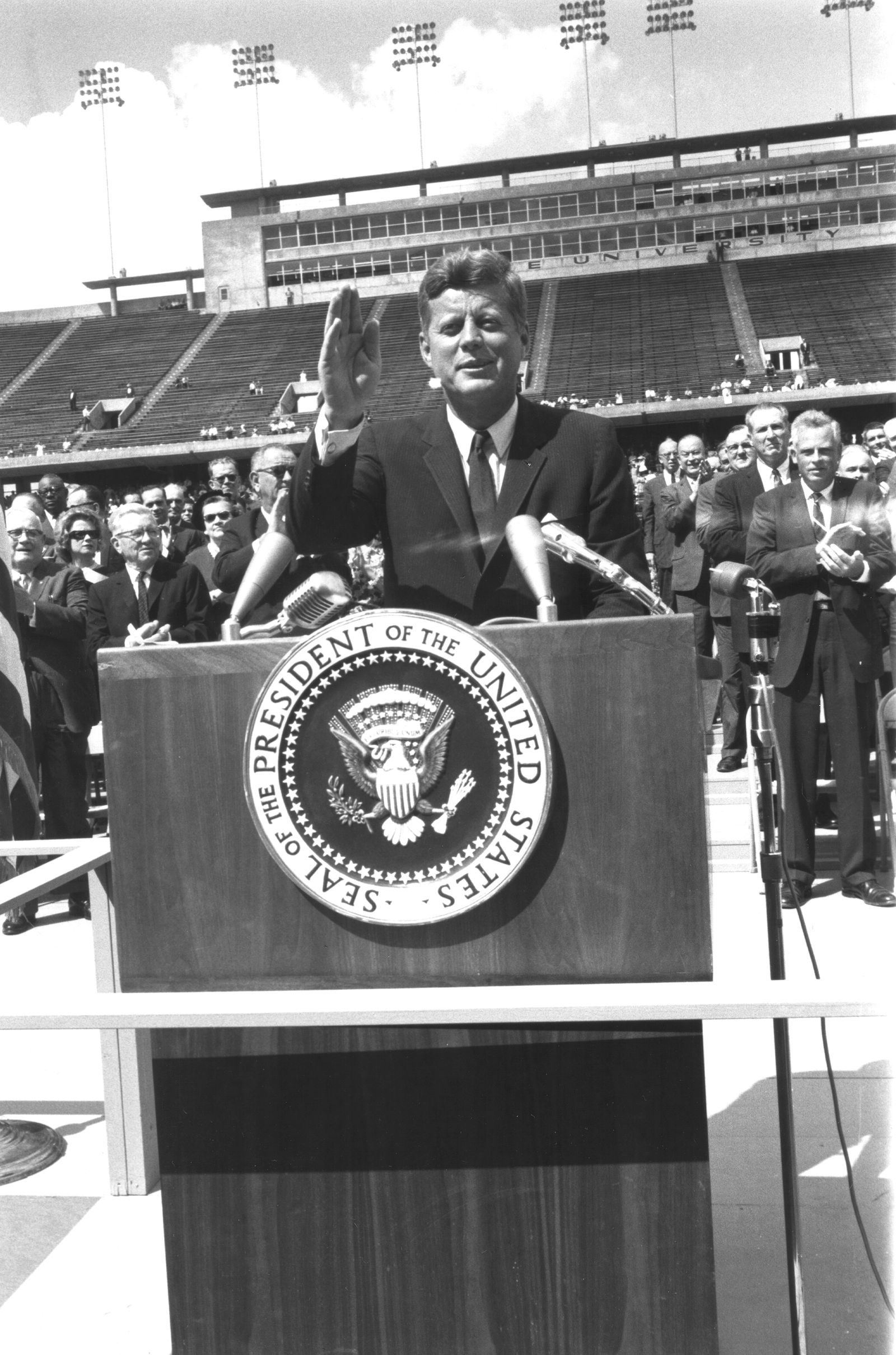
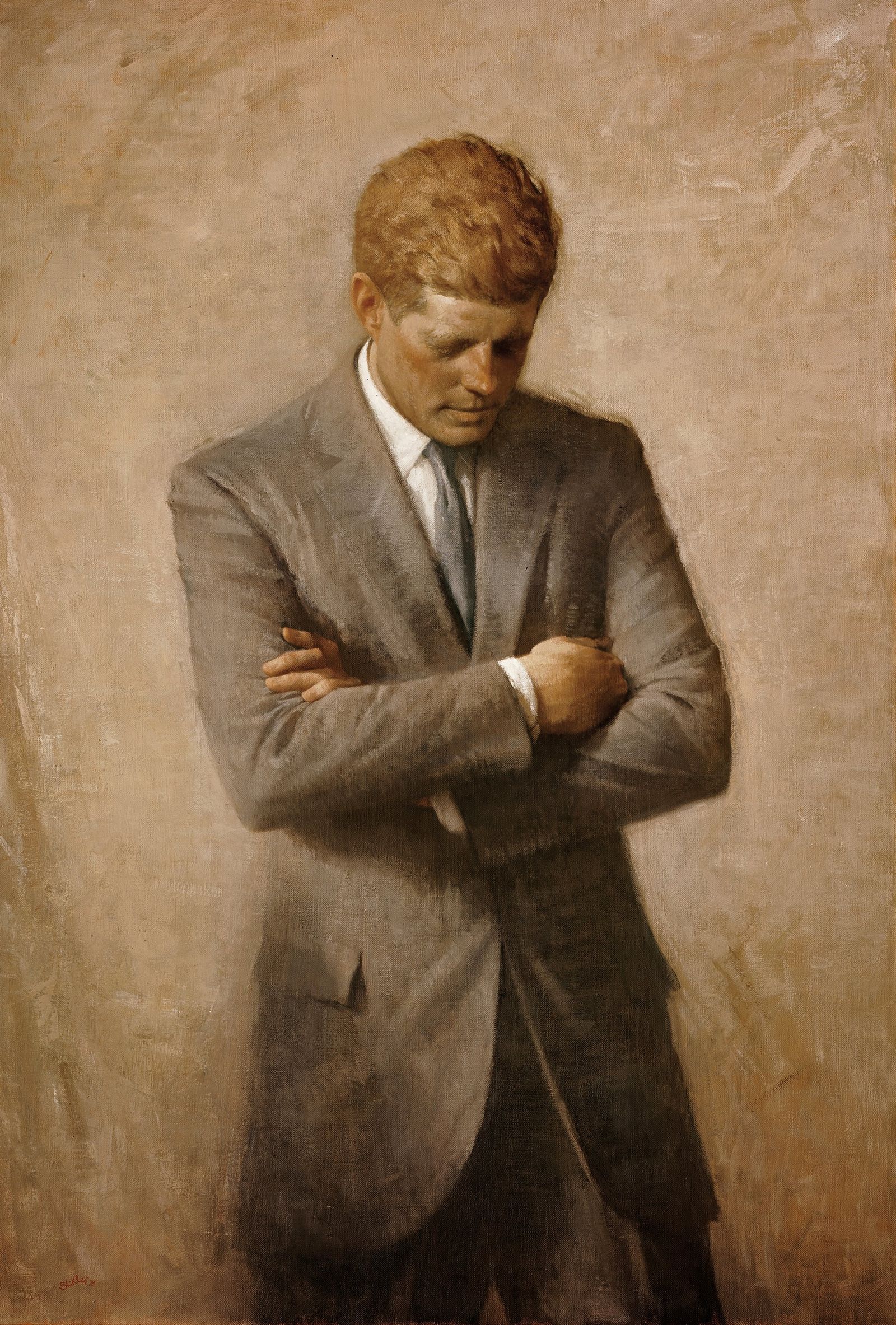
I heard it live on the radio. Kennedy’s voice, careful and precise: “I believe that this nation should commit itself to achieving the goal, before this decade is out, of landing a man on the Moon and returning him safely to the Earth.”
I had to sit down.
Not because it shocked me exactly — there had been talk for weeks, after the Bay of Pigs disaster, after Gagarin, that Kennedy was looking for something dramatic to say about space. But hearing it stated flatly, publicly, as a national commitment — before this decade is out — put it in a different category than rumor and speculation. This is now a promise. Made in front of the Congress of the United States and the entire world.
We have one American who has been in space. For fifteen minutes. We have not orbited. We have not left Earth orbit. We have not gone anywhere near the Moon. The Moon is 240,000 miles away and we have rockets that can loft fifteen minutes of suborbital arc.
Before 1970. Nine years.
Kennedy acknowledged the difficulty: “No single space project in this period will be more impressive to mankind, or more important for the long-range exploration of space; and none will be so difficult or expensive to accomplish.” He asked Congress for $531 million additional appropriation this fiscal year alone. He said “we choose to go to space in this decade and do the other things, not because they are easy, but because they are hard.”
He said “not because they are easy, but because they are hard.”
I’ve been repeating that phrase all day. There’s something about it that cuts through all the strategic calculation and Cold War posturing and gets at something simpler: we’re going to do this because it’s the hardest thing anyone has ever attempted, and that’s reason enough.
Harold thinks it’s crazy. Over the fence this evening he said, “Andrews, we can barely get a man into space for fifteen minutes and this man wants to go to the Moon in eight years?” I told him that seemed like exactly the kind of thing presidents were for — stating an audacious goal and forcing everyone to figure out how to achieve it. Harold looked skeptical. Harold generally looks skeptical.
Betty was quiet through most of my explaining. Then she said, “Do you think they’ll actually do it?” And I said I didn’t know, but I thought we had to try, and I thought Kennedy meant it, and I thought that mattered. She said, “I hope whoever goes comes back.”
That’s the thing, isn’t it. It’s not a flag-planting exercise. He said “landing a man on the Moon and returning him safely to Earth.” The safety clause is part of the commitment. We’re not talking about sending someone to die on the Moon for propaganda purposes. We’re talking about a round trip.
Nine years from now. I’ll be 36. Betty will be 33. We might have children by then. I want to be able to tell them: yes, I watched the whole thing. I was paying attention when it happened.
I am paying attention.