I read it in the Evening Star on the bus home from work. President Kennedy had given a special address to Congress. He talked about national security and the space program and the urgent need for America to lead. And then he said it, in plain English, right there in the Congressional Record:
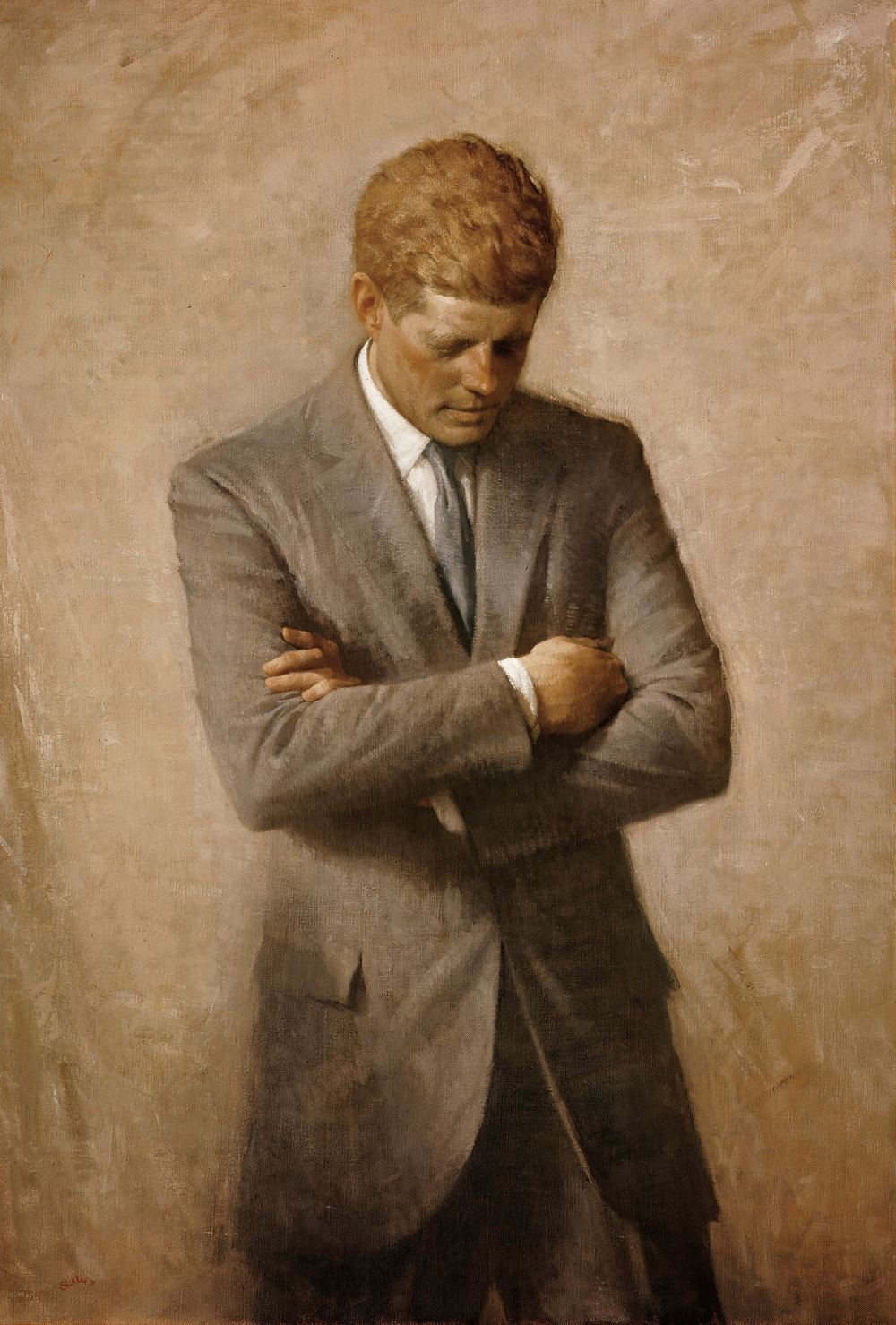
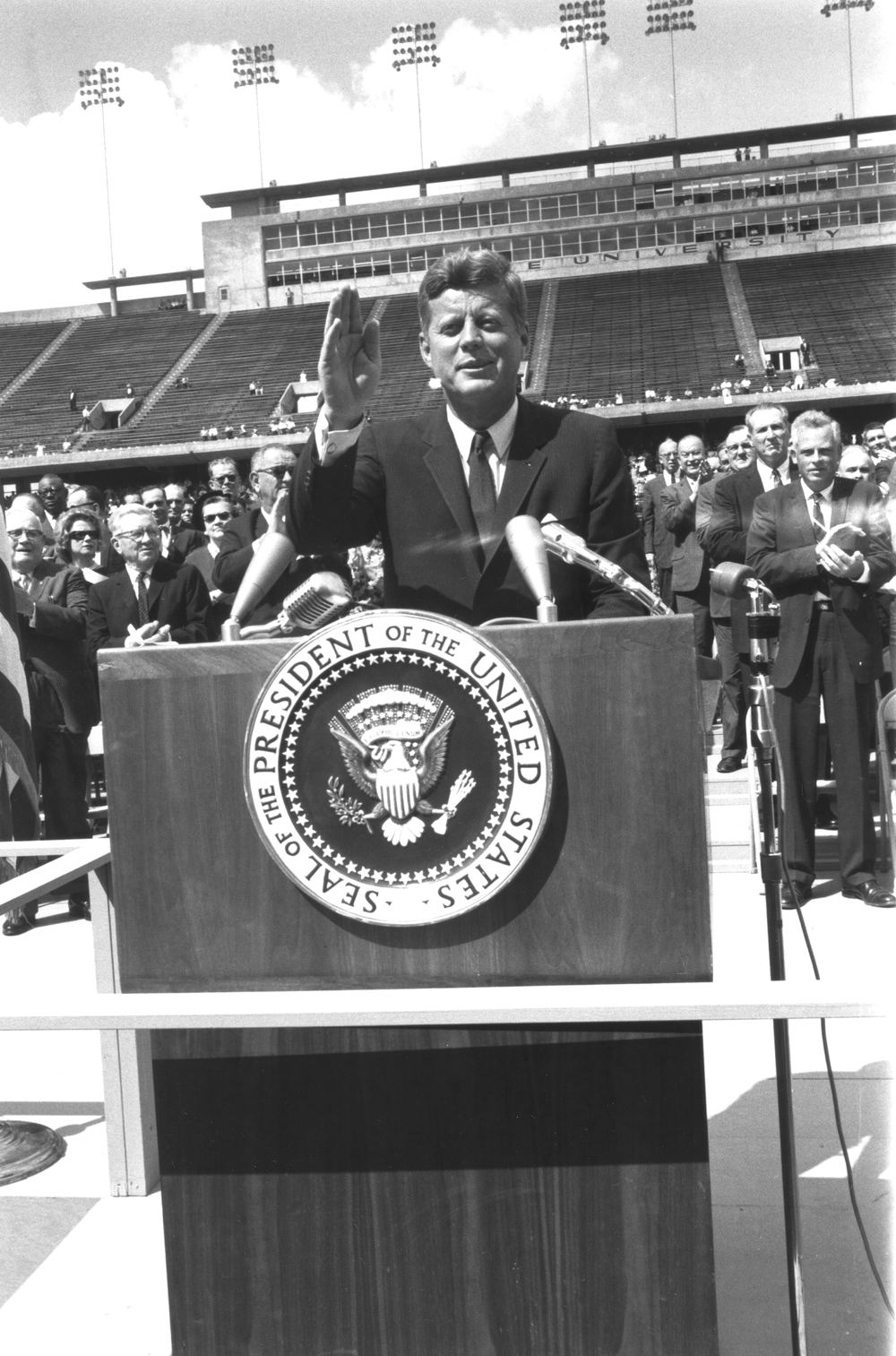
“I believe that this nation should commit itself to achieving the goal, before this decade is out, of landing a man on the Moon and returning him safely to the Earth.”
Before this decade is out. The decade ends in 1969. Eight years. A man on the Moon in eight years.
I sat on that bus and I read the sentence three times. Then I folded up the paper and looked out the window at the passing buildings and tried to figure out what I thought about this.
The Moon. Not orbit. Not a space station. The Moon itself. A human being, standing on the surface of another world, 240,000 miles from Earth. In eight years.
I should say: I am not a scientist. I am not an engineer. I did not study physics or aeronautics or anything of the kind. I work in an insurance company on the seventh floor of a building on Pennsylvania Avenue, and my primary responsibilities involve claims processing and quarterly reports. I know the Moon the way anyone knows it: as a light in the sky. As something I’ve looked at my whole life without ever really thinking about what it is.
But even I — even someone who barely passed high school chemistry — can feel the audacity of what Kennedy just proposed. We have been to space exactly once, for fifteen minutes. The Soviets have been twice, much longer. We don’t have an orbital spacecraft yet. We haven’t docked two vehicles in space. We haven’t done a spacewalk. We have done essentially nothing, in the cosmic scheme of things, except point a rocket at the sky and see if it went in the right direction.
And the President just told Congress we’re going to the Moon in eight years.
Harold from next door came over that evening — he’d seen the speech on television, or read about it — and he was not impressed. Harold is a practical man. He sells hardware and he knows what things cost. He said: four billion dollars. That’s the number they’re talking about. Four billion dollars. Could feed every hungry child in America for years, he said. Could rebuild every crumbling bridge. Could do a thousand things more immediately useful than sending one man to step on some rocks 240,000 miles away.
I said: people probably said the same thing about Columbus. Why spend money sending ships to the west when there are problems right here in Spain?
Harold said Columbus didn’t cost four billion dollars.
He has a point. He always has a point. And I don’t entirely disagree with him — I know there are hungry people and broken bridges. But I also know that something about Kennedy’s speech sits differently in me than Harold’s objections do. There is something about the idea — the image of an American standing on the surface of the Moon and looking back at Earth — that touches something I can’t quite articulate. Not just national pride. Something more than that. Something about what we are as a species. What we’re capable of.
Can we do it? Can we actually do it? I genuinely don’t know. Shepard was in space for fifteen minutes. The Moon is 240,000 miles away. We would need a rocket many times more powerful than the Redstone. We would need a spacecraft that could survive the journey and land and lift off again from another world. We would need navigation systems that don’t exist yet. We would need to solve problems we don’t even know about yet.
But Kennedy said: before the decade is out. He said it to Congress, which means Congress will have to fund it. Which means at least some portion of the federal government believes it might actually be possible.
I clipped the speech out of the paper and put it in a folder. I suspect it will be worth keeping.
My coffee was cold by the time I put the paper down. I hadn’t noticed. I was sitting at the kitchen table going cold wondering what it would feel like to look up someday and know there was an American standing on the Moon.
Eight years. Maybe.