Last night the United States finally joined the space age.
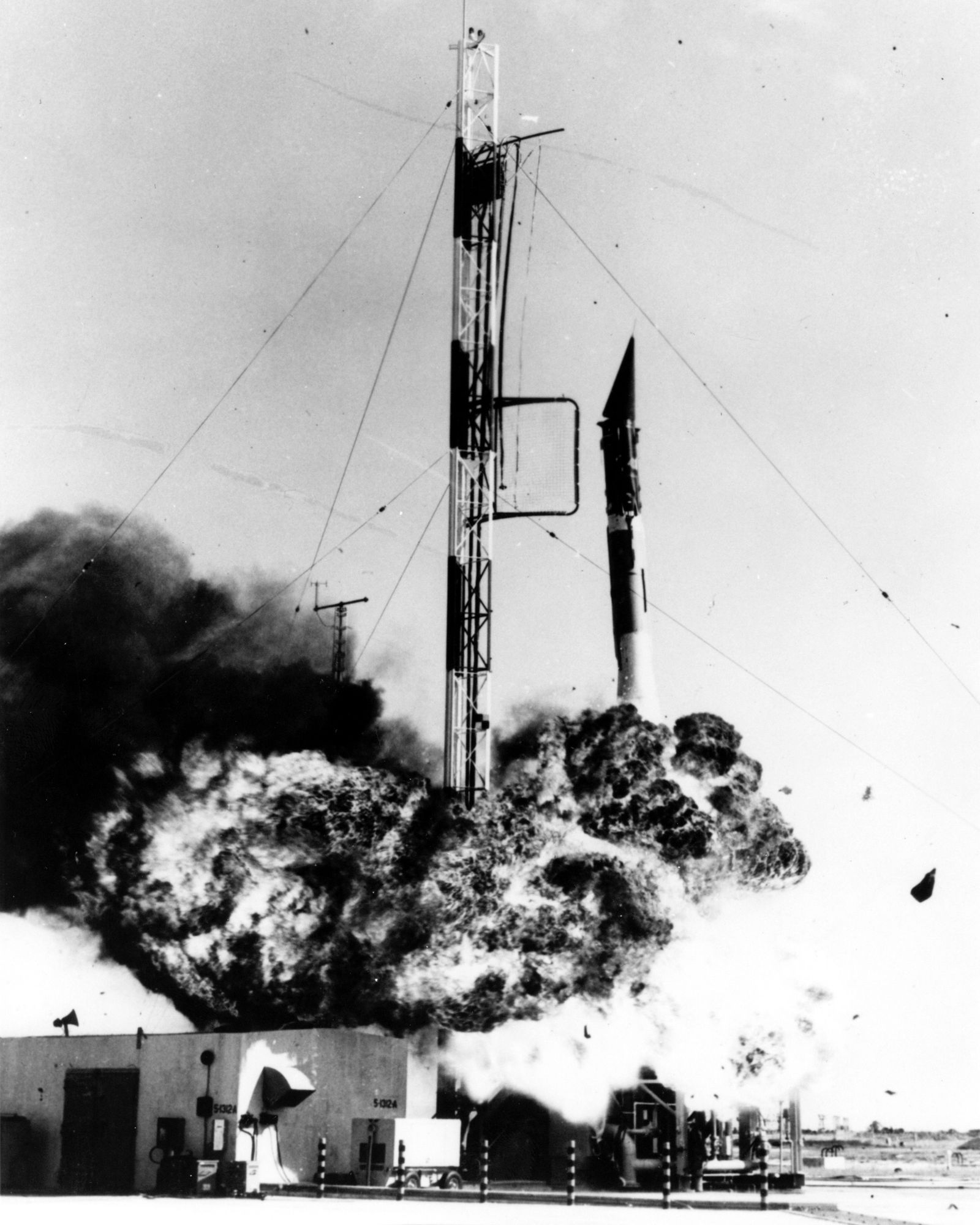
Explorer 1 launched from Cape Canaveral at 10:48 PM Eastern Time, and by the time I woke up this morning the news was confirmed: it reached orbit. After watching the Vanguard rocket explode on its launch pad on national television in December — “Flopnik,” the papers called it, which is funny and humiliating in equal measure — we finally have a satellite circling the Earth.
I don’t mind admitting I had started to worry.
Not just about the prestige angle, though that’s real enough. The Soviets have put up two Sputniks in four months. We have tried and failed publicly and messily. The Army, the Navy, and various contractors have been squabbling over who gets to attempt what. The whole thing has looked embarrassingly disorganized compared to the apparent efficiency of the Soviet program. Whether that appearance reflects reality, I don’t know — we certainly aren’t getting detailed reports from Moscow about all the Soviet rockets that blew up on their pads.
But Explorer 1 is up there now. Wernher von Braun’s team did it — the German rocket engineers we brought over after the war, working out of Huntsville, Alabama. The man who built the V-2 rockets that fell on London is now building the rockets that are going to win the space race for America. History is strange.
There’s already scientific news from Explorer 1 that I didn’t expect. Dr. James Van Allen at the University of Iowa built the instruments aboard, and they’re detecting something unexpected at high altitudes — a region of intense radiation surrounding the Earth. They’re calling it the Van Allen Belt, provisionally. Something we didn’t know was there. Explorer 1 went looking for a propaganda victory and found a discovery. That seems like a good omen.
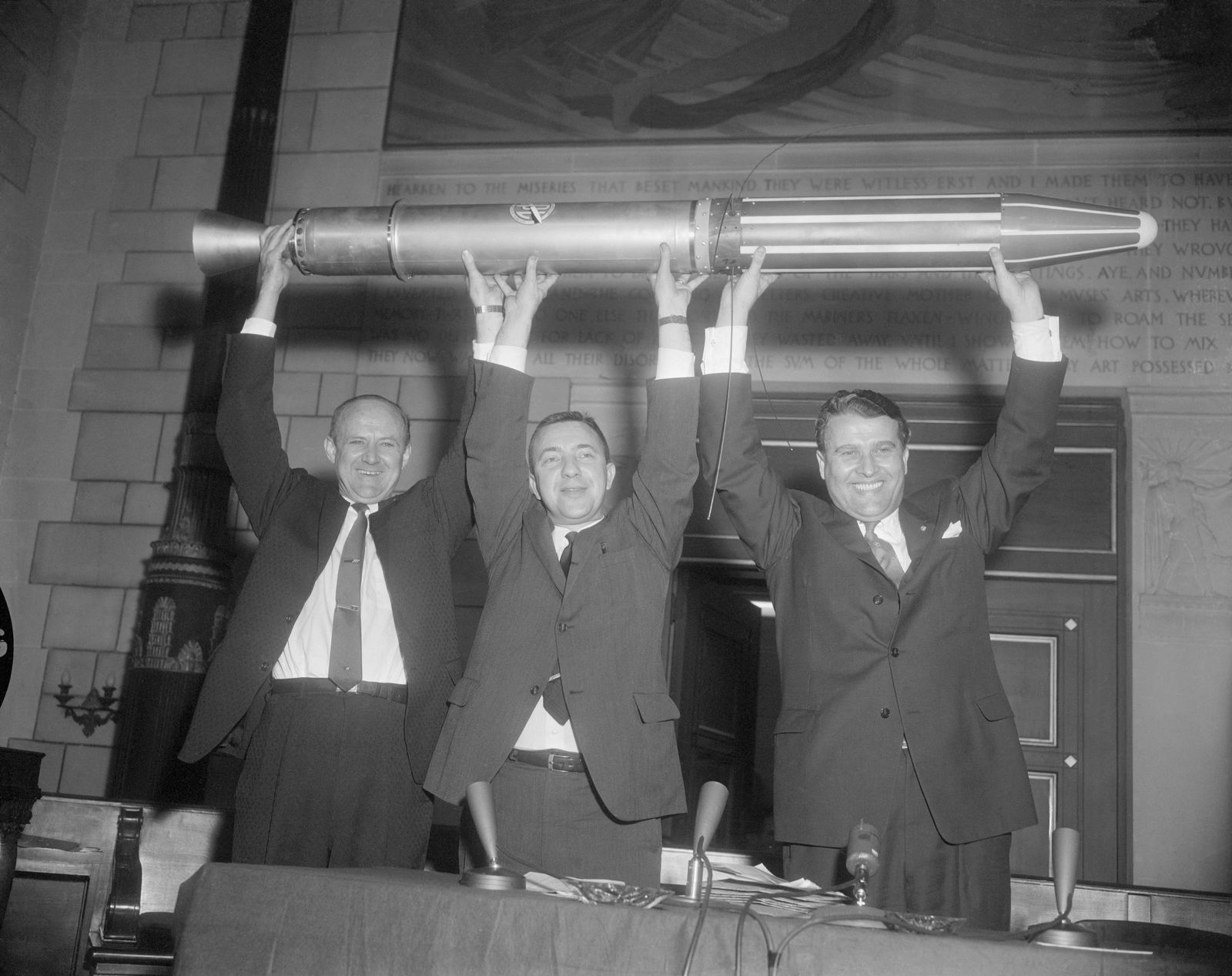
Betty made a small celebration — apple pie, which she had been saving for a special occasion. Harold came over and we listened to the news broadcasts together. There’s a photograph in the paper of von Braun and some Army officials holding Explorer 1 over their heads, grinning. It’s a small thing — 80 inches long, 6.4 inches diameter, 31 pounds — but it’s ours and it’s up there.
We have a satellite. We are in the game.
I’m not naive enough to think this erases the Sputnik embarrassment or closes the gap overnight. The Soviets have a head start and they are clearly serious about this. But this feels different from the past few months of watching from the sidelines. We’re in it now.
I’ve been reading about NASA — the National Aeronautics and Space Administration, which Congress is apparently going to establish this summer. Right now the space effort is split between the Army, Navy, and various civilian groups. NASA is supposed to consolidate it. I think that’s the right instinct. You can’t run a race with six people tripping over each other. Pick a lane and run.
Explorer 1. Small, humble, 31 pounds, but it belongs to us. I’ll take it.