As of yesterday, the United States has a proper civilian space agency.
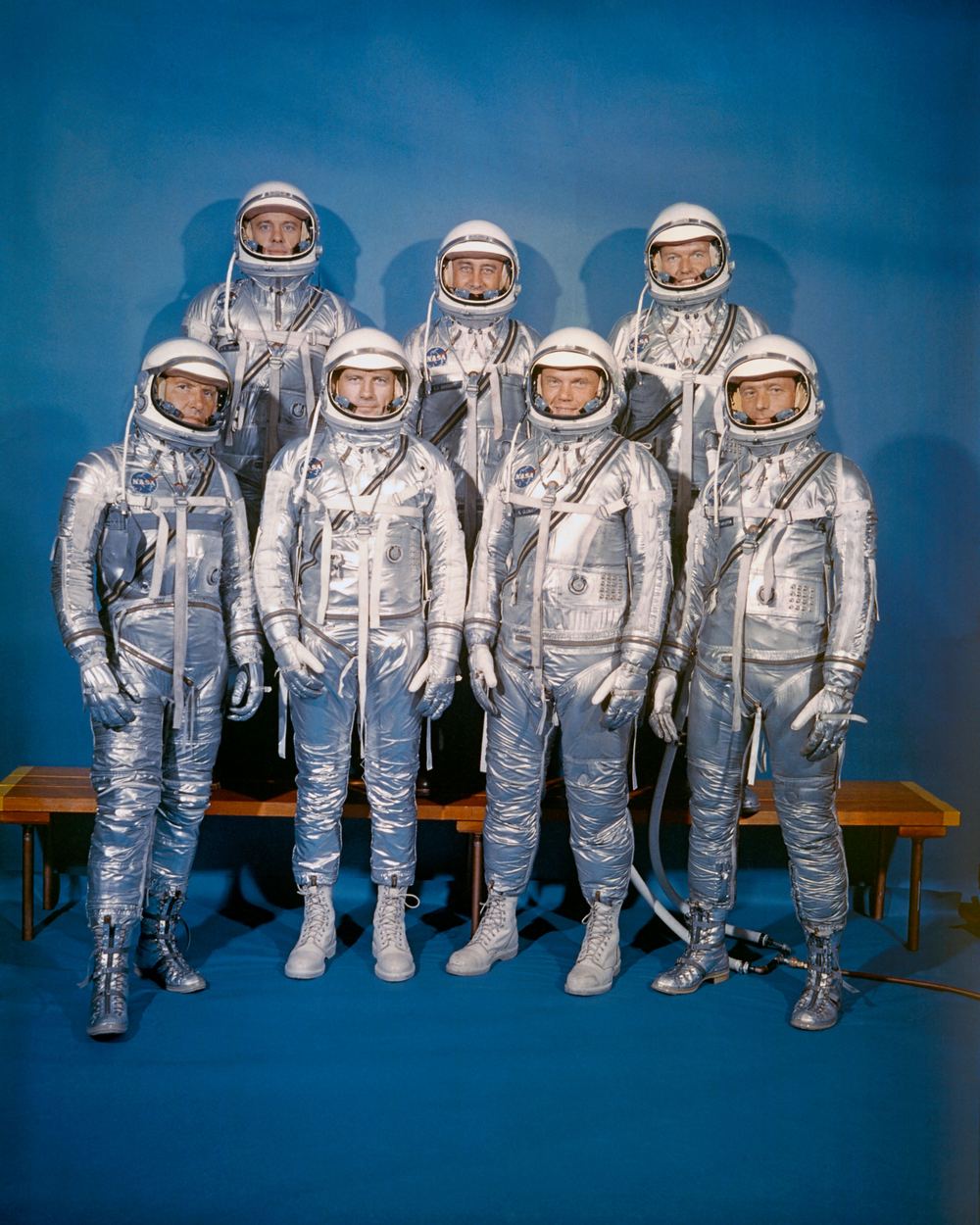
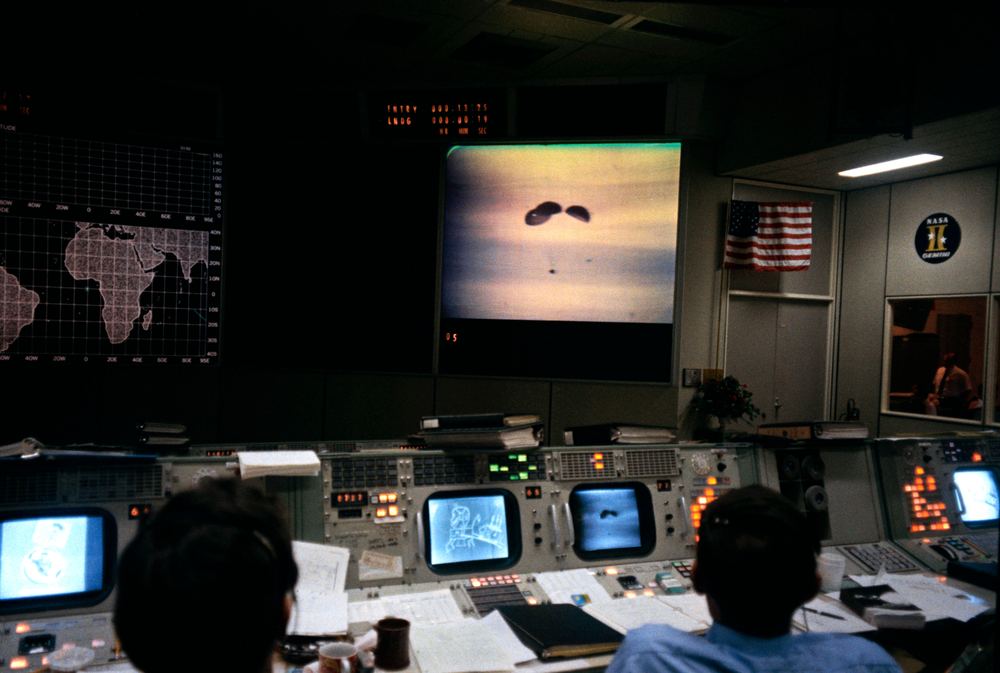
NASA — the National Aeronautics and Space Administration — officially opened on October 1st, and I’ve been thinking about what that means ever since. They’ve announced something called Project Mercury, which is the plan to put an American in space. One man, in a small capsule, launched on top of a rocket. The goal is to beat the Soviets to it, but also to figure out whether a human being can function in space — can breathe, think, operate controls, survive weightlessness.
That last part is the one that interests me. We don’t actually know yet whether a person can function in zero gravity. The physiology is unknown. Some doctors think the human body will simply malfunction without gravity — that the heart won’t pump blood correctly, that the lungs won’t work, that the inner ear will go haywire and cause incapacitating disorientation. The dog data helps — Laika seemed to function for some hours before the temperature became fatal — but we don’t have detailed biological telemetry from that flight, and dogs are not men.
I’ve been reading everything I can find about the Mercury program. The capsule will be tiny — barely big enough for one person to sit in. It won’t have windows initially, I think. The astronaut will be more passenger than pilot for the early flights. They’re going to recruit seven men, the papers say. They want military test pilots — men who are already accustomed to flying experimental aircraft under dangerous conditions, who understand that some percentage of their colleagues don’t come back from work. Men who can stay calm while things are going wrong around them.
I’m 33 years old and I’ve never been a soldier or a pilot. I work insurance claims. I’m not going to be an astronaut, and I’ve never had any illusion otherwise. But I find myself following this whole enterprise with a personal intensity I can’t entirely explain. It’s not just national pride, though that’s part of it. It’s something else — a sense that this is the most important thing happening in the world right now, and I want to understand it as well as I can from where I sit.
Betty asked me last night if I thought they were really going to be able to put a man in space safely. Honest answer: I don’t know. The rockets we have right now blow up fairly regularly. The Atlas rocket they’re planning to use for Mercury has had failures. The Mercury capsule heat shield is still being developed. There are a thousand things that have to work right in sequence, and so far our record is not spotless.
But the Soviets are doing it too, and if they manage to put a man up there first, that will be the most significant propaganda victory of the Cold War. Bigger than Sputnik. Bigger than Laika. A Soviet cosmonaut in orbit while American astronauts are still on the launch pad.
I’m keeping this notebook. I want to have a record of what all this felt like from the ground level — not from Mission Control, not from the Pentagon, but from a suburban house in Ohio where a man with no special training is paying attention as hard as he can.
Project Mercury. We’re going to try to put a man in space. I believe we can do it. I’m not certain we’ll do it first. But I’ll be watching every step of the way.