Apollo 16 landed at the Descartes Highlands on Thursday, and the lunar surface geology is already surprising the scientists back home.
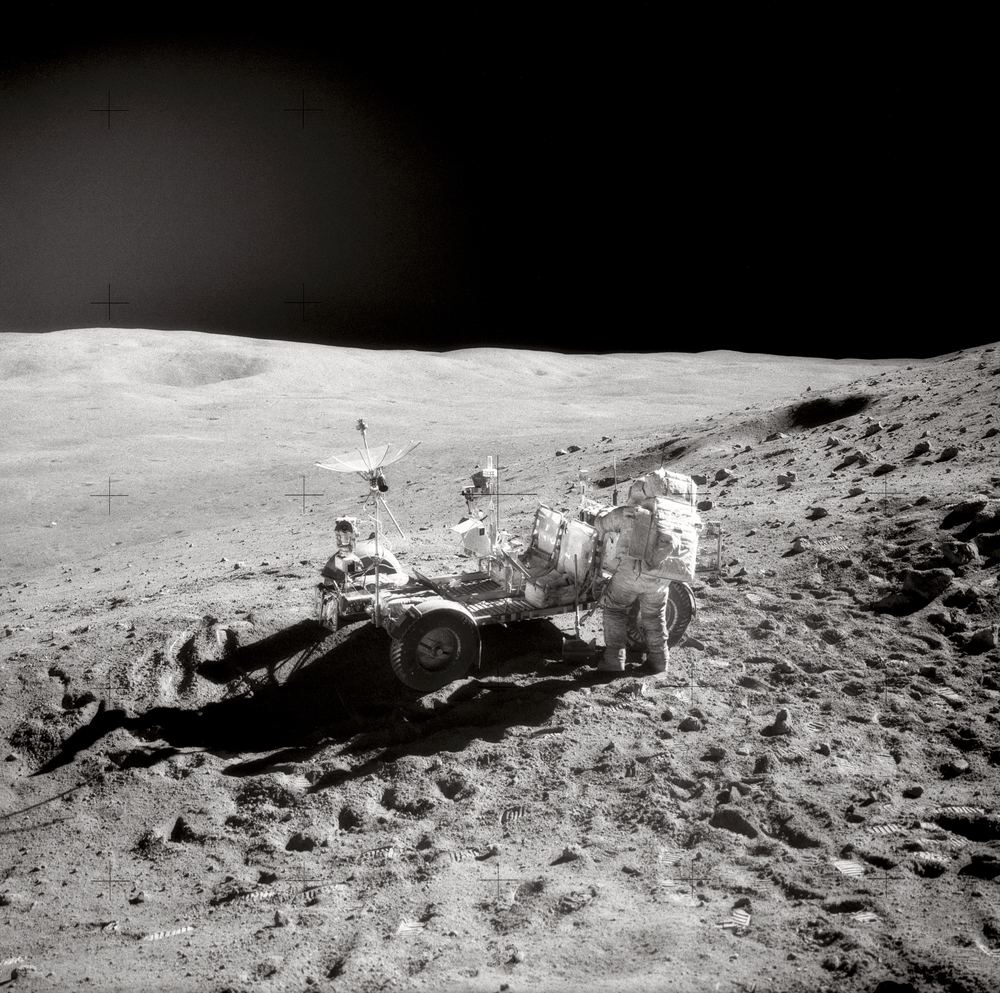
The Descartes site was chosen because orbital photography and remote sensing suggested that the region might contain volcanic rocks — not the basaltic lava that fills the mare basins, but a different type of volcanism, highland volcanism, that would tell a different story about the Moon’s interior. There were specific formations — Smoky Mountain and Stone Mountain near the landing site — that geologists thought might be volcanic in origin. That’s what they’ve been training for. That’s what they expected to find.
Within the first EVA, the samples John Young and Charles Duke collected looked wrong for volcanic rock. The geologists in Houston began to realize: the Descartes Highlands might not be volcanic at all. Like everywhere else they’ve been, the material looks like impact breccia — rock shattered and re-fused by meteorite impacts. Not volcanism. Impact.
I read the transcripts from Mission Control with interest: you can hear the geologists recalibrating in real time, asking different questions, redirecting the crew to collect samples that will help them understand what they’re actually looking at. This is science at work. Not “we were wrong, stop everything,” but “this is surprising and interesting, let’s learn more.”
The Moon refuses to be what we think it is. Every mission finds something that updates the hypothesis. That’s not a problem. That’s the point of going. You don’t go to the Moon to confirm what you already know. You go to find out what’s actually there.
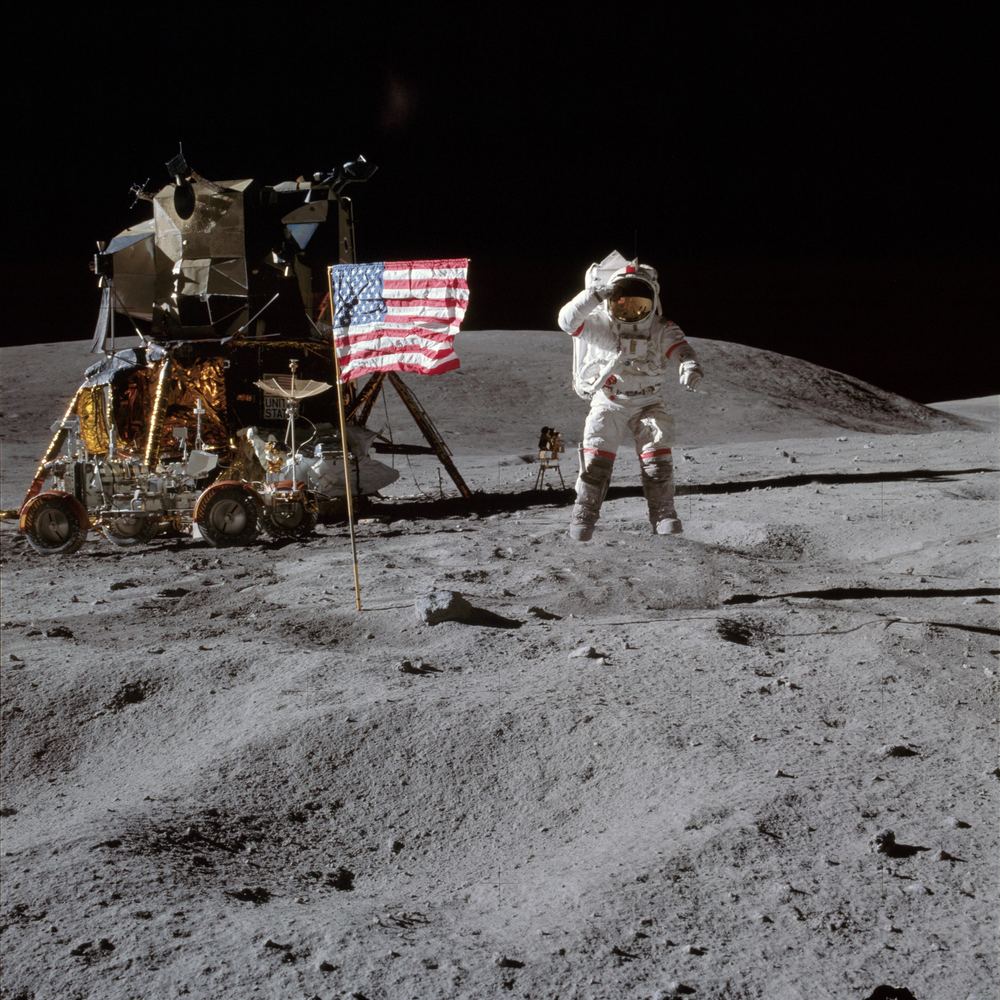
John Young is remarkable. He’s been in space on Gemini 3, Gemini 10, Apollo 10, and now Apollo 16 — four missions spanning eight years. He’s technically meticulous and apparently irrepressible. At one point during the EVA, he was photographed jumping about four feet off the surface while saluting the flag. The most professional astronaut in the corps, completely unable to hide his delight at being on the Moon.
I have a soft spot for John Young. He’s been there from the beginning. He flew with Grissom on the first Gemini. He flew around the Moon on Apollo 10 and didn’t land. Now he’s on the surface. He has earned every moment of this.
Two more days of EVAs to go. Whatever the Descartes highlands turn out to be — volcanic or not — the Moon is teaching us something. It always is.