I don’t have enough words. I’ve been sitting here for an hour trying to write this and every time I start I stop because the words feel too small. But let me try to tell you what happened today, because I need to have this written down. I need to have a record of what this day was like.
It was a Sunday. We had been up late the night before watching the coverage — the lunar orbit insertion, the separation of the Eagle from Columbia, the preliminary checks. Michael Collins had put the two spacecraft in different orbits and checked everything twice. Everything was working. On Sunday morning we went to church, came home, and by noon we were back in front of the television. The kids were there. Betty made sandwiches that I don’t think anyone actually ate.
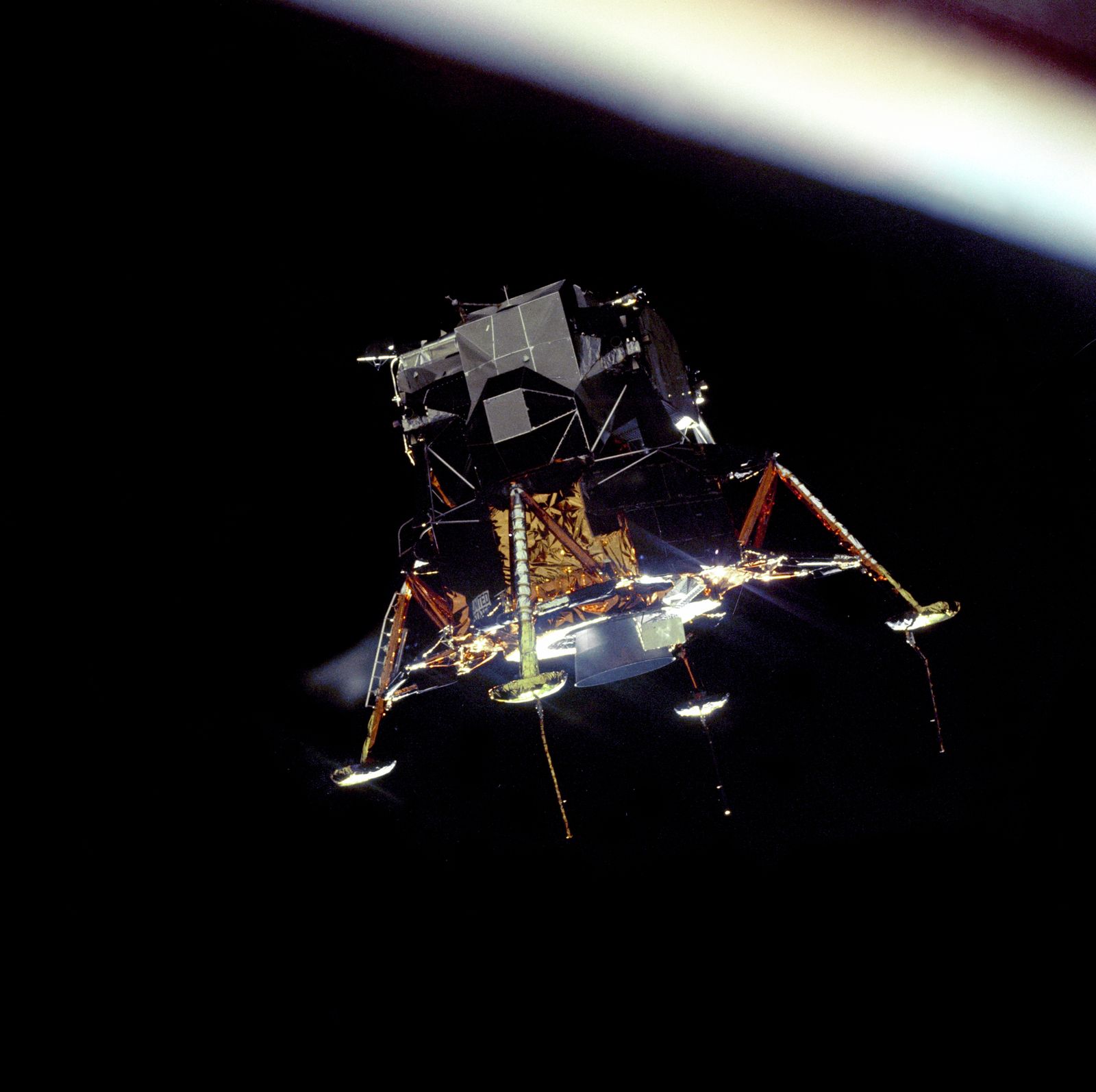
The powered descent began at 3:08 PM Eastern. The descent engine — the one engine in the whole mission that cannot be tested or retested, that has to work on the first try — ignited. The Eagle started down. From orbit, sixty miles above the surface, descending in a long, shallow arc toward the Sea of Tranquility.
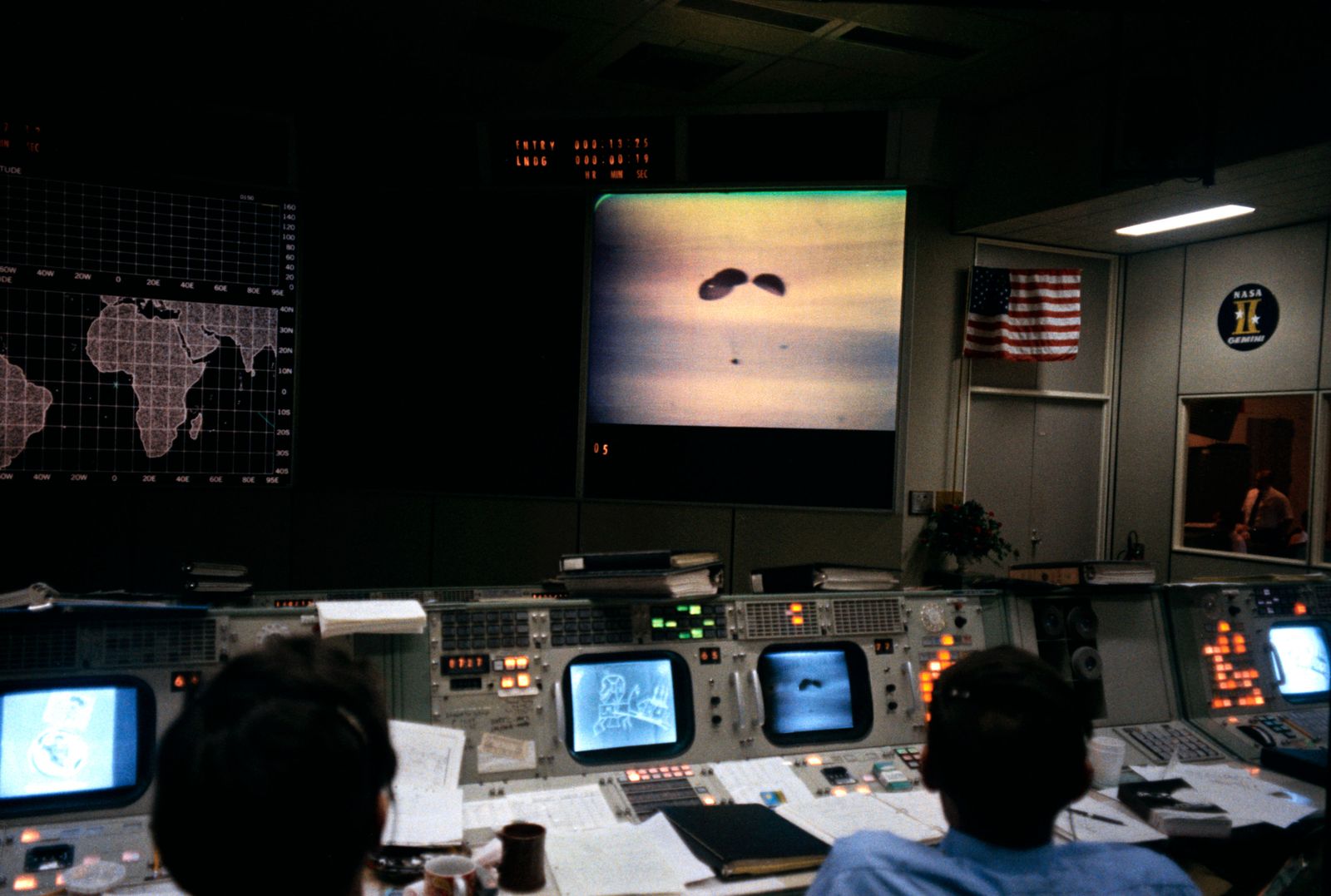
I was listening to the audio from Mission Control on a radio I’d put next to the television. Every transmission from Armstrong and Aldrin. Every response from Charlie Duke at the CapCom position. The calm voices. The technical language I had spent eight years learning to understand.
And then, about six minutes into the descent: “Program alarm. It’s a 1202.”
Armstrong’s voice, calm but with something in it, asking Mission Control what the 1202 alarm meant. A 1202. I didn’t know what a 1202 was. I reached for my notebook — I had been taking notes — and wrote it down. 1202. What is 1202?
There were four or five seconds of silence from Mission Control that felt like they lasted hours.
Then Charlie Duke: “Roger. We’re GO on that alarm.”
They were continuing. Mission Control had cleared the 1202 and they were continuing the descent. I learned later — much later, reading the technical accounts — what a 1202 was: an executive overflow alarm in the guidance computer. The computer was getting more data than it could process and was dropping lower-priority tasks to focus on the critical navigation calculations. A flight controller named Steve Bales, twenty-six years old, who had memorized alarm codes during simulations, recognized the 1202 as one that could be ignored if it cleared itself. He called it. They continued.
More alarms. 1202 again. 1201. Each time, the same response: GO. Continue. The young man at the guidance console had done his homework and in the critical moment he was right.
The descent continued. Lower. Slower. Five hundred feet above the surface. Two hundred feet. They were in the landing phase now — Armstrong had taken manual control to fly over a boulder field that wasn’t on the maps. He was flying the Eagle manually, looking for a clear patch of ground. The altimeter readings were coming: one hundred feet. Seventy-five. Fifty.
Charlie Duke: “Sixty seconds.” That was fuel remaining. Sixty seconds of fuel left. If they didn’t land in sixty seconds, they would have to abort — fire the ascent engine and go back to orbit, abandoning the landing.
Twenty-five feet. Dust kicking up around the landing legs, blowing outward, obscuring the radar altimeter. Thirty seconds of fuel.
Then: “Contact light.” One of the probes dangling below the landing pads had touched the surface. Armstrong cut the engine. There was a moment — a fraction of a second — of complete silence on the audio.
“Houston, Tranquility Base here. The Eagle has landed.”
In my living room on this Sunday afternoon in July, I stopped breathing entirely for some unknown number of seconds. Betty made a sound I have never heard her make before or since. My son said something, I don’t remember what. My daughter covered her mouth with both hands. And I — I sat there in my chair, looking at the television, where Charlie Duke was saying something in a voice that was barely under control, something about being “a bunch of guys about to turn blue,” and I could not move. I could not speak. I could not do anything at all for at least two minutes.
They were on the Moon.
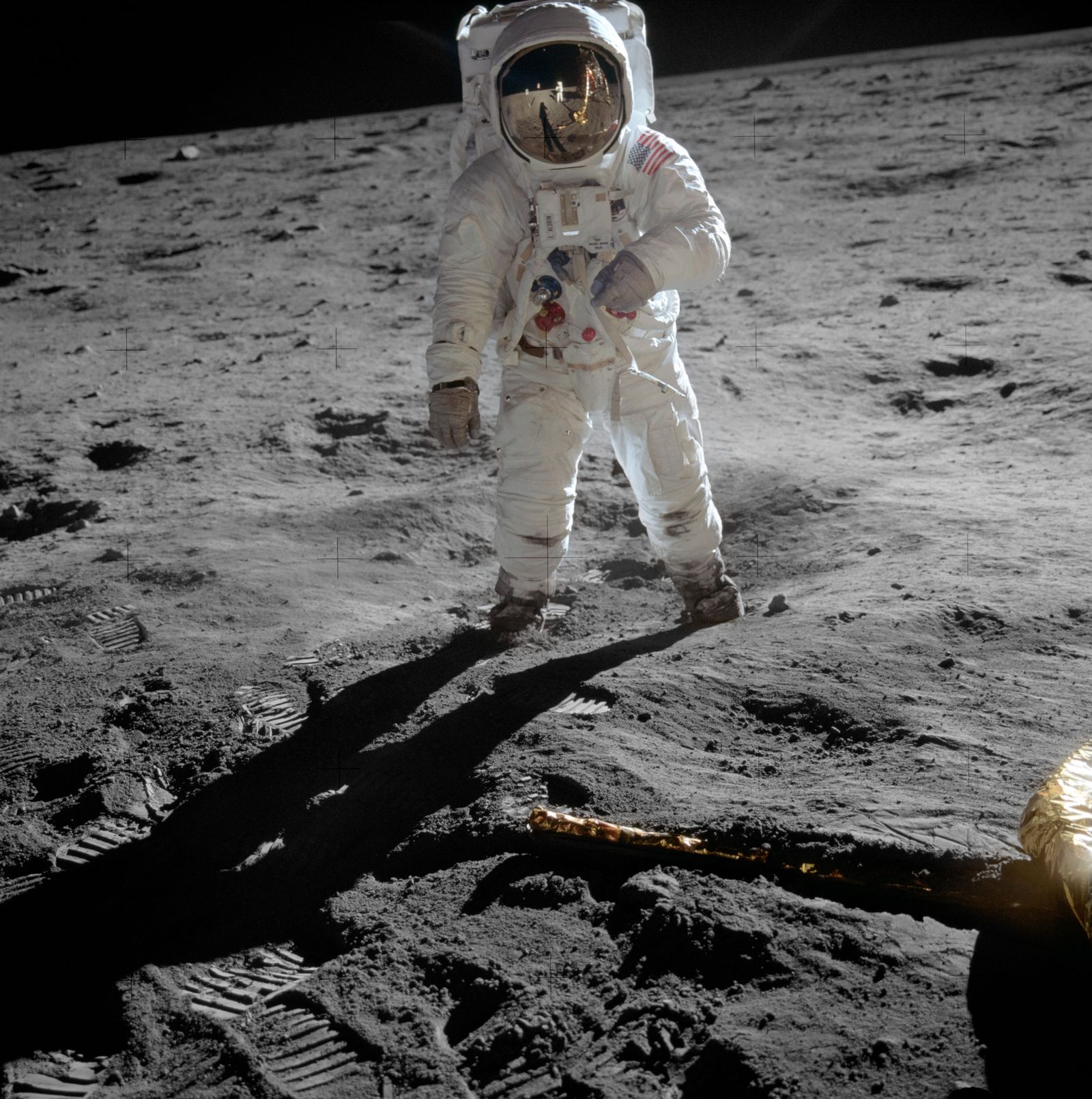
Two men were on the surface of the Moon. At this precise moment, as I sat in my living room on a Sunday afternoon in July 1969, Neil Armstrong and Buzz Aldrin were sitting in a spacecraft that was resting on the surface of another world, 240,000 miles from Earth. The landing legs were down. The engine was off. The dust was settling around them. They were there.
I have been waiting for this moment — not waiting exactly, because I didn’t know it would come, I only hoped — for eight years. Since Gagarin, since Shepard, since Kennedy stood up and said before the decade is out. The decade ends in seven months. We made it. We did it. We went to the Moon.
I will write more tomorrow about the moonwalk, about Armstrong’s first step. But right now, at 4:17 PM on July 20th, 1969, I just want to say: The Eagle has landed. Two men are on the Moon. We went to the Moon. We actually went.
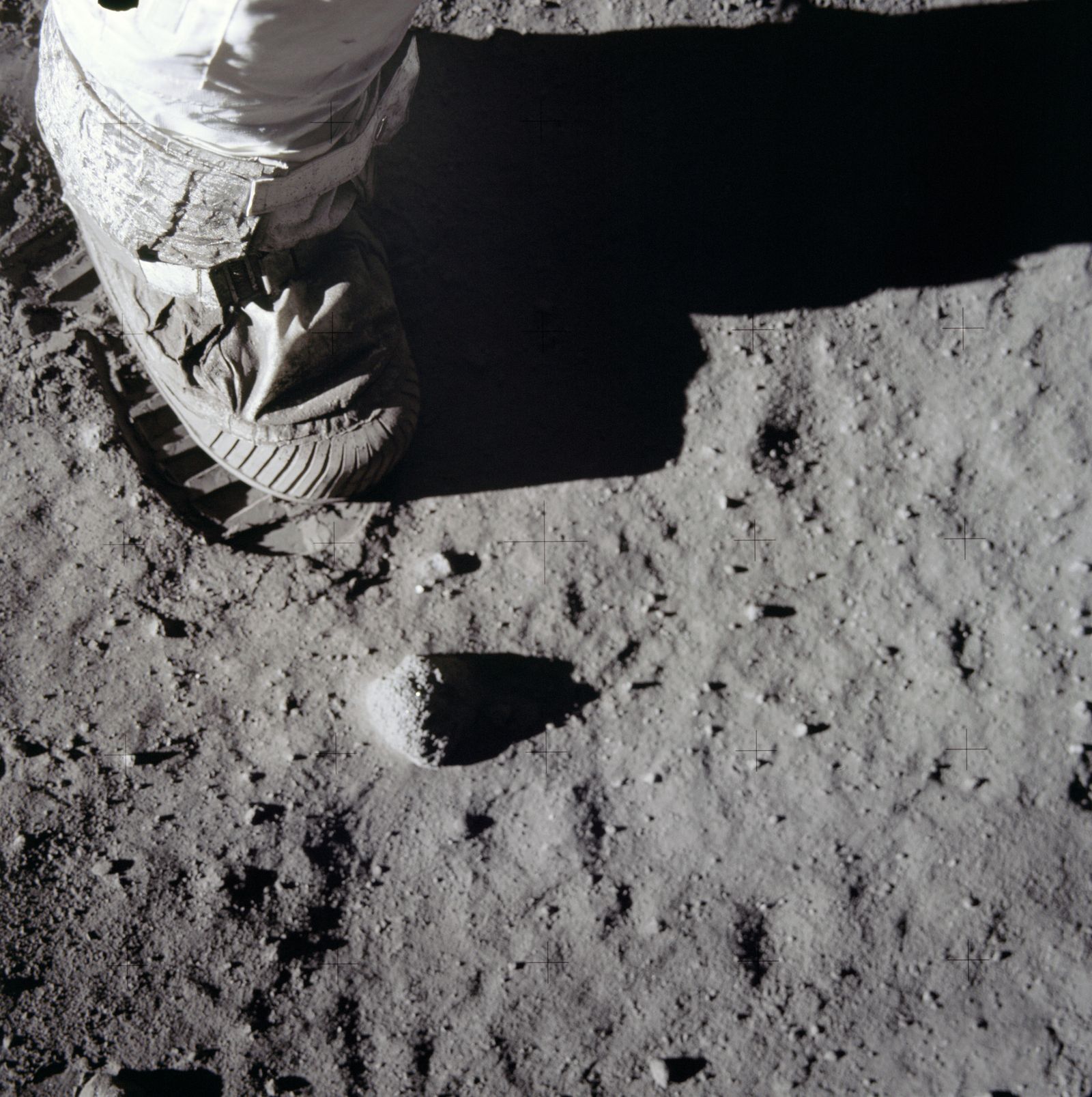
I walked outside after the initial hubbub died down. It was late afternoon, still bright. The Moon wasn’t visible yet — it wouldn’t be up until later. But I stood in my yard and I knew it was up there, and I knew that on its surface, in the Sea of Tranquility, there was a small, angular spacecraft with two men inside it, and the landing pads were resting on the surface, and the flag would go up soon, and the footprints would be made.
The Moon is not just a light anymore. It’s a place. We’ve been there.