Apollo 11 entered lunar orbit this afternoon.
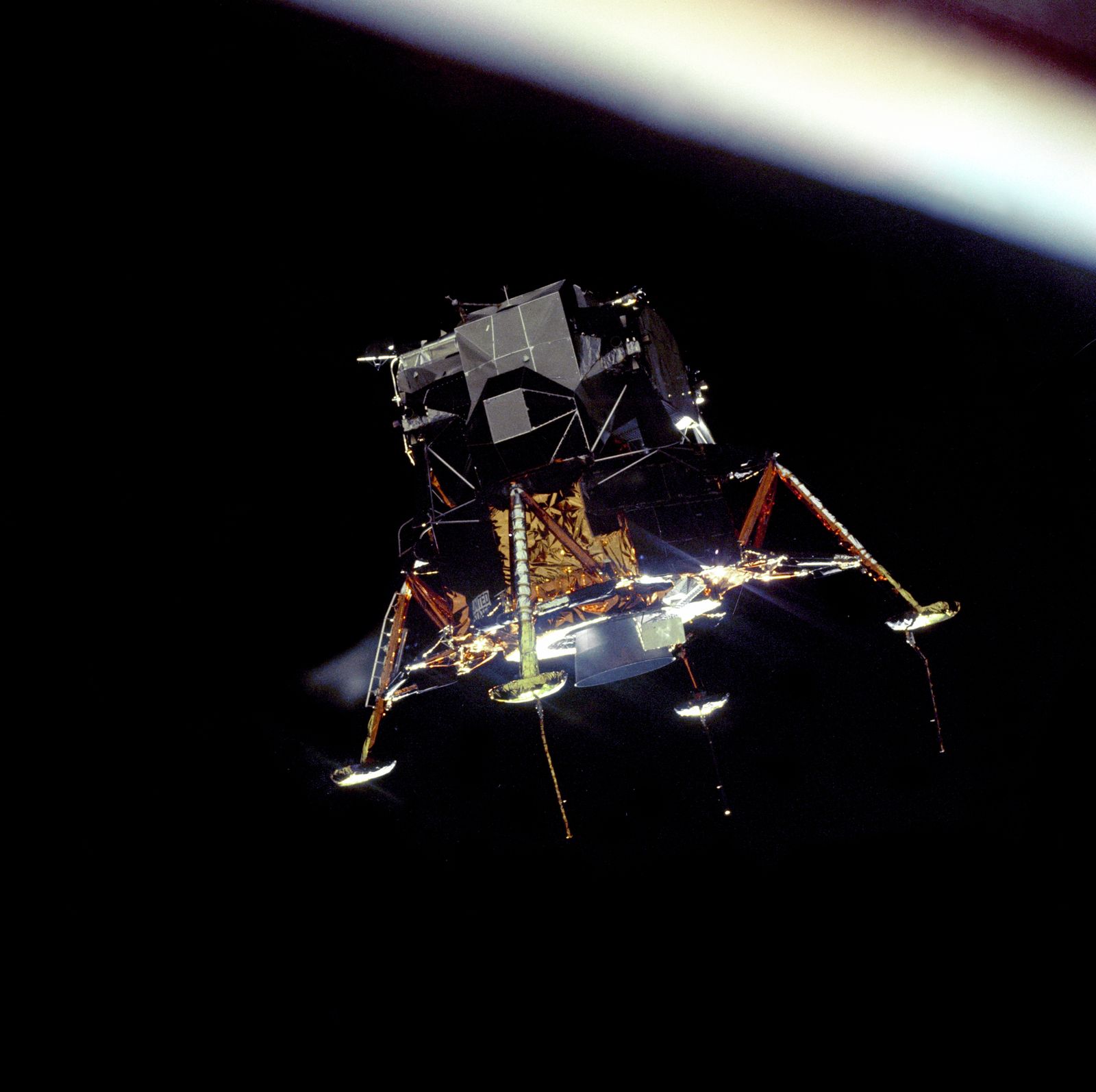
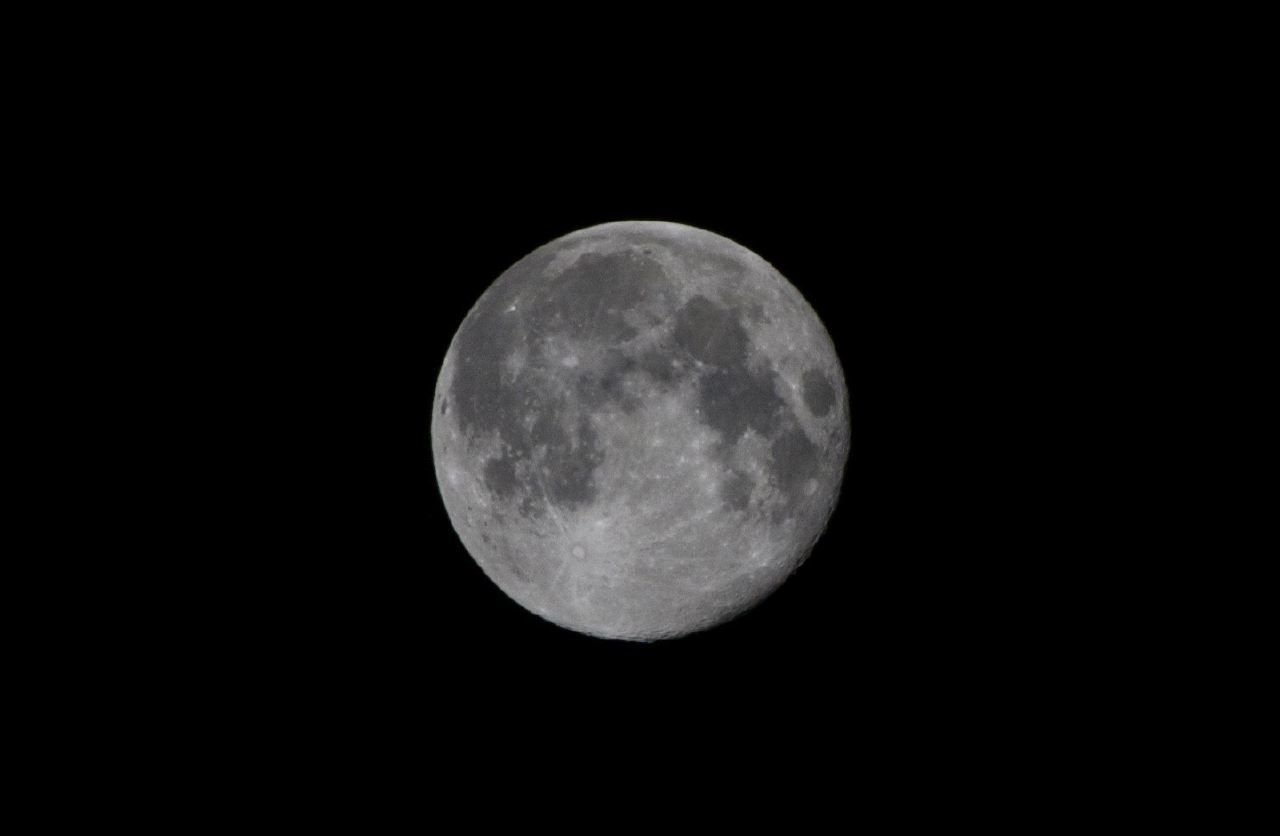
The service propulsion engine fired for six minutes and two seconds on the far side of the Moon — the side we can’t see, out of radio contact. For those six minutes, nobody on Earth knew what was happening. The spacecraft either slowed into lunar orbit or flew past the Moon and began a free-return trajectory home.
When radio contact was reestablished, Aldrin’s voice came through: they were in orbit. The burn had been “like perfect” — that was the phrasing from Mission Control’s reporting. Like perfect.
They’re in orbit around the Moon right now. Mike Collins in the command module. Armstrong and Aldrin going over the checklists for the lunar module. Tomorrow is the day.
I’ve been thinking about what it’s like for Collins to be where he is. He’s in lunar orbit — nobody but his two crewmates has ever been in lunar orbit, and they’re down in the lunar module right now while he flies alone. He’ll be the most isolated person in the history of the human race when he’s on the far side: out of contact with Earth, his crewmates on the surface, no radio in any direction. He said in an interview that he doesn’t feel lonely, that he has a good book and he trusts that they’ll come back. He said he felt the other twenty-four crewmates on all the previous missions with him.
That’s a generous spirit. A generous way to frame it.
Armstrong and Aldrin undock tomorrow morning. The powered descent begins about an hour after undocking. Then twelve minutes. Then touchdown or abort.
I’ve read that Armstrong’s heart rate during the Gemini 8 spin reached about 150 beats per minute. During the powered descent tomorrow it will probably be higher. Mine might be that high just watching.
I am not going to sleep well tonight. That seems appropriate.
Tomorrow, if everything works, two human beings will stand on the Moon.