It’s been two months since Grissom, White, and Chaffee died, and the investigation report is nearing completion. The public hearings have been painful — engineers testifying under oath about deficiencies they knew about and reported through channels, and about the channels that didn’t work.
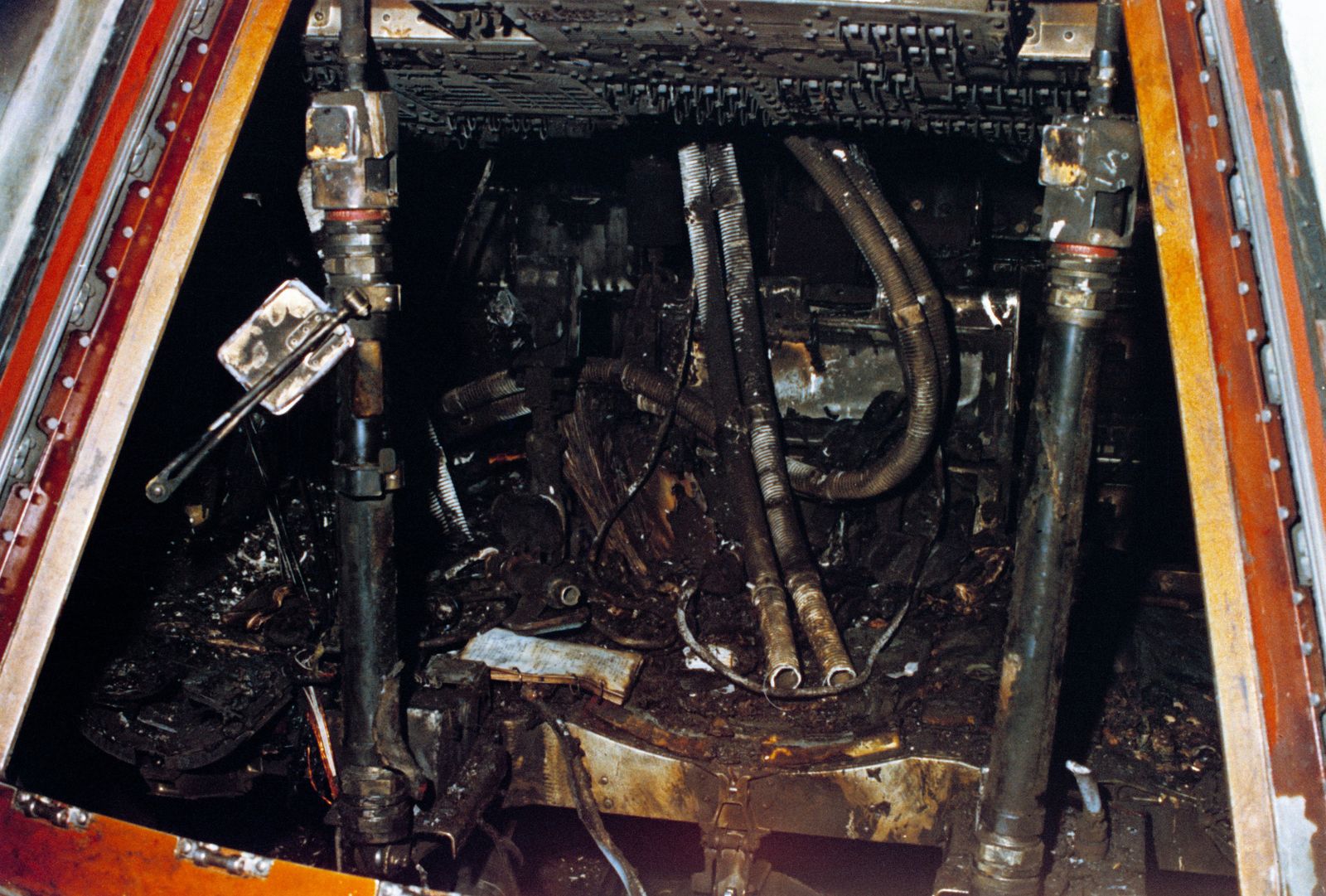
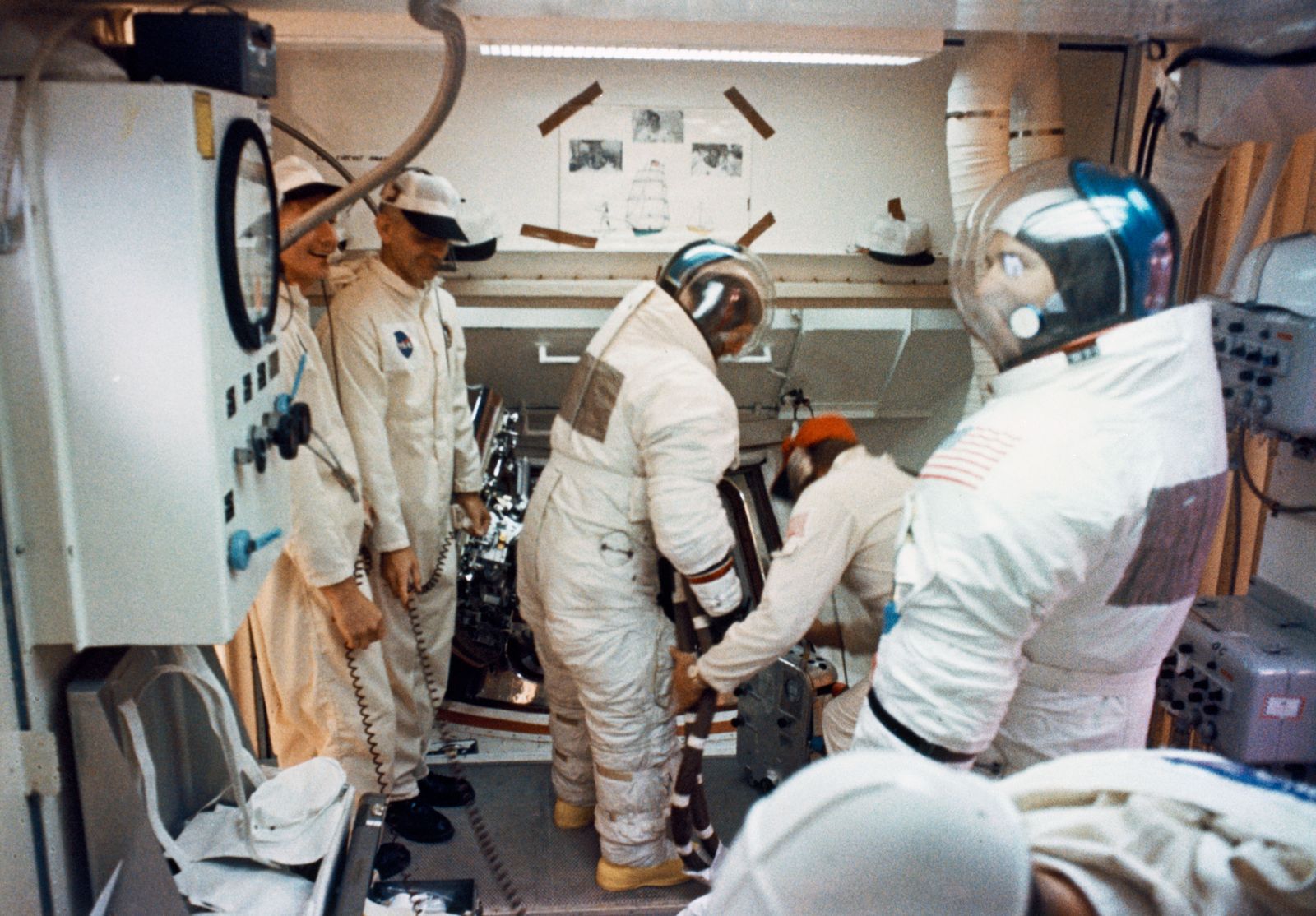
The review board will reportedly find widespread problems: the flammable Velcro and nylon foam, the inadequate hatch design, the wiring that was poorly routed and abraded in places, the quality control failures at North American Aviation, and a general culture of accepting risks that accumulated into a system that killed three men.
What comes next? Here’s my understanding of the major changes being made.
The hatch: The Block I capsule had a complex two-piece inner hatch that opened inward and was essentially impossible to open quickly under any pressure differential, including the small positive pressure of the oxygen atmosphere. The redesigned Block II hatch opens outward, single-piece, and can be opened in seven seconds from the inside.
The atmosphere: The pure oxygen atmosphere is being changed for the launch pad and initial ascent phases. The new plan uses a mixed oxygen/nitrogen atmosphere at launch (reducing fire risk significantly) and then transitions to pure oxygen at lower pressure in orbit. This requires redesigning the environmental control system but eliminates the most dangerous phase of the oxygen risk.
The materials: Velcro is being systematically replaced or coated with fire-retardant material. Nylon nets are replaced with stainless steel. Every square inch of material inside the redesigned capsule has been evaluated for flammability.
The wiring: 1.5 miles of wire are being rerouted, replaced, and protected with improved insulation. Junction boxes are being redesigned.
This is an enormous amount of work. The Block II capsule is essentially being rebuilt from the inside out, which means a year at minimum before another crewed flight. We are not going to make Kennedy’s by-the-end-of-the-decade goal on the original schedule. 1969 was always tight; it is now nearly impossible.
Nearly, I said. Not impossible.
James Webb, the NASA administrator, has said the agency is committed to moving forward. Congress has been difficult — there are hearings, there are accusations, there are the usual politicians who want to know who to blame. But the fundamental commitment to the Moon landing seems to be holding.
I’ve been thinking about Grissom again. He was the most experienced Apollo-era astronaut, the only Mercury veteran who flew in all three programs (Mercury, Gemini, Apollo). If he’d lived, I think he would have been the first man on the Moon. Not for certain — the crew assignment for the first landing mission would have depended on many factors. But he was good enough, and experienced enough, and trusted enough.
He was worried about his spacecraft. He was right. I hope the redesigned capsule is built with his concerns in mind — built with the knowledge that he was right and the people who dismissed him were wrong.
Build it right this time. Make it worthy of him.