Apollo 17 launches in December. Gene Cernan will command, Jack Schmitt will be lunar module pilot, Ron Evans will fly the command module.
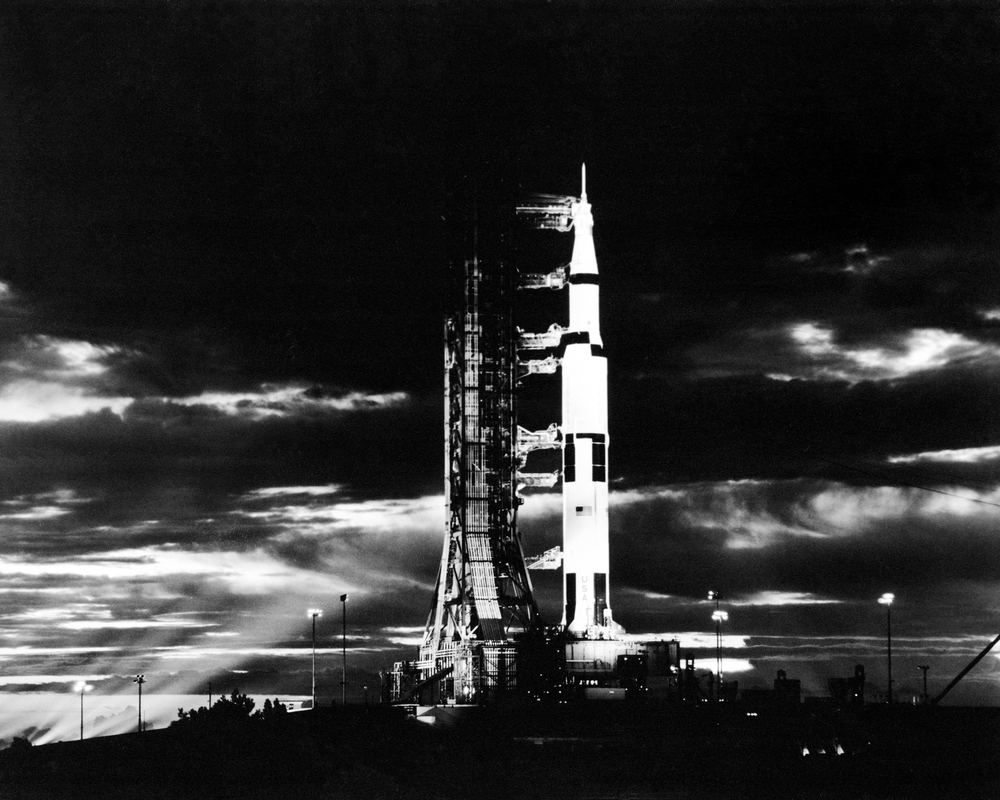
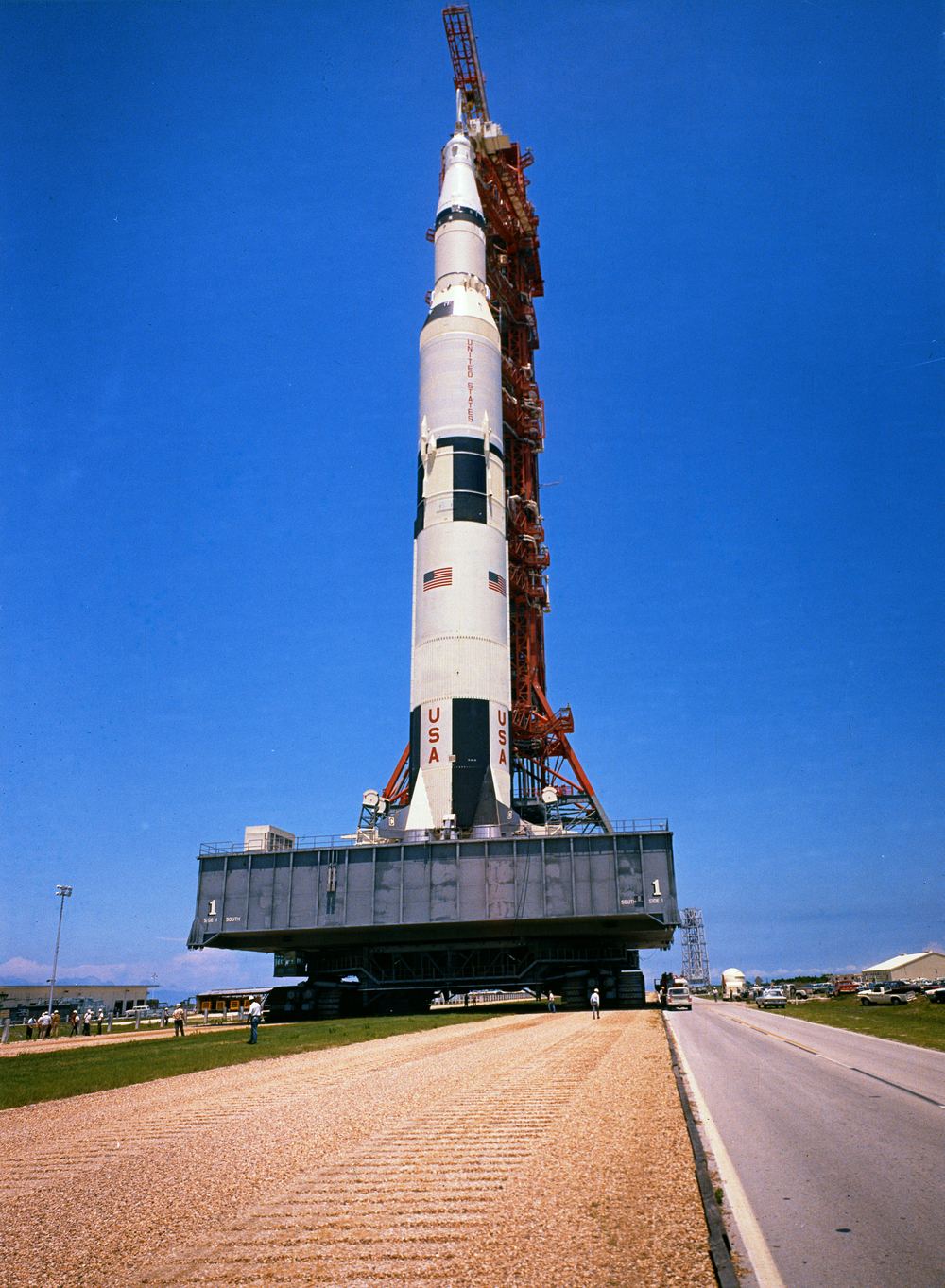
This will be the last.
I’ve known it was coming for a while — Apollo 18, 19, and 20 were cancelled in 1970, NASA’s budget having contracted significantly. There was never going to be an indefinite Apollo series; it was always going to end. But knowing the end is coming and knowing it’s December are different.
Cernan is the right commander for the last mission. He was the man who flew Snoopy to 47,000 feet above the Moon on Apollo 10 and had to pull back instead of landing. He was on the Moon’s doorstep and turned around because the mission design said turn around. Three years later, he gets to go back and land. That has a satisfying narrative shape to it.
Jack Schmitt is the first professional scientist — a geologist — to walk on the Moon. Every previous moonwalker was a pilot who had been trained in geology. Schmitt trained the others in geology; now he goes himself. He was picked specifically for this last mission because the scientific community pushed hard for a geologist, and NASA’s management agreed that with the program ending, the science case was paramount.
Ron Evans is another who’s been waiting a long time. A Navy pilot, Vietnam veteran, he’s flown support missions for test programs. Apollo 17 is his first and only spaceflight.
The Taurus-Littrow valley site is ambitious: a deep valley on the edge of the Serenitatis basin, with highlands rising 6,000 feet on both sides. The rocks there should sample both mare basalt and the ancient highlands. If they bring back a piece of the original lunar crust — anorthosite, which nobody has yet retrieved — this will be the mission that does it.
I’m watching. I’ll be watching in December. I’ll watch the last one as carefully as I watched the first.