Apollo 17 is the last lunar landing mission, and I’ve been spending some time lately thinking about what comes next.
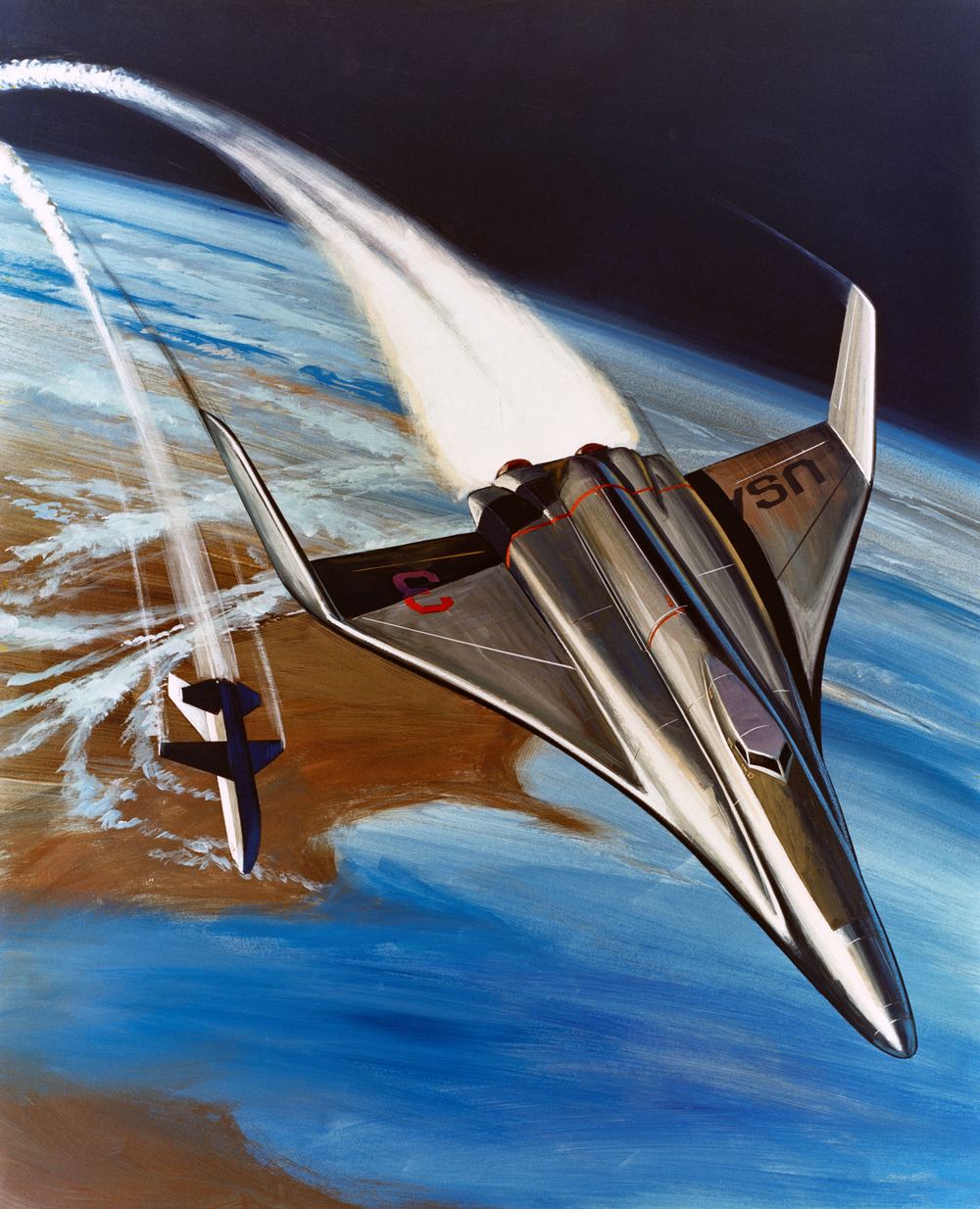
Nixon announced his support for the Space Shuttle program in January. The shuttle is a partially reusable spacecraft: the orbiter (the winged vehicle) flies to orbit and returns to land on a runway, like an airplane. The large external fuel tank is expendable, but the solid rocket boosters parachute down and are recovered. The concept is to reduce the cost of access to space by reusing the most expensive components.
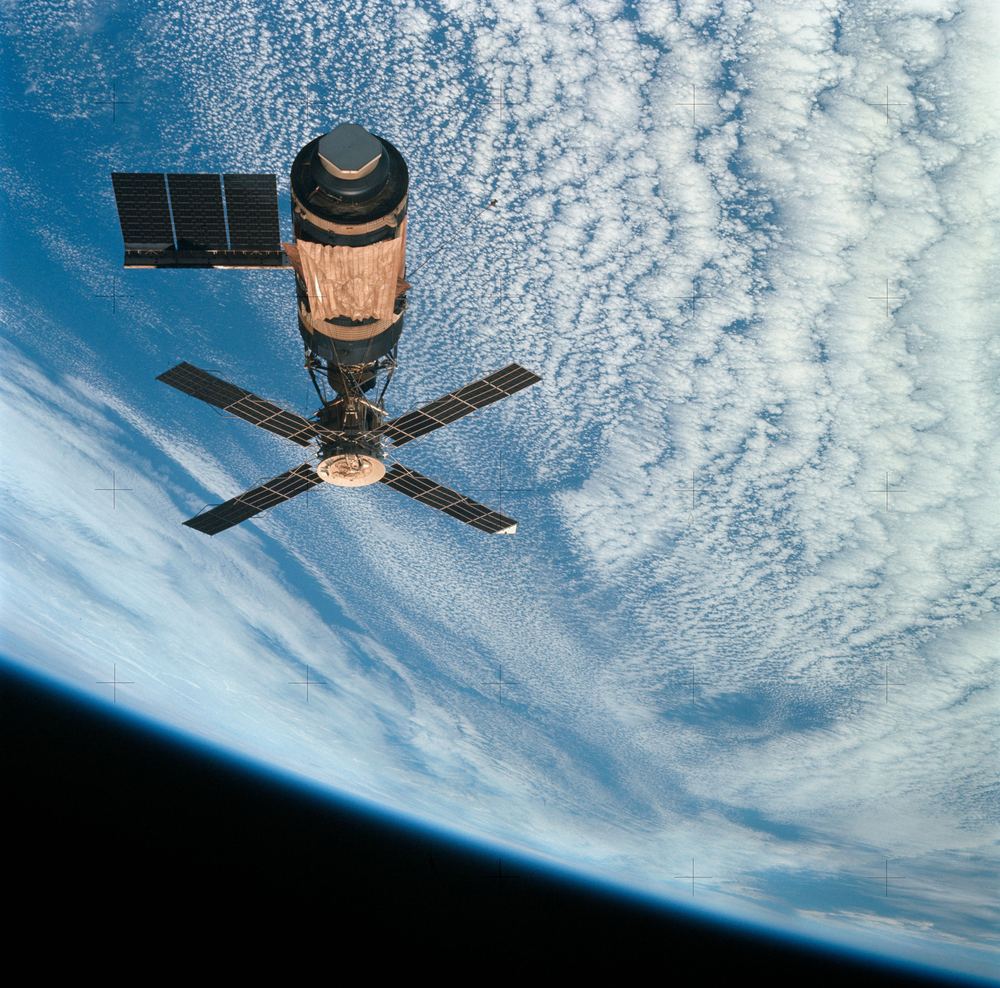
Skylab is coming before the shuttle — a space station, built from the third stage of a Saturn V rocket, to be launched unmanned and then occupied by three successive crews. The Skylab missions will study long-duration spaceflight (up to 84 days), solar physics, and Earth observation. Skylab launches in 1973.
Beyond Skylab and the Shuttle: I don’t know. The Mars mission that was being discussed in 1969 as a natural next step after the Moon seems to have evaporated. Nixon’s administration has no appetite for that level of investment. The space program is contracting, and it will continue to contract.
This is disappointing. But I try to be fair about it. The Apollo program cost about $25 billion ($150 billion in today’s dollars), employed 400,000 people, and consumed about 4% of the federal budget at its peak. That’s not sustainable indefinitely. Other things need money too.
The question for the long term: is the Space Shuttle going to be what it’s advertised to be? The promoters are selling it as a system that will reduce the cost of putting a pound in orbit from $1,000 to $100, fly 50 times a year, and make space routine. I’m skeptical that any flying machine as complex as the shuttle can be as reliable and inexpensive as an airliner. The complexity is too high.
But I’ve been wrong before about what this program can do. Maybe they’ll pull it off.
One more landing. Then a new era.