I learned recently that Buzz Aldrin took communion on the surface of the Moon.
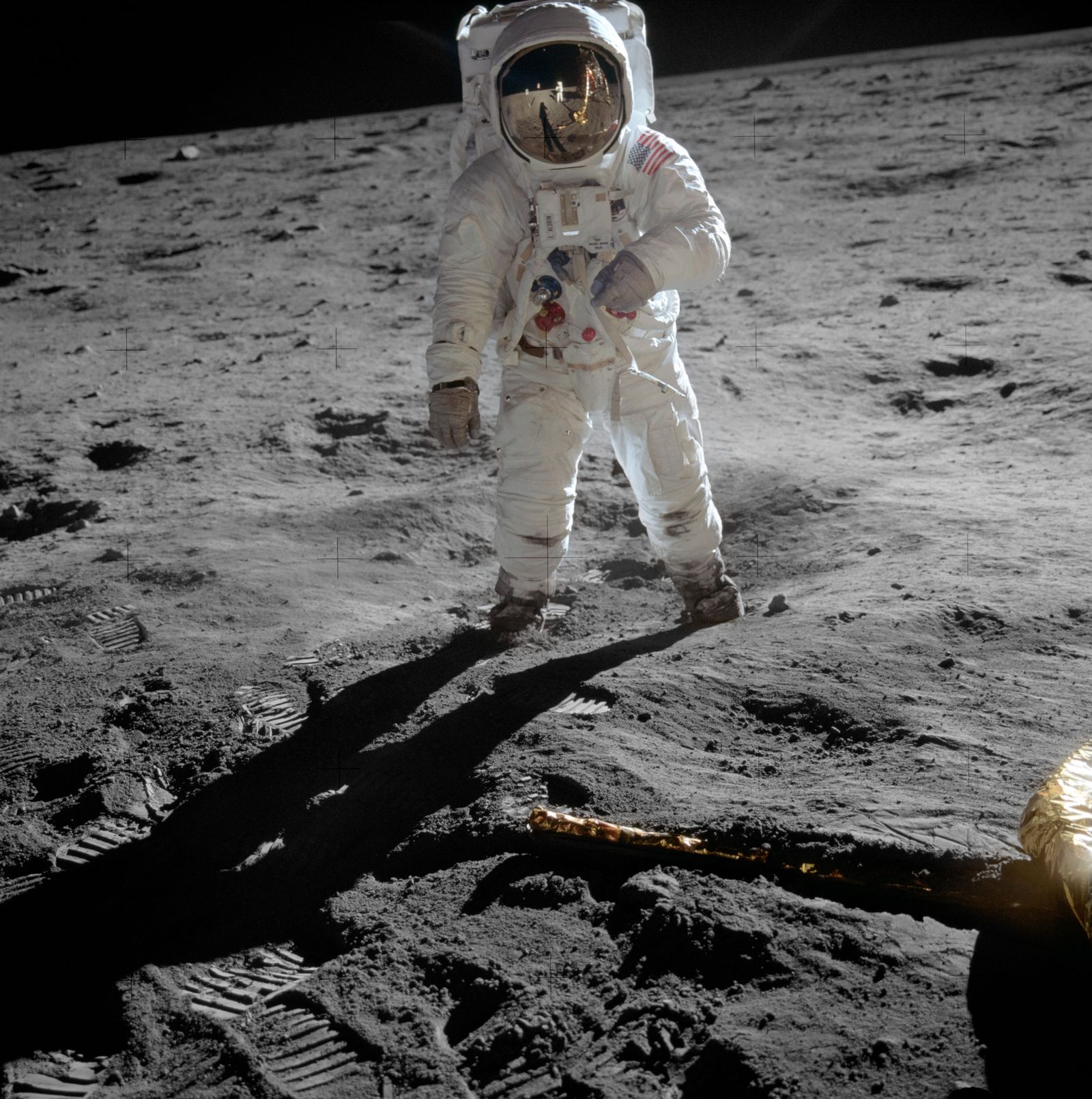
He was an elder at Webster Presbyterian Church in Houston. Before the mission, his pastor gave him a small kit: a vial of wine, a small host, a card with a Bible verse. The kit fit in a personal preference kit — the small collection of personal items each astronaut was allowed to bring.
Shortly after landing, while Armstrong was preparing for the EVA, Aldrin radioed: “I’d like to take this opportunity to ask every person listening in, whoever and wherever they may be, to pause for a moment and contemplate the events of the past few hours and to give thanks in his or her own way.”
He then performed a private communion, pouring the wine into a small chalice (one of the few liquids ever poured on the Moon’s surface), reading the Scripture quietly — “I am the vine, you are the branches” — and taking the elements.
He didn’t broadcast this publicly. He told his congregation about it afterward. He’s discussed it in interviews since.
I’ve been sitting with this for a few days. Not because I have a strong opinion about it either way, but because it feels important to the texture of what the Moon landing actually was.
It was not only an engineering achievement. It was a human event, with all the private interior life that human beings bring to significant moments. Armstrong was methodical and precise, every astronaut’s astronaut. Aldrin was the man who poured wine on the Moon and said a prayer, quietly, in the moments before stepping out.
Both of them were there. Both things are part of what happened on July 20.
The world saw Armstrong’s first step. Aldrin’s communion was private. Both are real.