While I’m waiting for the launch, I’ve been reading about what the Moon actually is — geologically, scientifically. We’re not just going to plant a flag. We’re visiting an ancient world that has recorded the history of the early solar system in a way the Earth cannot, because the Moon has no plate tectonics, no erosion, no weather. Things that happened 4 billion years ago are still visible on the surface.
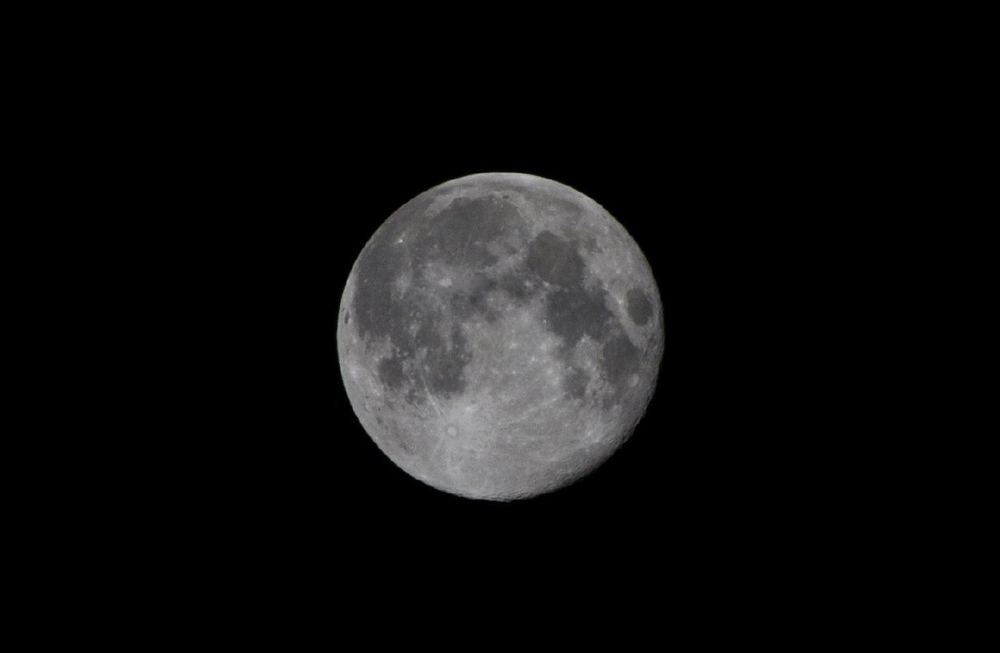
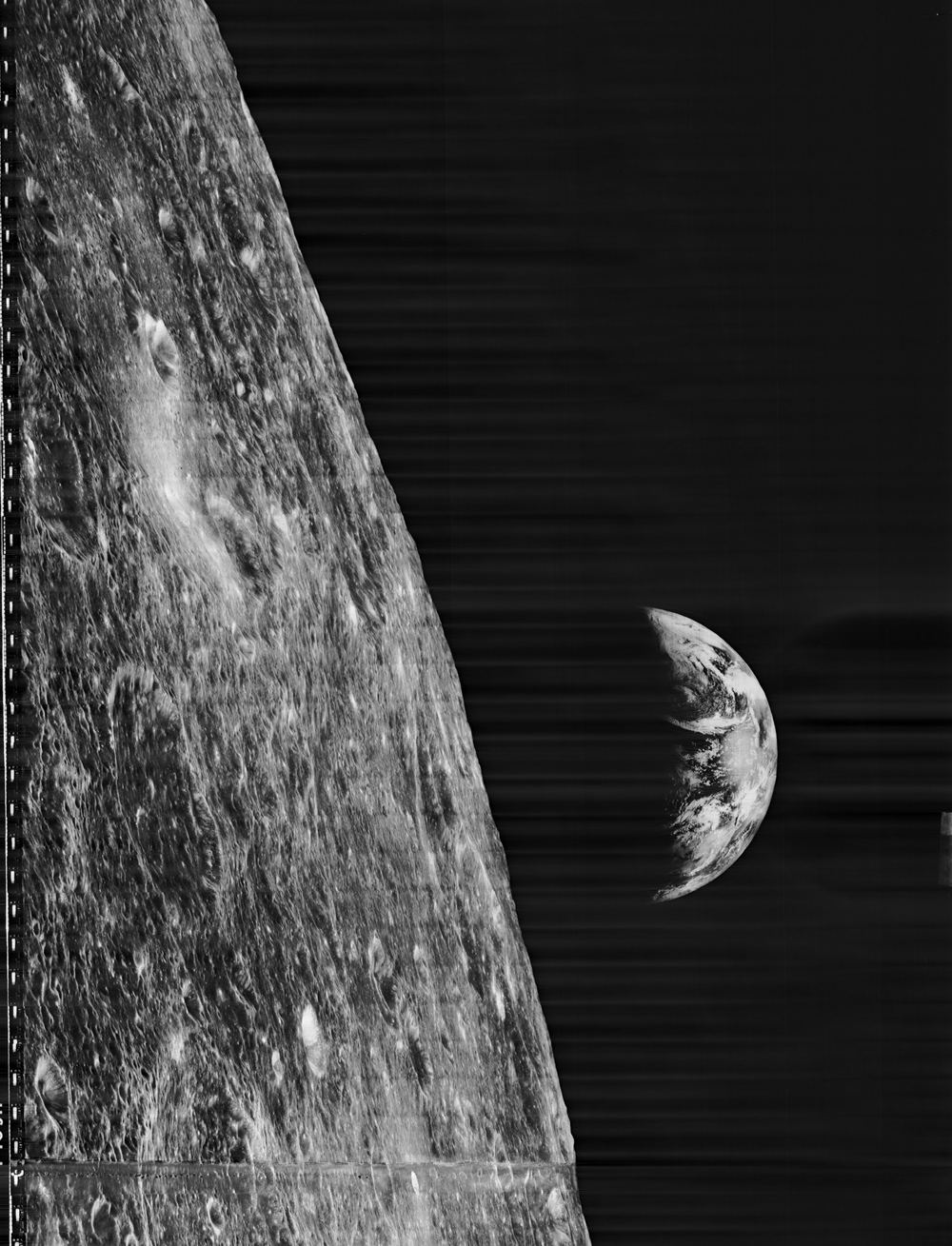
The Moon is roughly 4.5 billion years old — the same age as the Earth, because both formed from the same disk of material around the early Sun. The leading theory for the Moon’s origin (which is not fully settled, but is increasingly accepted) is that a Mars-sized object struck the early Earth about 4.5 billion years ago, and the resulting debris coalesced into the Moon. This explains why the Moon’s composition is similar to Earth’s mantle, and why it’s larger relative to its planet than any other moon in the solar system.
The surface has two main terrains. The highlands (light-colored in telescope images) are the ancient crust — anorthosite, a rock type formed when the early Moon had a global magma ocean. The highlands are 4 billion years old and are saturated with impact craters from the period of heavy bombardment that ended about 3.8 billion years ago.
The maria (Latin for “seas” — dark areas visible from Earth) are younger — about 3.5 to 3.8 billion years old. They formed when large asteroid impacts punched through the crust, allowing lava from the mantle to flood the impact basins. The lava cooled into basalt — a dark rock, which is why the maria are dark. The Sea of Tranquility, where Apollo 11 is landing, is a mare.
The surface everywhere is covered in regolith — pulverized rock, the product of billions of years of meteorite impacts grinding everything into dust and small fragments. On average, the regolith is 10 to 20 feet deep in the maria. This is why Surveyor’s landing proved the surface was firm enough: the regolith compacts under pressure.
The lunar samples Armstrong and Aldrin bring back will be extraordinarily valuable. We can date rocks by their radioactive decay products. Lunar samples will tell us exactly when the mare lava flows happened, how the lunar crust formed, what the bombardment history was. The scientific community has been planning for these samples for years.
I keep thinking about the rocks. Armstrong and Aldrin will bend down and pick up rocks that nobody has touched in 4 billion years. Objects that formed when the Earth was young, before life existed, before the oceans existed. They’ll put them in bags and bring them home and scientists will spend decades analyzing them.
That seems like a privilege beyond description.