I’ve spent the past few weeks trying to understand the powered descent to the lunar surface in detail, because I want to know exactly what Armstrong and Aldrin will be doing when they attempt it.
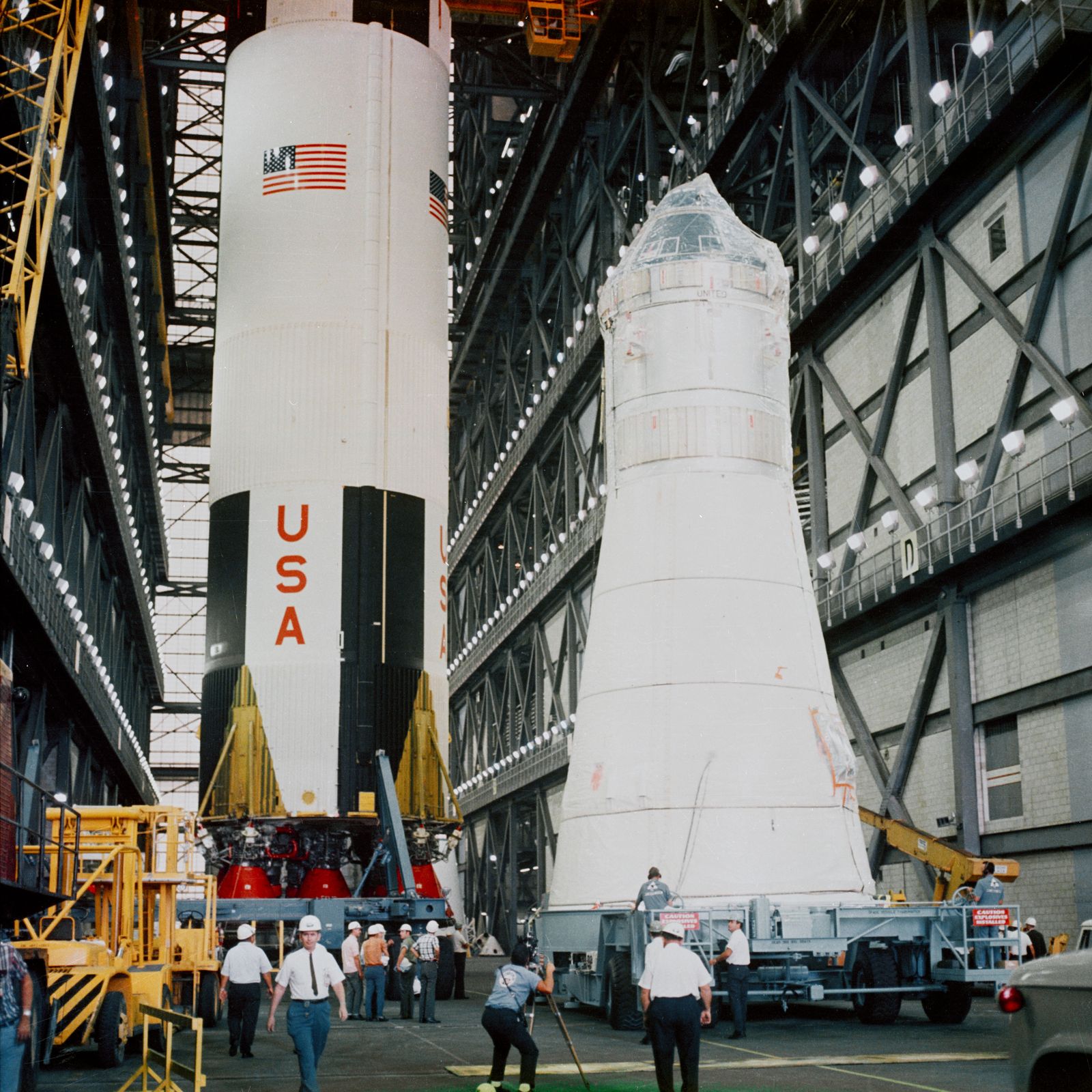
The descent from lunar orbit to the surface has several distinct phases, and the terminology matters.
Descent orbit insertion: The lunar module separates from the command module in circular orbit about 60 miles up. The descent engine fires briefly to lower the perilune (lowest point of orbit) to about 50,000 feet — this is the point from which the powered descent begins.
Powered descent initiation (PDI): The descent engine fires at 50,000 feet, beginning the braking burn. The engine is throttleable — unique among rocket engines at the time — which means the thrust can be varied from about 10% to 92% of maximum. This is necessary because the guidance computer needs to be able to adjust the trajectory precisely. A non-throttleable engine would mean less control, more approximation.
Braking phase: The first several minutes of powered descent slow the spacecraft from orbital velocity (about 5,500 feet per second) to near zero horizontal velocity. During most of this phase, the lunar module is flying face-down — the astronauts are looking away from the surface. They’re monitoring instruments and trusting the guidance computer.
Approach phase: Beginning at about 7,500 feet altitude, the lunar module pitches forward so the crew can see the surface. This is when they can actually look at where they’re going.
Final approach and landing: Below about 500 feet, the commander takes manual control of the horizontal position, while the computer still controls the descent rate. The commander flies the lunar module like a helicopter to avoid large boulders, craters, or slopes that the approach trajectory might be aiming at.
Touchdown: The landing legs absorb the contact. A probe on one of the legs (about 5 feet long) touches first and triggers a “contact” light. The crew shuts down the engine immediately — the engine plume could erode the surface and destabilize the lander if left running.
The whole powered descent takes about 12 minutes from PDI to touchdown. Twelve minutes, from 50,000 feet above the surface of another world to standing on it.
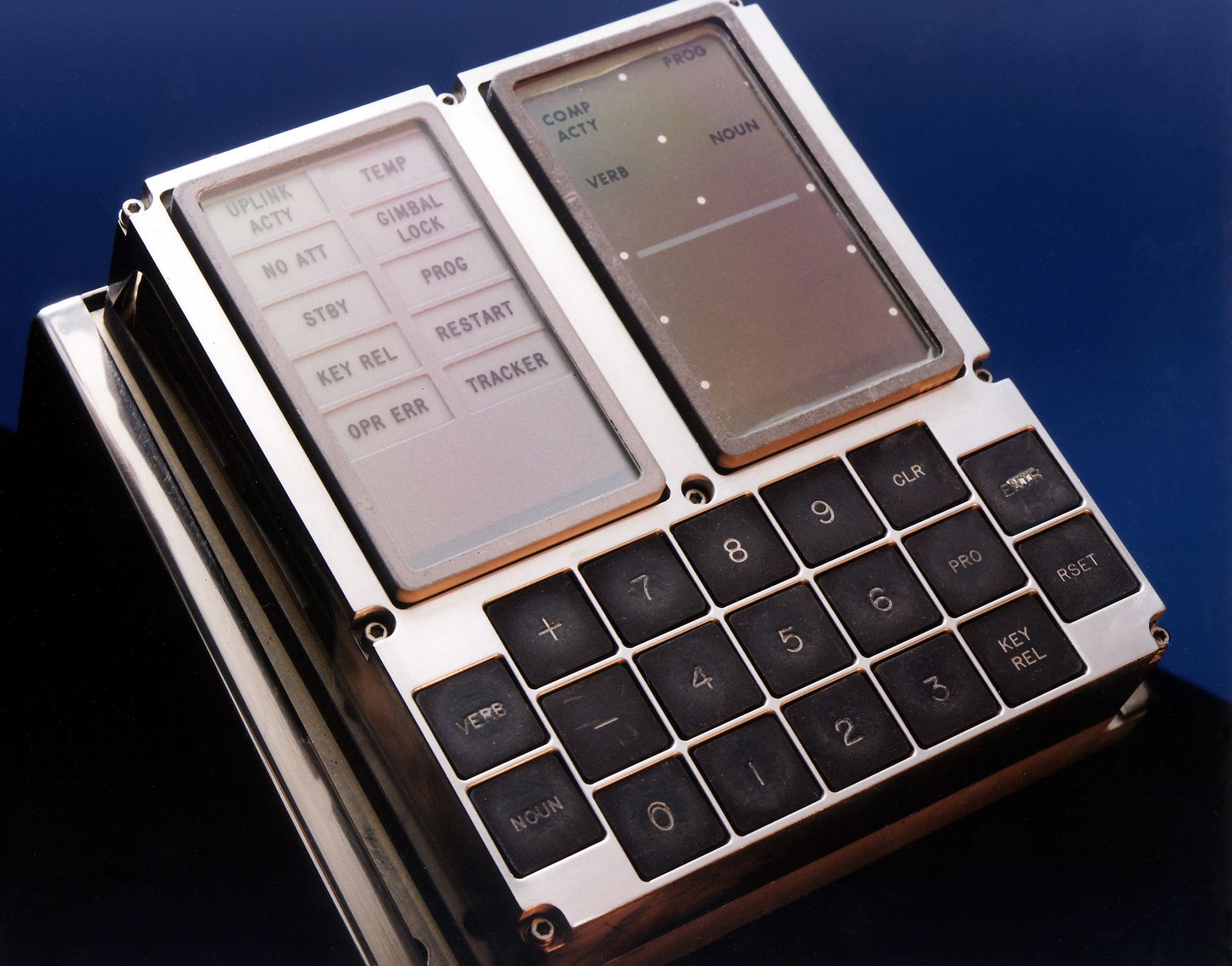
I’ve been reading about the “program alarms” that the guidance computer might generate. The computer can throw various alarm codes — 1202, 1201, etc. — that mean the executive program (the operating system) is overloaded and aborting lower-priority tasks. The guidance computer people know about this. They’re hoping it doesn’t happen on the first real landing.
Twelve minutes. I’ll be in front of the television for every second of it.