July Fourth, 1968. We went to Harold and Edna’s for the cookout and watched the fireworks from their backyard, and I kept thinking about what it means to be American right now.
The year is half over. We’ve survived Tet, we’ve survived King, we’ve survived Kennedy — Bobby Kennedy, I mean, though we had to survive Dallas Kennedy too, five years ago. The war is still going. The cities are quieter but not healed. The Democratic primary is a chaos of grief and anger and competing visions of what the country should be.
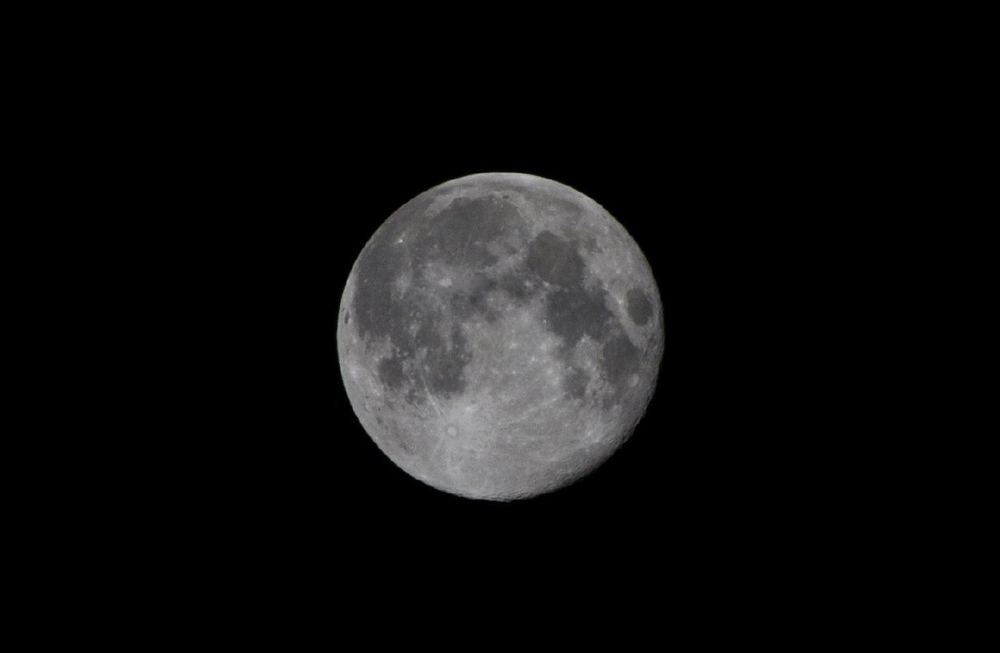
And somewhere in Houston, a team of engineers and astronauts and flight controllers is building the systems that will take people to the Moon in December and possibly land them there next summer.
I’ve been thinking about what space means as a national project. The easy version is: space is what America does instead of solving problems on Earth, a distraction, a prestige project that benefits engineers and aerospace companies while other priorities go unmet.
I don’t think that’s right, but I don’t think it’s entirely wrong either.
What I think: the space program is evidence that the country is still capable of doing extraordinary things, even in bad years. It doesn’t solve poverty or end the war or bring King back. But it demonstrates that the institutional machinery of American science and engineering and public investment can function — can actually function — at the highest level of human capability.
That’s not nothing. In a year when a lot of American institutions seem to be failing or fracturing, the space program is quietly, methodically, successfully doing something impossible.
The fireworks tonight were over Harold’s house in a suburban Ohio evening. The Fourth of July, the founding declaration, the promise of what this country is supposed to be.
We’re going to the Moon. Not because it proves the promise kept, but because it’s evidence that the capability still exists. That we can still do things, if we try.
Happy Fourth. We’re still trying.