The preliminary findings are in the newspapers now, and I have been reading everything I can get my hands on. I want to understand what happened. I owe them that much, I think — the men who died. Understanding what went wrong is the beginning of making sure it doesn’t happen again.
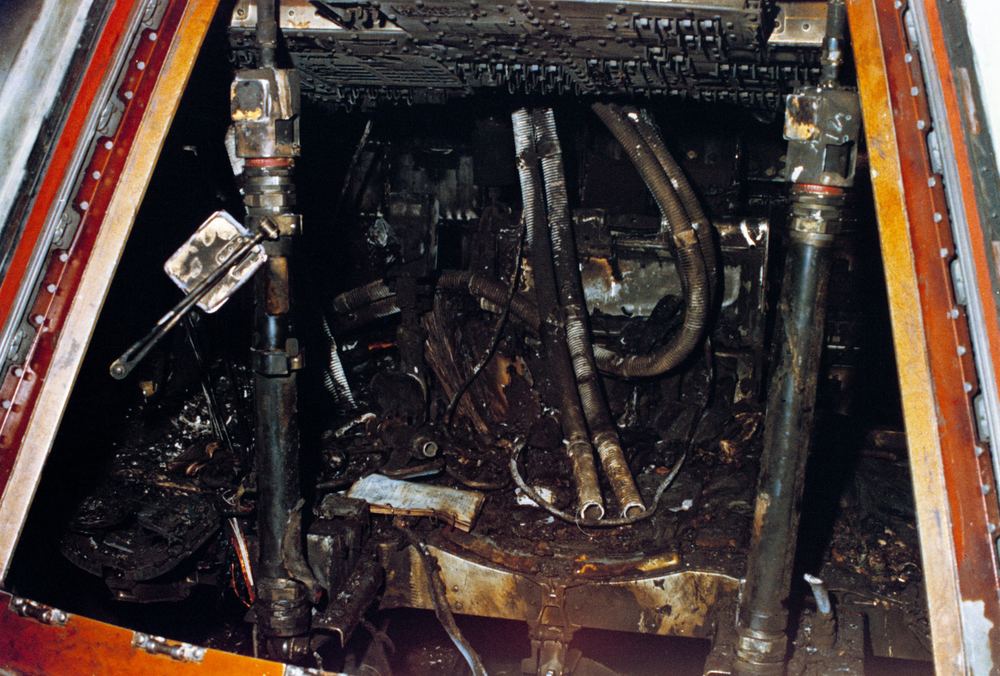
Here is what the investigation is finding:
The atmosphere inside the Apollo command module during ground testing was pure oxygen at a pressure slightly higher than sea level air. This is the atmosphere they’ve been using since Mercury. In pure oxygen, things that would smolder in regular air burn quickly and intensely. Everything is more flammable. A spark that would go out instantly in normal air becomes a disaster in pure oxygen.
The spacecraft had an enormous amount of flammable material inside it. Velcro was everywhere — astronauts used it to stick things to the walls, to hold equipment in place. Nylon netting. Foam padding. Wiring with plastic insulation. The inside of the spacecraft was, in retrospect, something like a tinderbox sitting in a pure oxygen atmosphere at elevated pressure.
The hatch. The Apollo hatch opened inward, and required the crew to equalize the internal and external pressure before they could open it. Under normal conditions, this took about ninety seconds. But when the fire started, the internal pressure spiked rapidly as the fire consumed oxygen and generated heat. The higher the pressure differential, the harder the hatch became to open. Ed White died trying to open it. By the time the pad crew outside managed to open it — which took about five minutes after the fire — it was too late.
The source of the ignition hasn’t been pinpointed exactly. There was a bundle of wiring in the lower-left area of the cabin that showed signs of arcing. There had been problems with wiring chafing in the spacecraft for months — quality control issues at North American Aviation, the contractor that built the Command Module. Congress is looking into this. There are reports of serious quality problems in the spacecraft manufacturing process, of corners cut, of issues flagged and not fixed.
I have to be honest: reading all of this is infuriating. Not at any one person. At the system. At the combination of a pure oxygen atmosphere and flammable materials and a hatch that couldn’t be opened under pressure and wiring that wasn’t right and pressure from above to meet the launch schedule. Any one of these factors alone might not have been fatal. Together they were.
What makes it worse is the knowledge that some of this — not all, but some — was known. Grissom himself had complained about the quality of the spacecraft. He had famously hung a lemon on the simulator in the building. He was not happy with the state of the spacecraft.
He was right. He was right and he died in it anyway, because that is the contract these men signed. They accept the risks. They trust the engineers and the contractors and the managers to have done their jobs. Sometimes the trust is misplaced.
The program is stopped now. NASA has created a review board. Congress is investigating. North American Aviation is being examined carefully. Everything will be redesigned — the hatch first, so it opens outward and quickly. The flammable materials will be replaced with fireproof ones. The atmosphere in the cabin during ground testing will be changed.
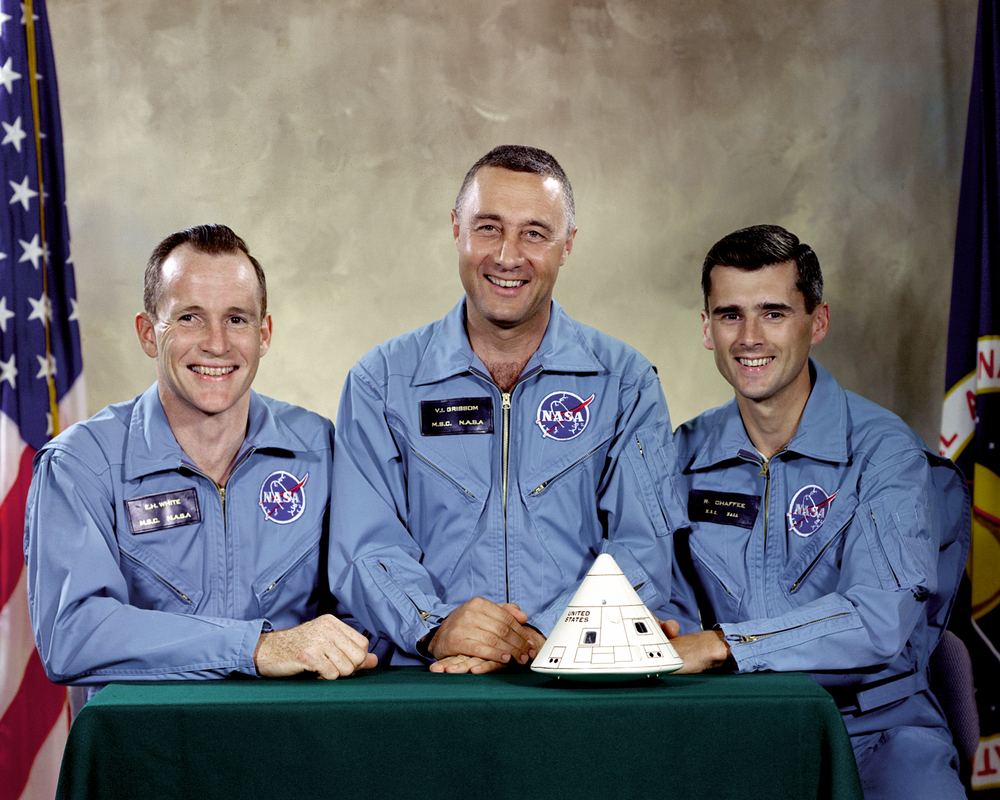
Grissom, White, and Chaffee died because of design flaws that were not corrected in time. Their deaths are going to force corrections that will make the spacecraft safer for everyone who follows them. This is not a comfort exactly. But it’s what I keep trying to hold onto.
They were right there. They were on the ground, in a spacecraft that was going to go to the Moon eventually, and they never got to go. They never got to see what they had been training for.
I’m angry. I think I have a right to be angry.