I’ve been reading between the lines of what’s being reported about Apollo 1 and I’m worried.
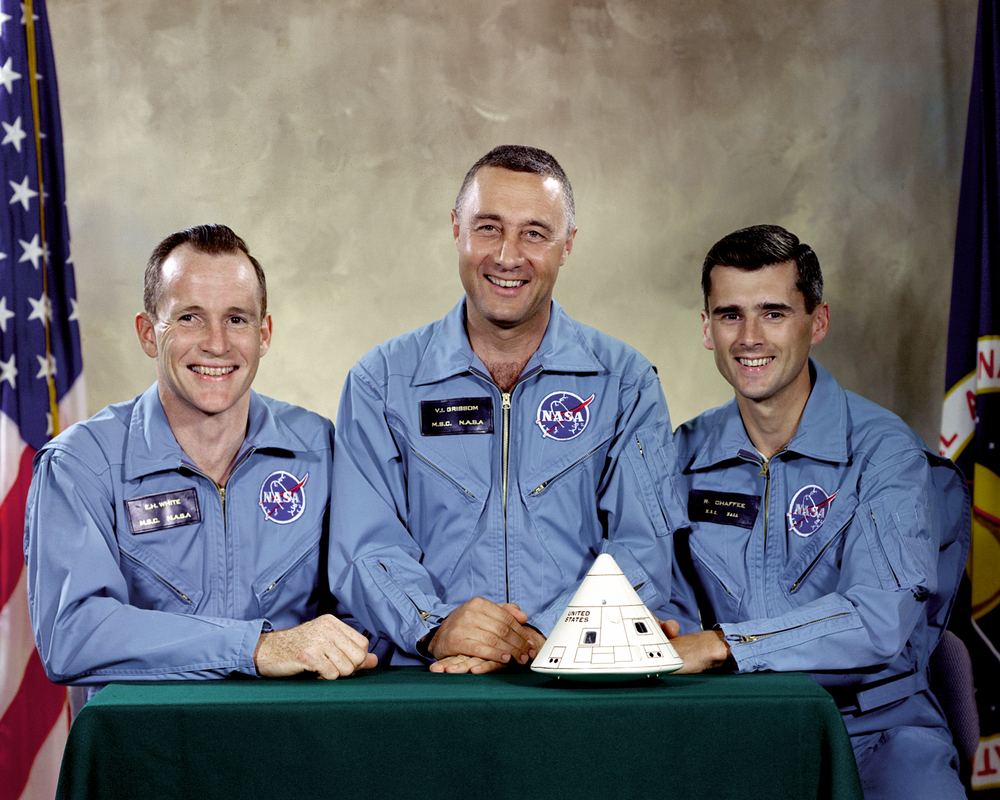
The Apollo 1 capsule — the first crewed Block I command module, assigned to Grissom, White, and Chaffee for the first crewed Apollo flight — has been having problems. I say “problems” loosely because the public reporting is vague, but there are enough hints in engineering publications and in the occasional candid comment from unnamed sources to suggest that the spacecraft is not in the state it should be.
Grissom reportedly hung a lemon on the spacecraft at some point, which is the kind of sardonic commentary you make when you’re deeply frustrated with a system’s reliability. He has reportedly told his wife Betty that if there’s ever a serious accident, it would set the program back two years. He told this to his wife. That is not the voice of a man with confidence in his machine.
The Command Module is built by North American Aviation. There have been management problems there — schedule pressure, cost overruns, quality control issues. The spacecraft has something like three miles of wiring, roughly the same as a medium-sized commercial aircraft, packed into a much smaller space. The environmental control system has had problems. There are flammable materials throughout the cabin — Velcro, nylon netting, foam padding. The atmosphere inside the capsule during the upcoming test will be 100% oxygen at slightly above atmospheric pressure, which dramatically reduces combustion requirements.
Pure oxygen. Flammable materials. Poorly managed wiring. I’m not an engineer, but I can read a list of hazards.
The upcoming test is a “plugs out” test — all umbilicals disconnected, running on internal power, simulating flight conditions on the pad. It’s not considered a high-risk test because there’s no fuel in the rocket. The launch isn’t until February. I assume the engineers know what they’re doing. I assume the hundreds of people who have touched this spacecraft have been checking their work.
I hope I’m wrong to be worried. Grissom has been right about things before that nobody wanted to hear. He knows aircraft and spacecraft. If he’s worried, that means something.
But I’ve been wrong in my worries before. The Atlas rocket that Glenn flew had had failures; Glenn went up fine. The Gemini 8 spin was terrifying from the outside; Armstrong brought them home. The hazards I’ve listed above are known to the engineers; they presumably have mitigations.
I’m probably being the anxious spectator again, finding danger in the shadows of incomplete information.
The flight is scheduled for February 21. I’ll be watching.