What is the Soviet lunar program actually doing? The question is frustrating because so little is officially known.
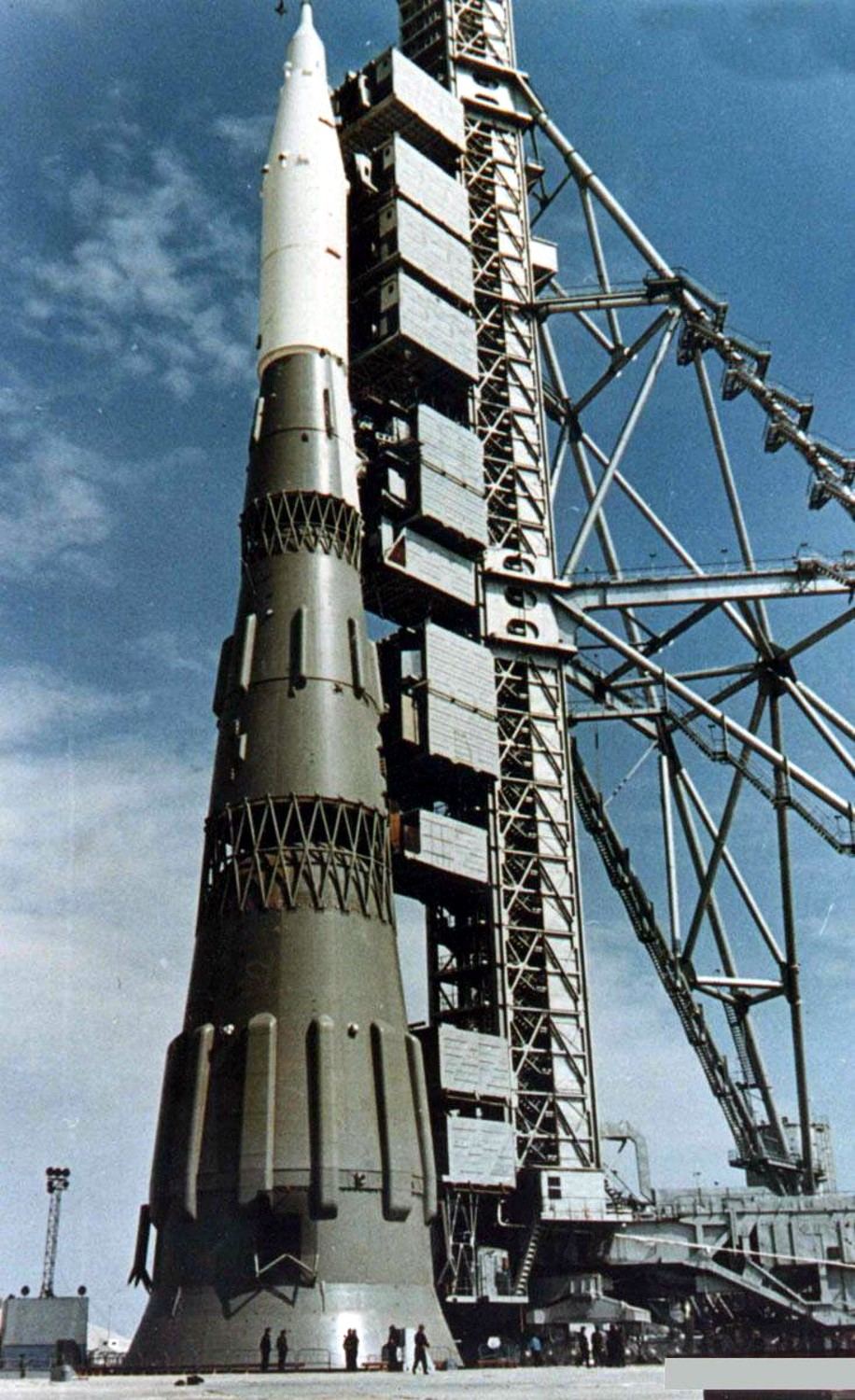
What’s been reported publicly, with varying degrees of reliability: The Soviets are developing a large rocket called the N1, analogous to our Saturn V. It has thirty NK-15 engines on the first stage (compared to our five F-1 engines). Thirty engines is an enormous engineering challenge — the more engines, the more complex the plumbing and the greater the probability of an engine failure. Our F-1 engines are much larger than their NK-15s; we chose fewer, bigger engines. The two choices reflect different engineering philosophies.
The N1 has not yet been tested publicly (as of my last information). We know about it primarily from satellite reconnaissance and from the observations of Western observers at Soviet facilities. It’s a secret program in a way that NASA is explicitly not — Congress mandated that NASA be open, which is why we’re watching launches on television while the Soviets announce results after the fact.
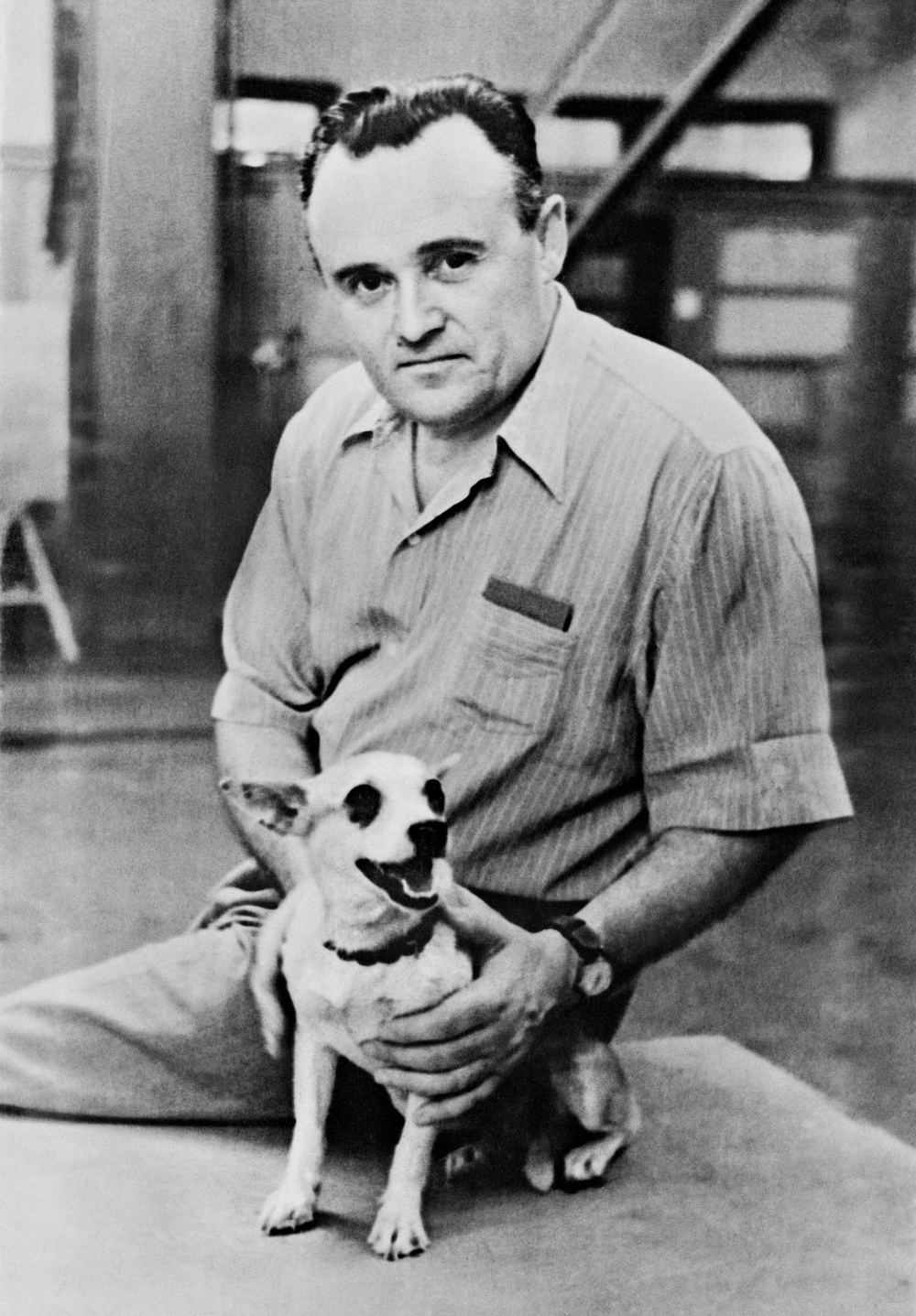
Sergei Korolev died in January 1966. This is a significant loss for the Soviet program. Korolev was the organizing genius behind Sputnik, Vostok, and the overall Soviet space effort — a man with the technical brilliance, the management authority, and the political connections to hold a complex program together. He also kept his identity secret from the Western public; we only know he was the “Chief Designer” from Soviet press references. His real name wasn’t known in the West until after his death.
Who replaces Korolev is unclear. Different reports name different engineers. This kind of leadership transition is disruptive in any program.
My assessment, for what it’s worth: the Soviet lunar program is real, well-funded, and aiming at either a manned landing or at minimum a manned lunar flyby before Apollo can get there. They won’t succeed at landing first — I believe our program is too far ahead now — but the flyby possibility is real. The Zond program is designed for exactly that.
I could be wrong. The intelligence community doesn’t tell me things, and I’m reading between lines that may be misleading.
But I believe we’re ahead. I believe the Saturn V is a better machine than the N1, and our mission planning is better, and our training is more systematic, and our public accountability has made our program more honest with itself about problems.
I think we win. I’m not certain.