How do you train for weightlessness on Earth?
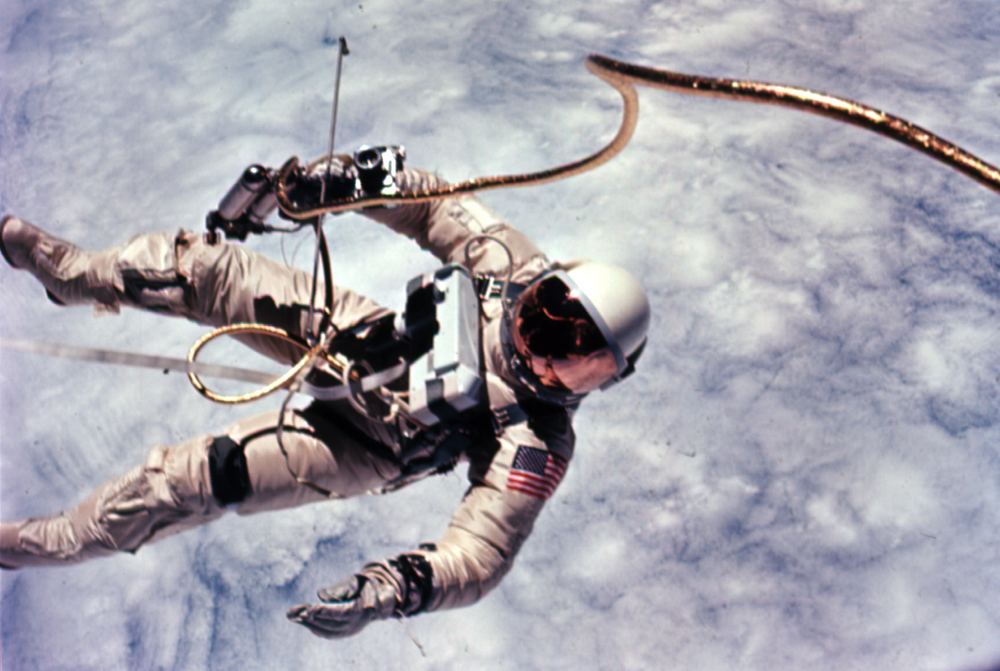
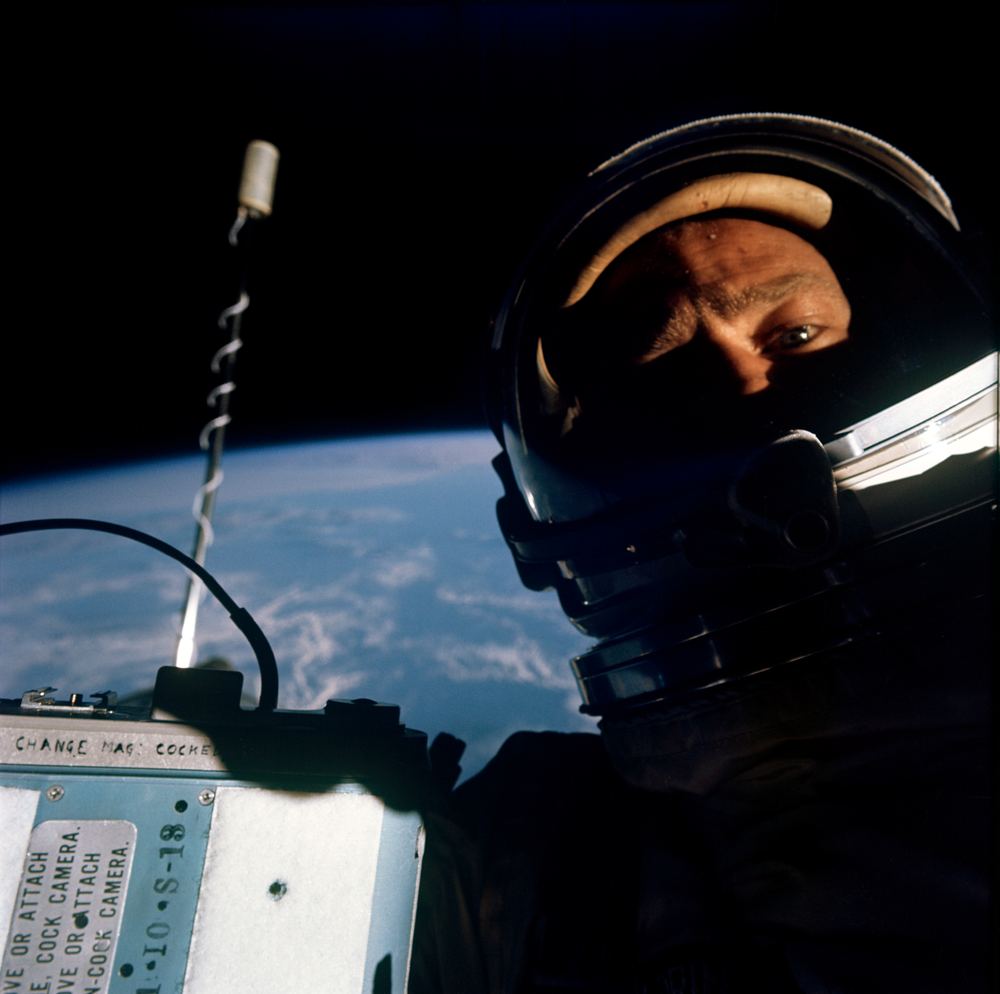
The answer is parabolic flight. A modified transport aircraft — currently a KC-135 tanker — flies a specific arc: nose up at 45 degrees, then over the top of the arc, then nose down at 45 degrees. At the top of the arc, for about 25-30 seconds, everyone and everything inside the aircraft is in free fall. True weightlessness.
They call it the Vomit Comet. This is accurate.
The aircraft does this repeatedly — 40-60 parabolas per flight — and each parabola gives 25-30 seconds of free fall. Between parabolas, there’s a pull-up that creates about 1.8 Gs (nearly twice normal gravity) as the aircraft repositions for the next arc.
The experience: everything floats. Water forms spheres. Crumbs drift. Equipment drifts. Your body drifts unless you hold on. You have to relearn how to move: in weightlessness, pushing against a surface sends you flying; you have to push gently and expect to rotate if the push isn’t through your center of mass. Simple tasks — turning a screw, eating from a spoon — become completely different.
The astronauts use the KC-135 parabolas to practice procedures: donning and doffing spacesuits, eating and drinking, operating controls, doing EVA tasks. The 25-30 seconds is enough to understand the basic challenge, though it’s obviously not sufficient for the full experience of days in space.
The nausea comes from the inner ear, which is designed to detect gravity. In free fall, the otoliths (calcium crystals that normally settle toward the floor of the inner ear chamber) float freely, sending confusing signals to the brain. Most people adapt after a few parabolas; some people adapt only after days in actual space (full weightlessness); some people never fully adapt and deal with space motion sickness for the early days of every mission.
The astronauts I’ve read about take varying approaches to the nausea question. Most say they’ve adapted. A few admit to having issues early in missions. Nobody describes it as pleasant.
The training aircraft is unglamorous. The airport is a military base. The equipment is a KC-135, not a spacecraft. And yet this is where the astronauts learn how to float.