The Soviets launched two Vostok spacecraft in two days and flew them in near-formation for the better part of four days.
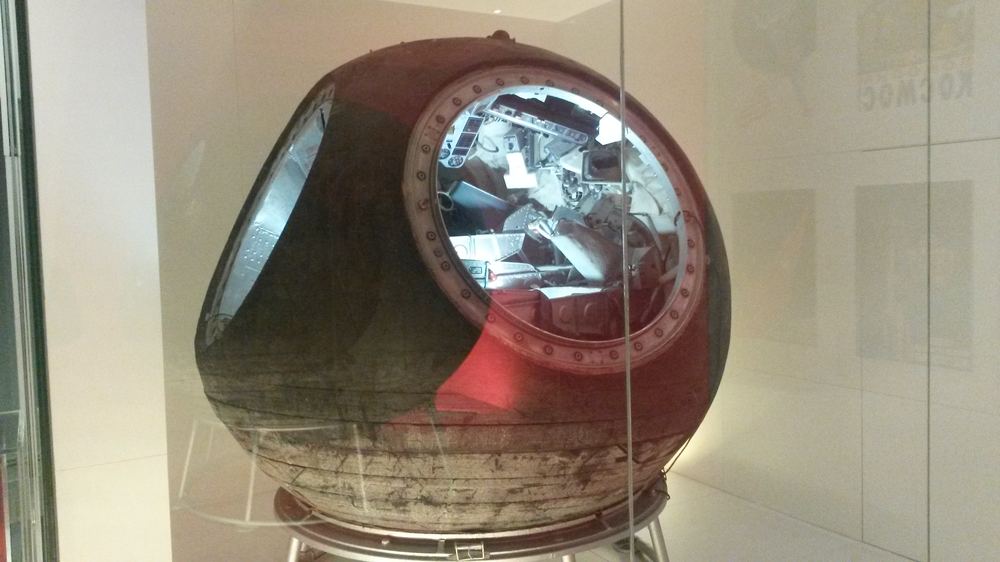
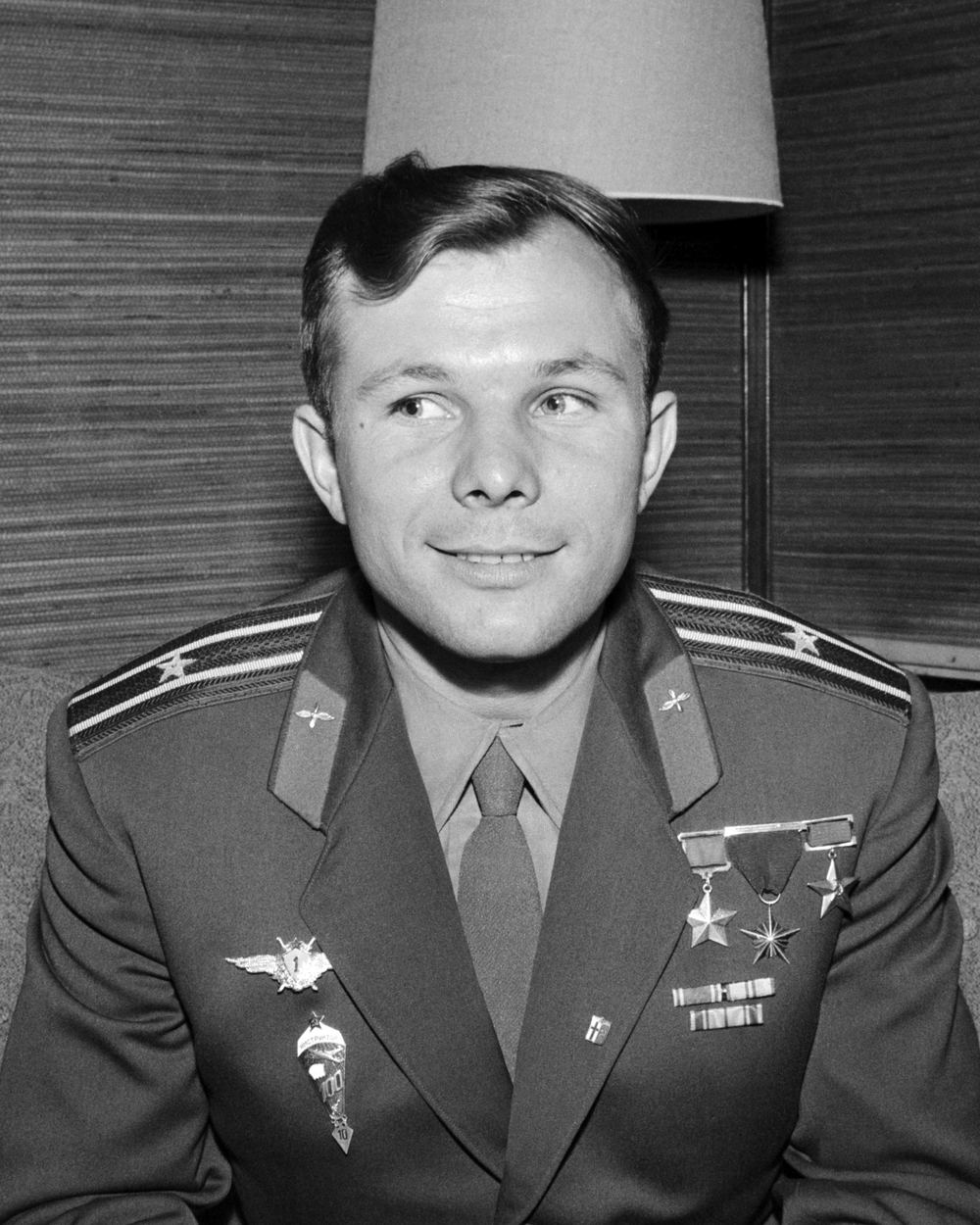
Vostok 3 launched on August 11 with Andrian Nikolayev aboard. Vostok 4 launched on August 12 with Pavel Popovich aboard. At closest approach, the two capsules were within three miles of each other — which sounds like rendezvous but absolutely is not. They were placed in similar orbits by the launch trajectory, not maneuvered to proximity. The Vostok capsules have no maneuvering capability; they go where the rocket puts them.
But from the outside, from the newspapers and the radio coverage, it sounds like the Soviets flew two people in space simultaneously and brought them close together. The headlines say “dual flight” and show the cosmonauts’ faces side by side.
The propaganda effect is real even if the technical achievement is more modest than it sounds.
What the dual flight does demonstrate: the Soviets have a reliable enough launch capability to put two spacecraft in orbit on consecutive days. That’s not nothing. Reliability is hard. The Vostok program has had no in-flight crewmember fatalities (the Komarov accident is years away). The Soviets are flying with some regularity.
Meanwhile we’re preparing for John Glenn’s orbital flight, which hasn’t happened yet at the time of this particular flight.
The score: Soviets have multiple orbital flights. We have two 15-minute suborbital arcs. The gap feels enormous from where I sit. I keep reminding myself that we’re behind but we’re moving.
Glenn in February. That’s the next milestone.
I need to believe it.