They changed the mission.
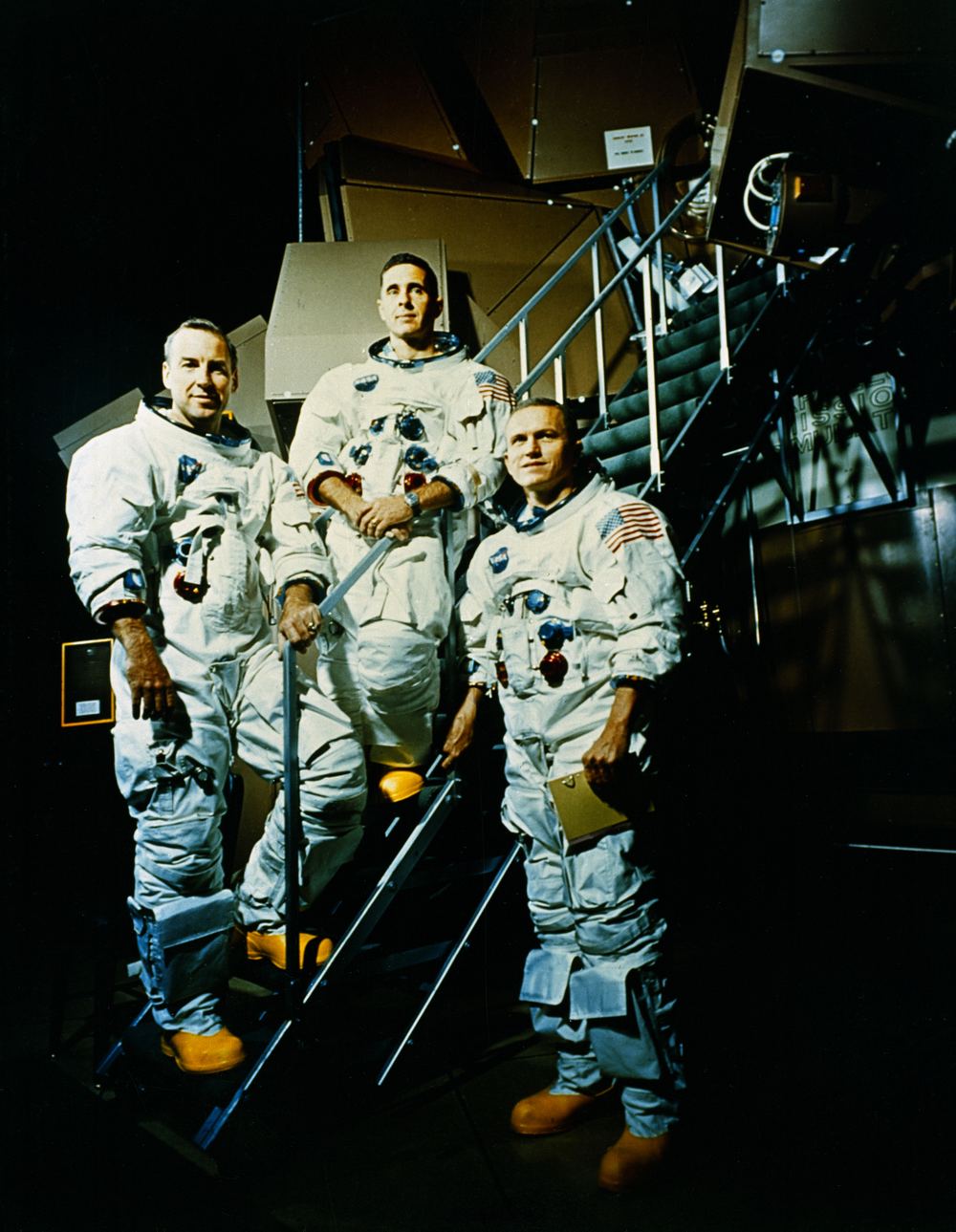
It was announced a few months ago, but it still doesn’t feel real. Apollo 8 was supposed to be a test of the Lunar Module in Earth orbit — the same kind of cautious, incremental step that has characterized the whole program. But the Lunar Module isn’t ready. And there are reports that the Soviets might be planning something dramatic — another first. A circumlunar flight, maybe. Going around the Moon and coming back.
So NASA made a decision: Apollo 8 goes to the Moon. Not around it — to it. Into orbit. Borman’s crew will ride the Saturn V out of Earth orbit, coast for three days across 240,000 miles of space, fire their engine to enter lunar orbit, orbit the Moon ten times, fire their engine again to come home, and splash down in the Pacific on December 27th.
If everything works.
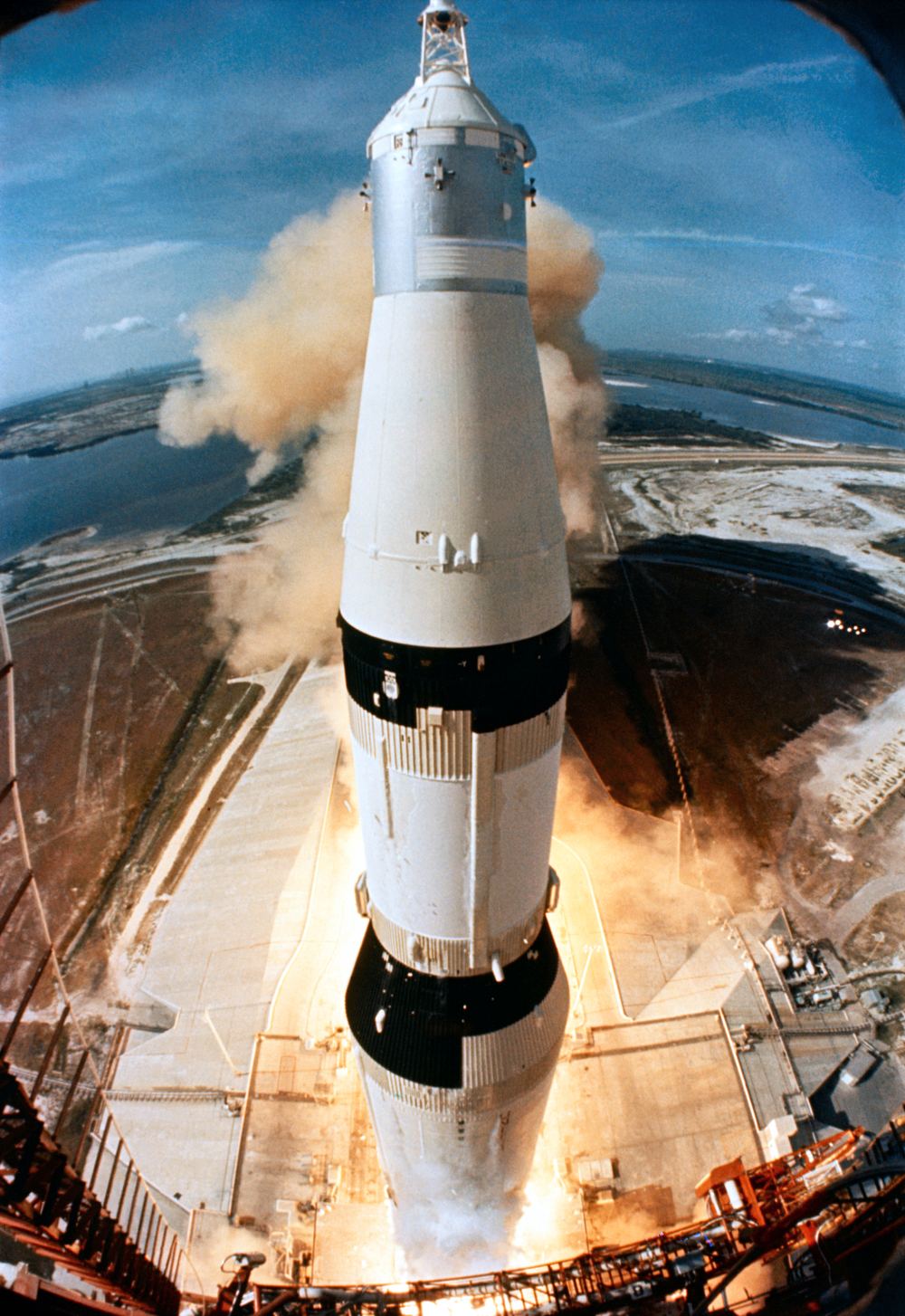
The Saturn V ignited at 7:51 this morning. I watched it go up. The fire below the rocket, the slow rise that becomes fast before you expect it, the bright point climbing into the December sky. Then they announced: the S-IVB has fired. Trans-lunar injection is complete. The spacecraft is committed to the Moon.
Frank Borman, Jim Lovell, and Bill Anders are going to the Moon.
In the history of the human race, no one has ever done what they are doing right now. Every human being who has ever lived has lived on Earth or — since 1961 — briefly above it in orbit. But everyone who has gone to orbit has stayed near Earth, in the gravity well, within a few hundred miles. These three men are pointed away from Earth, accelerating outward, and in three days they will be near the Moon.
No one has ever been that far from Earth. No one has ever looked back at our planet from that distance. No one has ever seen the Moon from close enough to see its craters by eye, to see the surface up close, to orbit and look down at the landscape.
I keep trying to understand what they’ll see. Three days of travel, Earth shrinking behind them. Then the Moon growing larger in front of them. The far side of the Moon — which no human eye has ever seen from close up, only photographed by probes. They’ll fly over it. They’ll look down at it.
And they’ll do this at Christmas. They’re scheduled to be in lunar orbit on Christmas Eve. December 24th, 1968. I keep imagining what they’ll see when they look: the Earth rising above the horizon of the Moon. Our planet, small and blue and brilliant, hanging in the black. From 240,000 miles away.
Betty asked me tonight if I thought they’d make it. I said I thought so — I think the rocket works, I think the spacecraft works, I think the navigation system works. But I also said: the engine that puts them into lunar orbit has to fire on the back side of the Moon, out of radio contact with Earth. For six minutes, we won’t know. If it doesn’t fire correctly, they’ll sail past the Moon and have to come home the long way. If it fires too long, they could be trapped in lunar orbit with no way home. The burn has to be exactly right.
She nodded and said: I’m going to watch for the signal when they come around the Moon on Christmas Eve. I said we both will. I said the whole world probably will.
They’re going to the Moon. Today. Right now. Three days from now they’ll be there. I can barely sit still enough to write this.