It has been sixteen years since Sputnik.
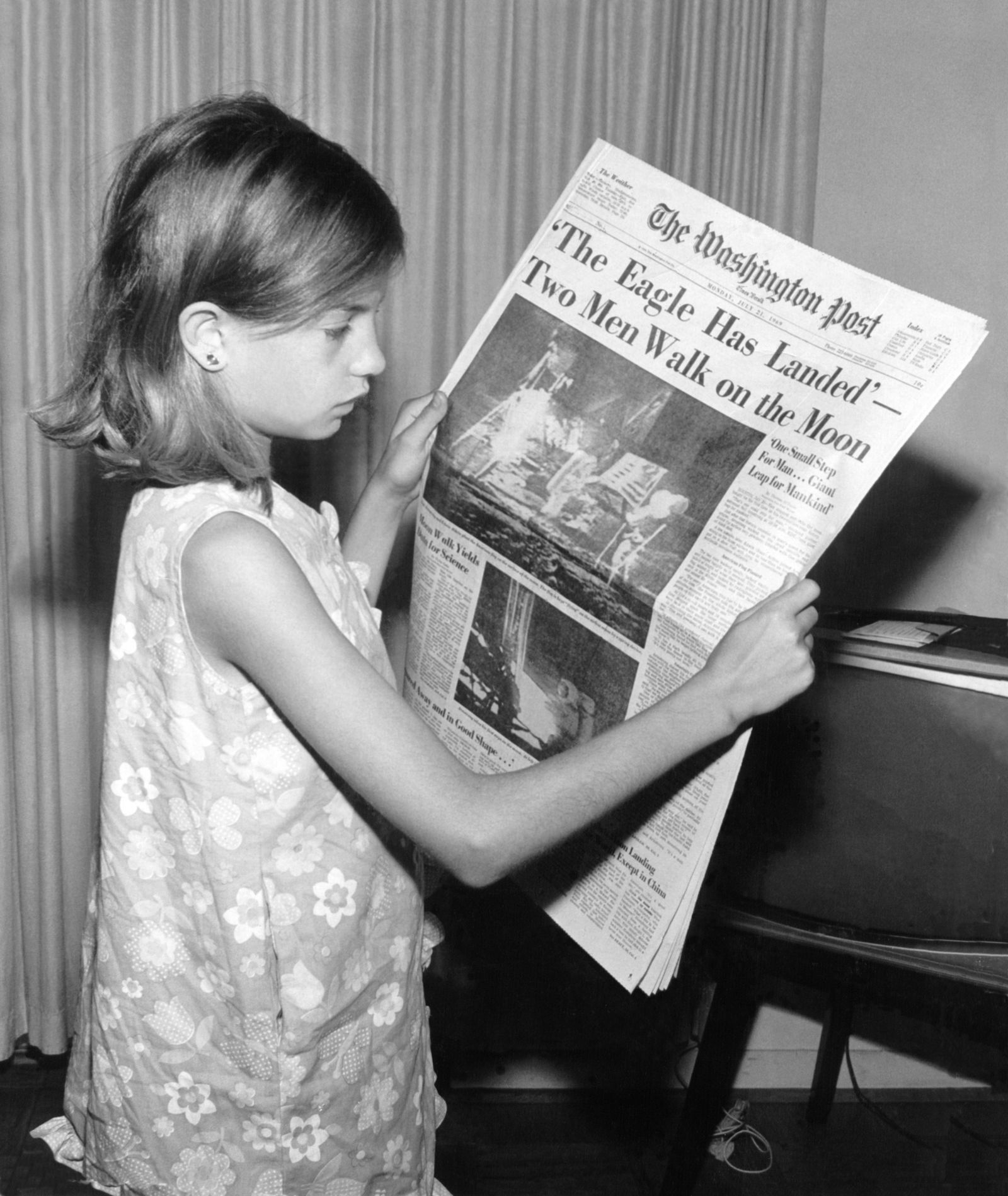
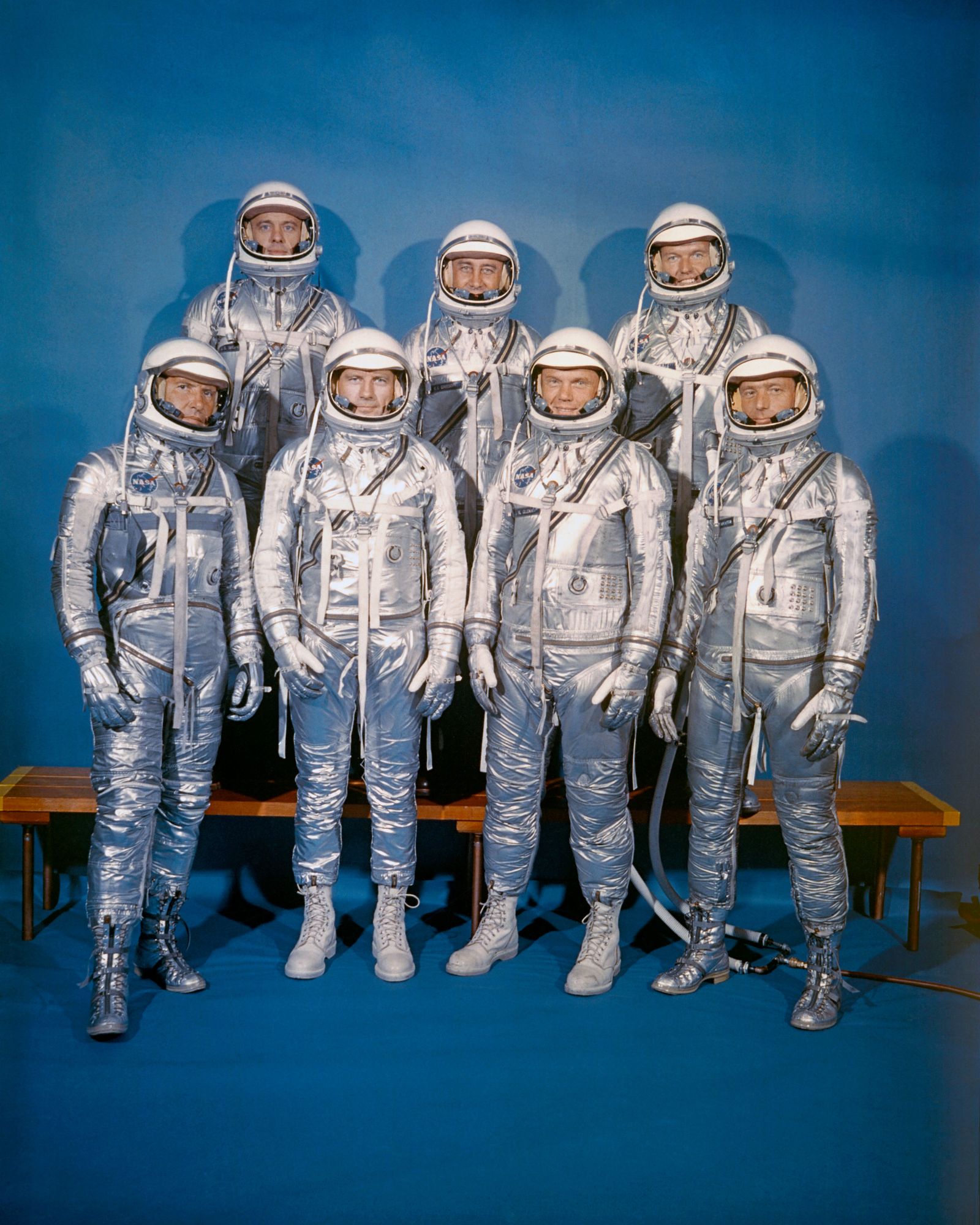
I was 32 years old then. A man in a bathrobe in Ohio, standing in his backyard at 11 PM, staring up at an ordinary sky that had just become extraordinary. I wrote in the first entry of this notebook that I could feel it happening, the change, the dividing line between before and after.
Now I’m 48. Betty and I are fine. Harold and Edna are fine. The garden is good this year. My father passed away in 1971; my mother lives with my sister in Cleveland. Normal life, ordinary life, the life of a person who is not doing the impossible things but has been watching them get done.
What happened in sixteen years:
We put twelve men on the Moon.
I keep coming back to that. All the rest — Sputnik, Mercury, Gemini, the fire, the waiting, the Apollo flights one by one, Skylab, Salyut, the deaths — all of it builds to that one fact, which is the defining achievement of my adult life and possibly of the century: twelve human beings walked on the Moon.
The space program is quieter now. Skylab is done (the third crew came back in February). The Shuttle is in development. There’s no dramatic race, no countdown to a historic first. The work continues but the urgency has changed.
I’ll keep this notebook as long as there are things to write. There will always be things to write.
The universe is 13.8 billion years old and 93 billion light-years across. We haven’t even started. We’ve taken a step — one small step, you might say — toward the door.
The rest of the journey is ahead.
I’m still paying attention.