NASA announced it officially: Apollo 8 is going to the Moon.
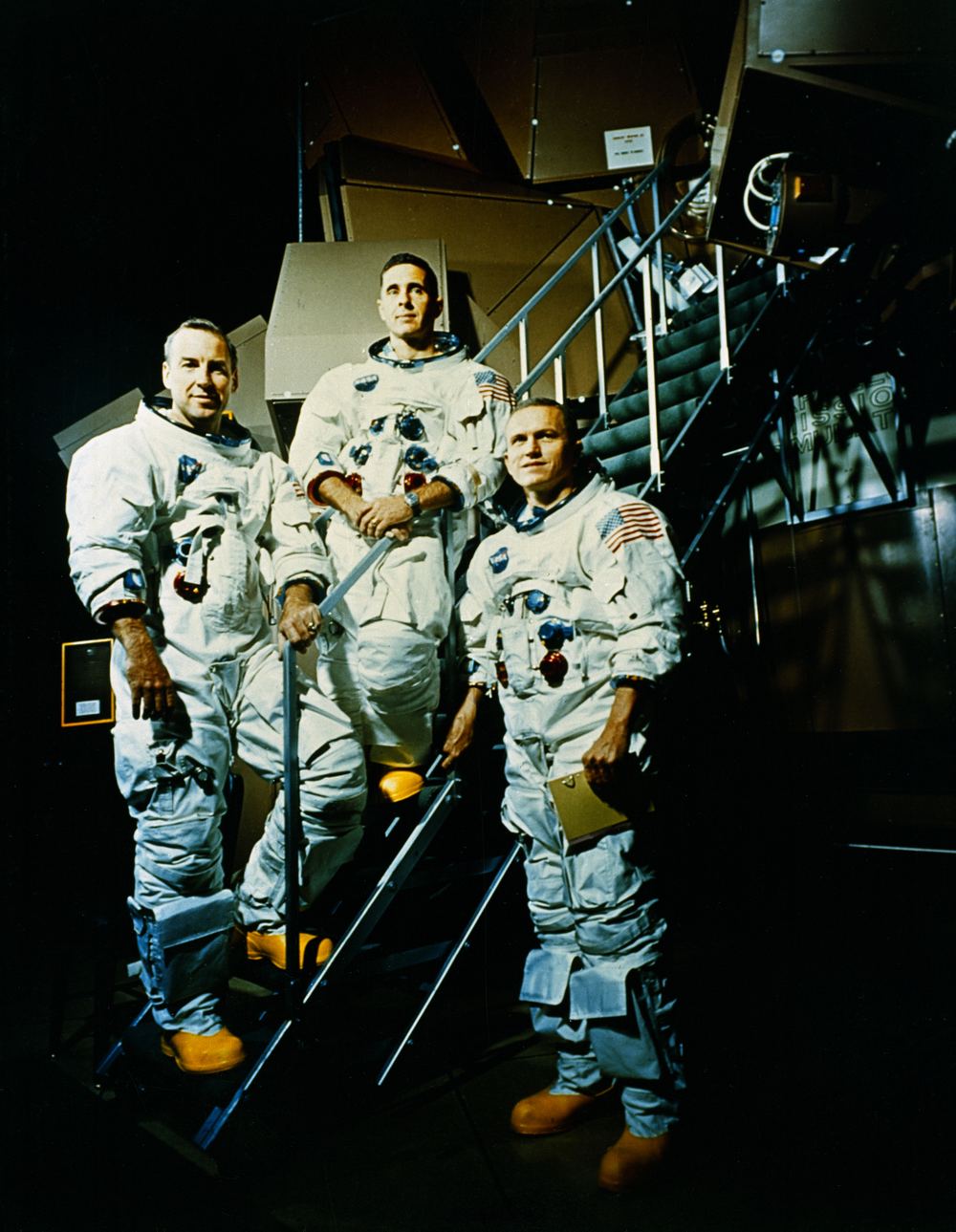
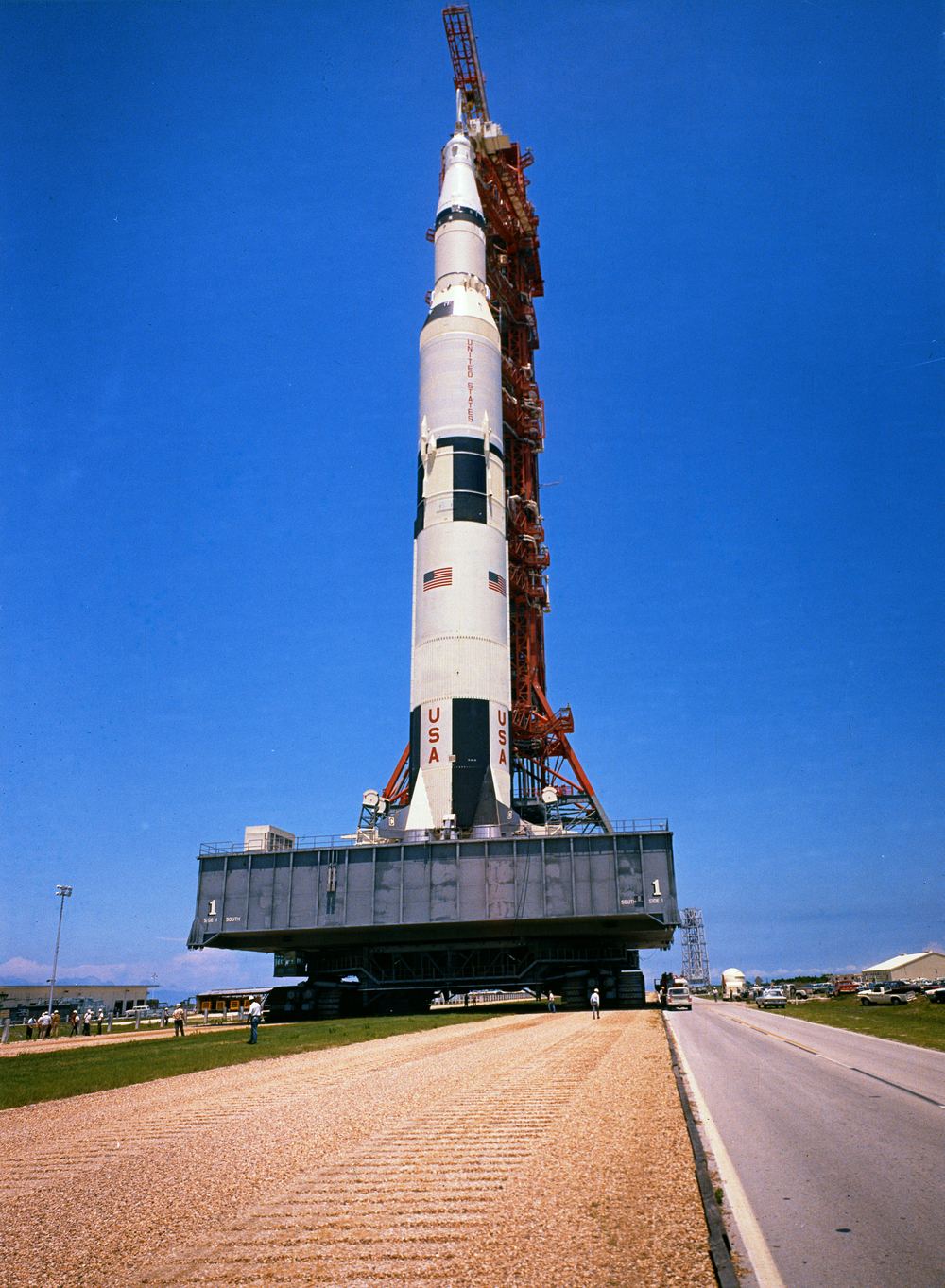
Not Earth orbit. Not a lunar flyby. Lunar orbit. Frank Borman, Jim Lovell, and Bill Anders will be launched on December 21 on a Saturn V, travel 240,000 miles to the Moon, enter lunar orbit, and then come home.
The first human beings to leave Earth’s gravitational field. The first to travel beyond the Van Allen radiation belts. The first to see the far side of the Moon. The first to see the Earth as a whole planet, from a distance.
This is audacious. The first Saturn V to carry a crew. No lunar module aboard — the LM isn’t ready, so they’ll fly the command and service module alone. If the service propulsion engine fails to fire for the translunar injection burn, they won’t go. If the SPS fails to fire for lunar orbit insertion, they’ll swing around the Moon and come home on a free-return trajectory. If the SPS fails to fire for the trans-Earth injection burn — the burn that starts them back toward Earth — they will not come home.
That last one is the nightmare scenario. A failed TEI burn means three men in lunar orbit with limited consumables, no rescue possible, no options. They would circle the Moon forever.
The crew knows this. Borman, Lovell, and Anders know the failure mode. They’re going anyway.
I’ve been reading everything I can find about Frank Borman. He’s not a showman — he’s serious, almost grim in some accounts, deeply dedicated. He was on the Apollo 1 review board; he saw what the fire did and what caused it. He’s the commander of the mission that will either justify the post-fire rebuilding or prove it wasn’t enough.
Lovell is on his second mission — he flew Gemini 7, the two-week endurance flight with Borman. They know each other. They’ve spent fourteen days together in a space smaller than a car. If anyone can function as a team in a small capsule under pressure, it’s these two.
Anders is a rookie, his first flight. He’ll be the lunar module pilot, which is ironic because there’s no lunar module. His main job will be photography — documenting the Moon from orbit to aid landing site selection.
December 21. Winter solstice. Into the darkness, toward the Moon.
I am not going to sleep well until they come home.