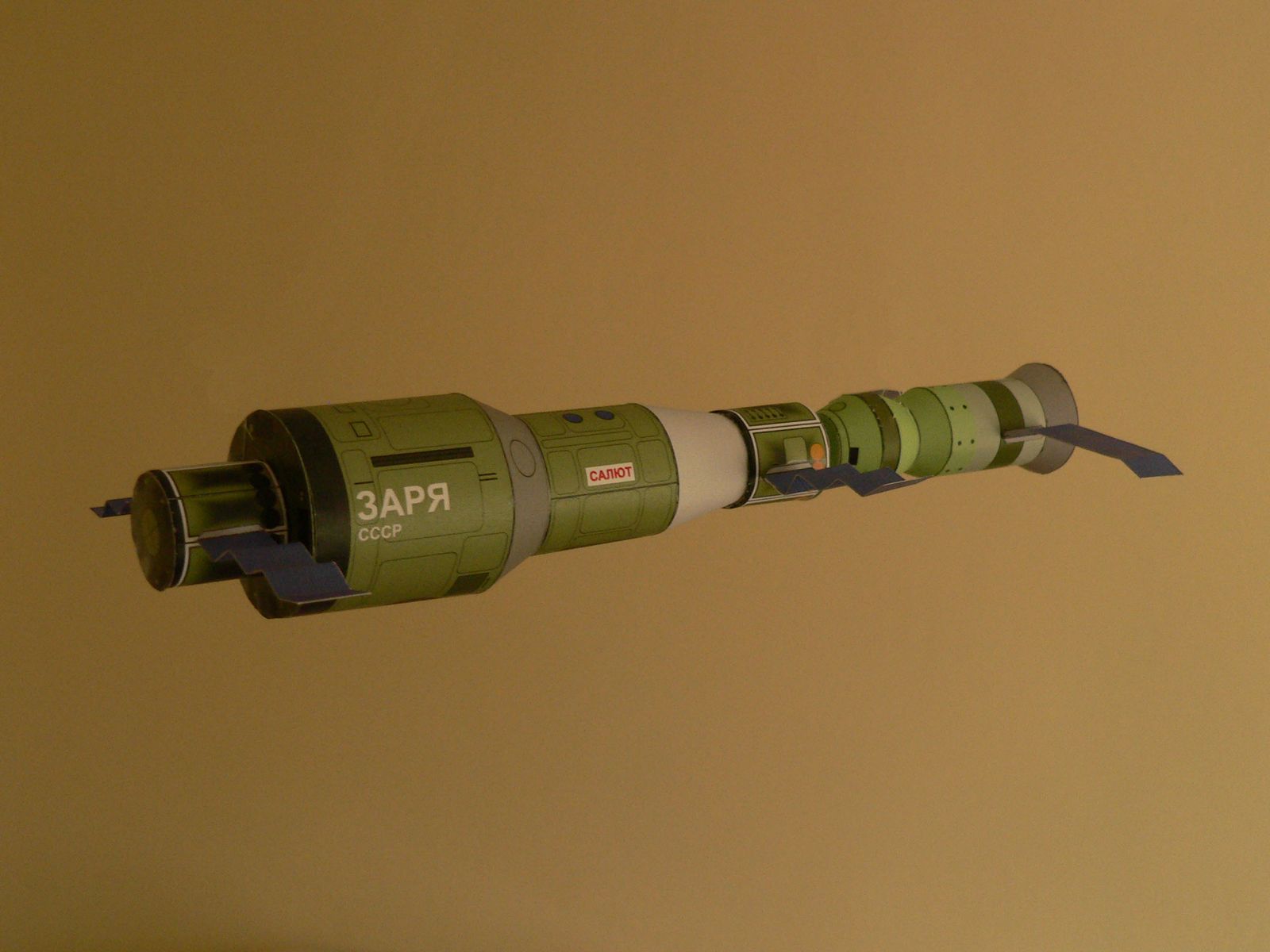
The Soviet Union launched the world’s first space station on April 19. Salyut 1 is now in orbit, waiting for a crew.
Another first. The Soviets, despite losing the race to land on the Moon, have beaten us to space station operations.
Or they will have beaten us, if the crew gets up there successfully. The Soyuz 10 mission launched to dock with Salyut and transfer crew, but docking was achieved only partially and the crew didn’t transfer. The reasons aren’t fully clear from Western reporting; there may have been a docking mechanism failure.
Soyuz 11 is planned next, with Dobrovsky, Volkov, and Patsayev. If that crew successfully transfers and occupies Salyut, they’ll be doing in 1971 what the Americans won’t do until Skylab in 1973.
The competition has shifted from landing on the Moon to operating in orbit long-term. The Soviets appear to have decided that building and operating space stations is where they focus now. This is a rational strategic choice: they lost the Moon race, but long-duration orbital operations is a field where steady, undramatic work can produce significant advantages.
I’ve been thinking about what “winning the space race” actually means now that the landing has happened. The Moon race had a clear endpoint: land first. Post-Moon, the competition is more diffuse. Who operates more efficiently? Who stays up longer? Who develops better technology for living in space?
These don’t produce the same dramatic headlines as the first landing. But they may matter more in the long run.
Salyut 1 is up there right now. A Soviet space station. I hope Soyuz 11 makes it aboard. I hope the crew is safe and the science is good. The same way I hoped for everyone who flew in the American program: I want them to come home.
It’s not less true because they’re Soviet.