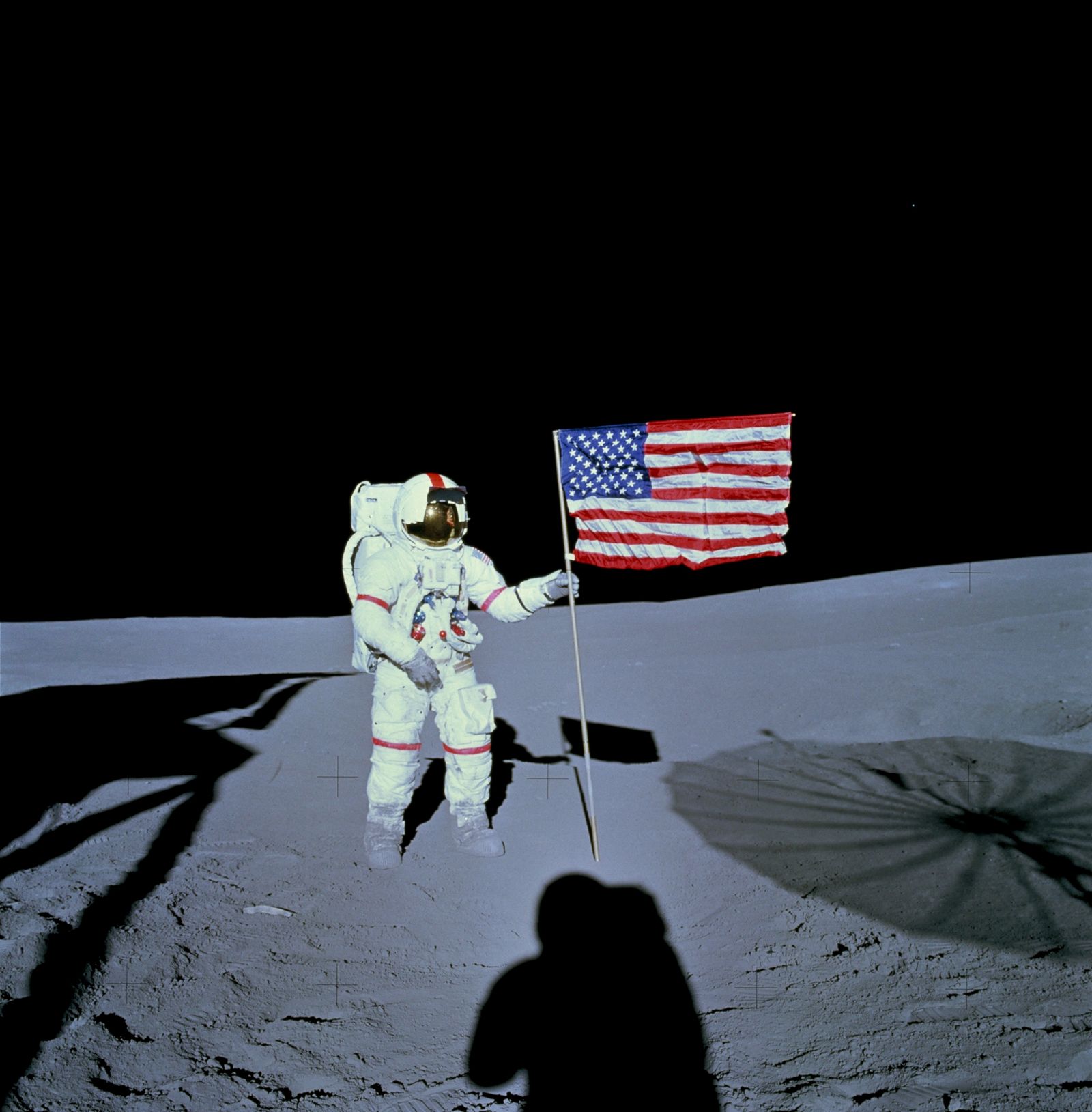
Alan Shepard walked on the Moon today.
I wrote about Shepard’s Mercury flight in 1961. Fifteen minutes and thirty-seven seconds. A suborbital arc. He lit the candle and he came back and the whole country held its breath for fifteen minutes. That was the beginning of all of this.
Ten years later, he’s on the Moon.
Between Mercury and now: an inner ear problem called Ménière’s disease that grounded him for years, the rise of his juniors, the worry that he’d never fly again. Then a surgical procedure that corrected the problem. Then the long process of recertifying for flight. Then Apollo 14.
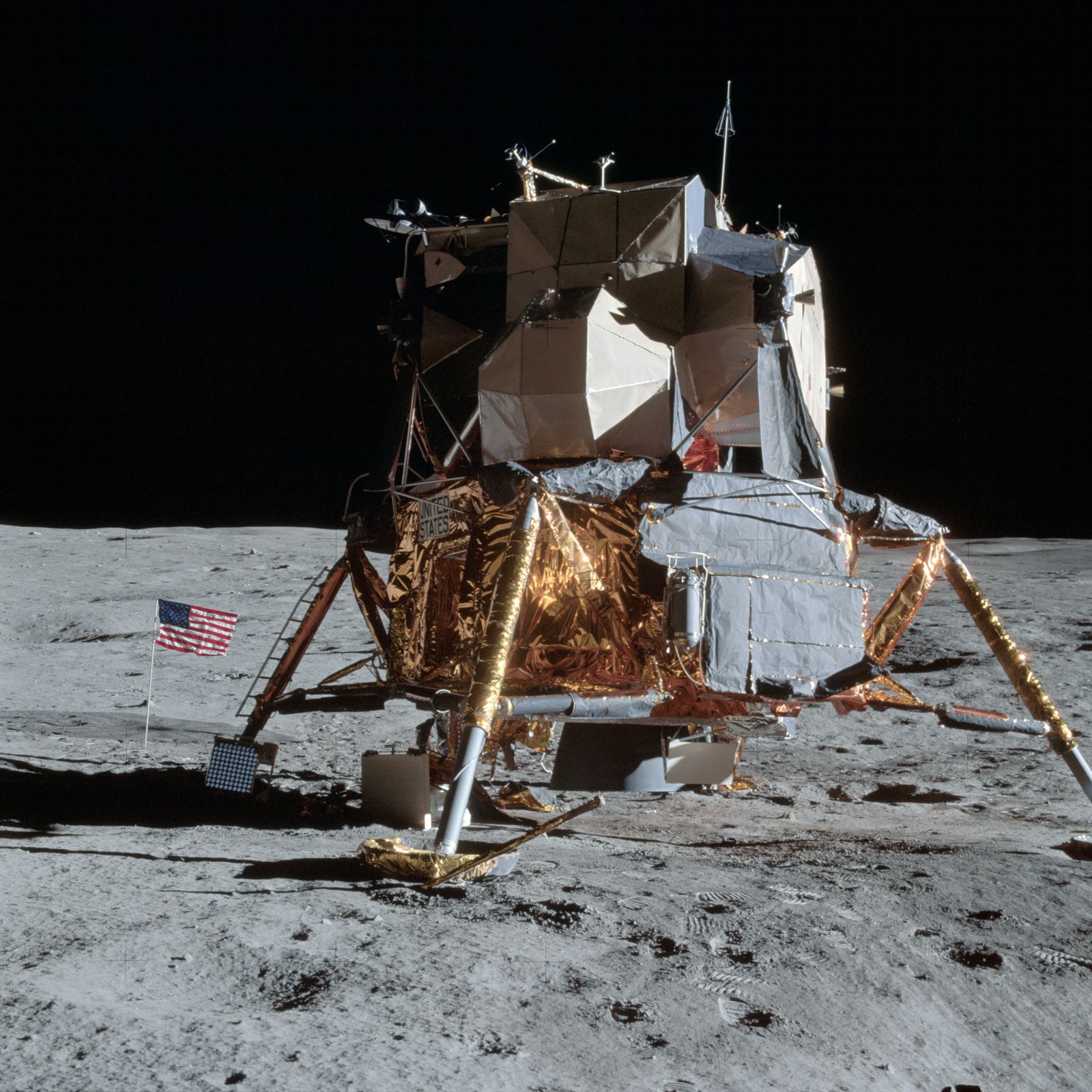
At 47 years old, Alan Shepard landed on Fra Mauro — the hilly terrain around the Fra Mauro crater, one of the most scientifically interesting sites attempted so far. He and Ed Mitchell walked 9,000 feet across the lunar surface, collecting samples and trying to reach the rim of Cone Crater. They didn’t quite make it to the rim — the terrain fooled them, the crater was farther than it seemed, and they had to turn back when they were probably only 65 feet from the rim edge. They didn’t know they were that close at the time.
And then, before returning to the lunar module, Shepard pulled a golf ball out of his suit pocket. He had brought a modified sample-collection tool with a six-iron head attached. He teed up the golf ball on the lunar surface.
He swung with one hand (the suit doesn’t permit a full golf swing) and said: “There it goes…miles and miles.”
I laughed. I laughed out loud, alone in my kitchen listening to the broadcast, because it was the most perfectly Shepard thing in the history of the space program. The first American in space, the competitive, restless, sometimes difficult, always capable Alan Shepard, the man who told Mission Control to “fix your little problem and light this candle,” was on the Moon and he brought a golf ball.
He hit two of them, actually. The second one went farther.
The science of Apollo 14 is also significant — Fra Mauro is the ejecta blanket from the Imbrium basin impact, one of the large basins that formed early in the Moon’s history. The samples tell us about that ancient catastrophe. Mitchell and Shepard collected 94 pounds, including some large rock specimens.
But I’m going to remember the golf ball. Of course I am.