Apollo 13 launched today. Jim Lovell, Jack Swigert, and Fred Haise are on their way to the Moon. Destination: Fra Mauro, the highland region formed by material ejected when the Mare Imbrium basin was created by an ancient impact. A geologically important site. The astronauts have been trained intensively in geology for this mission.
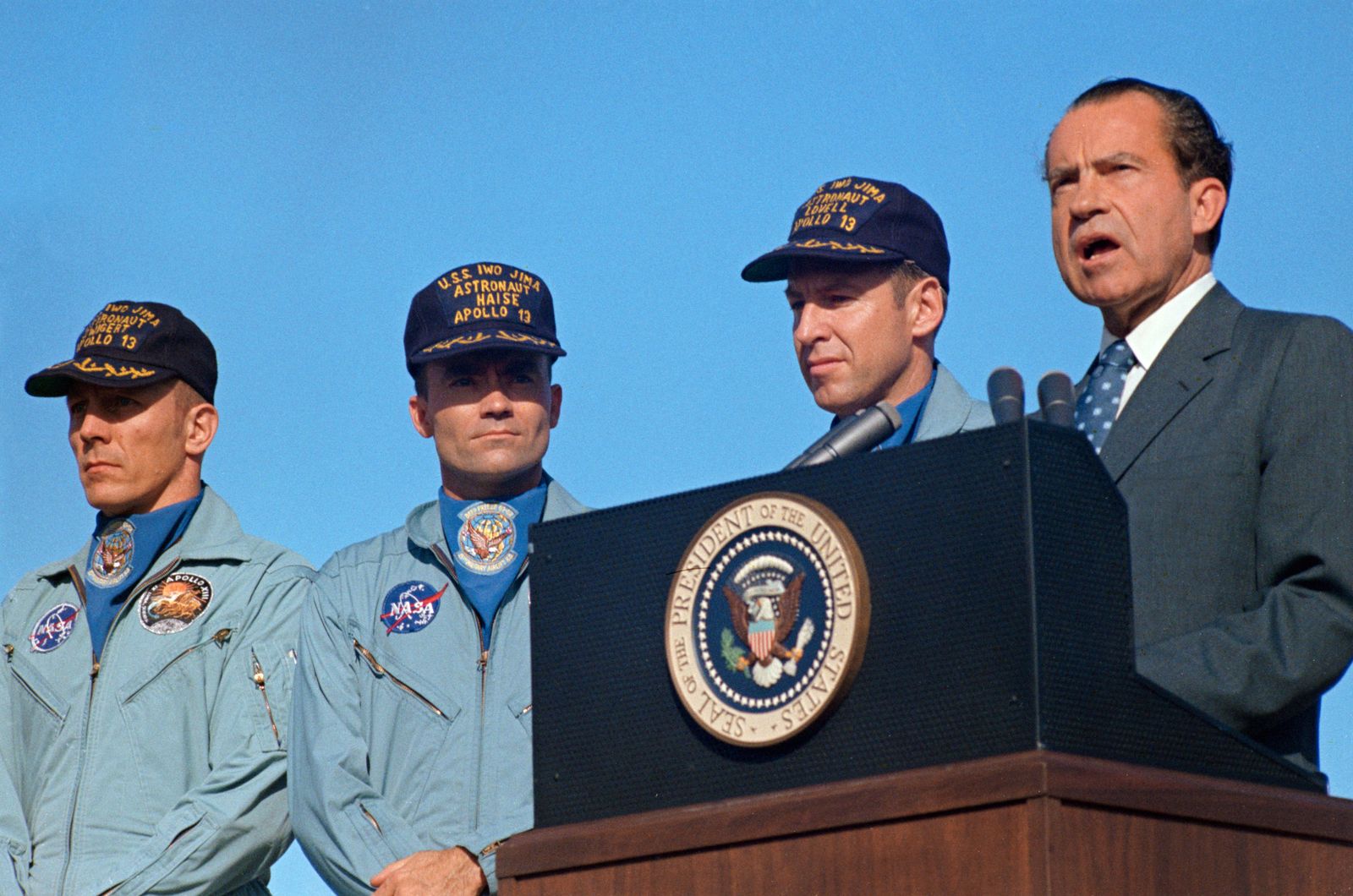
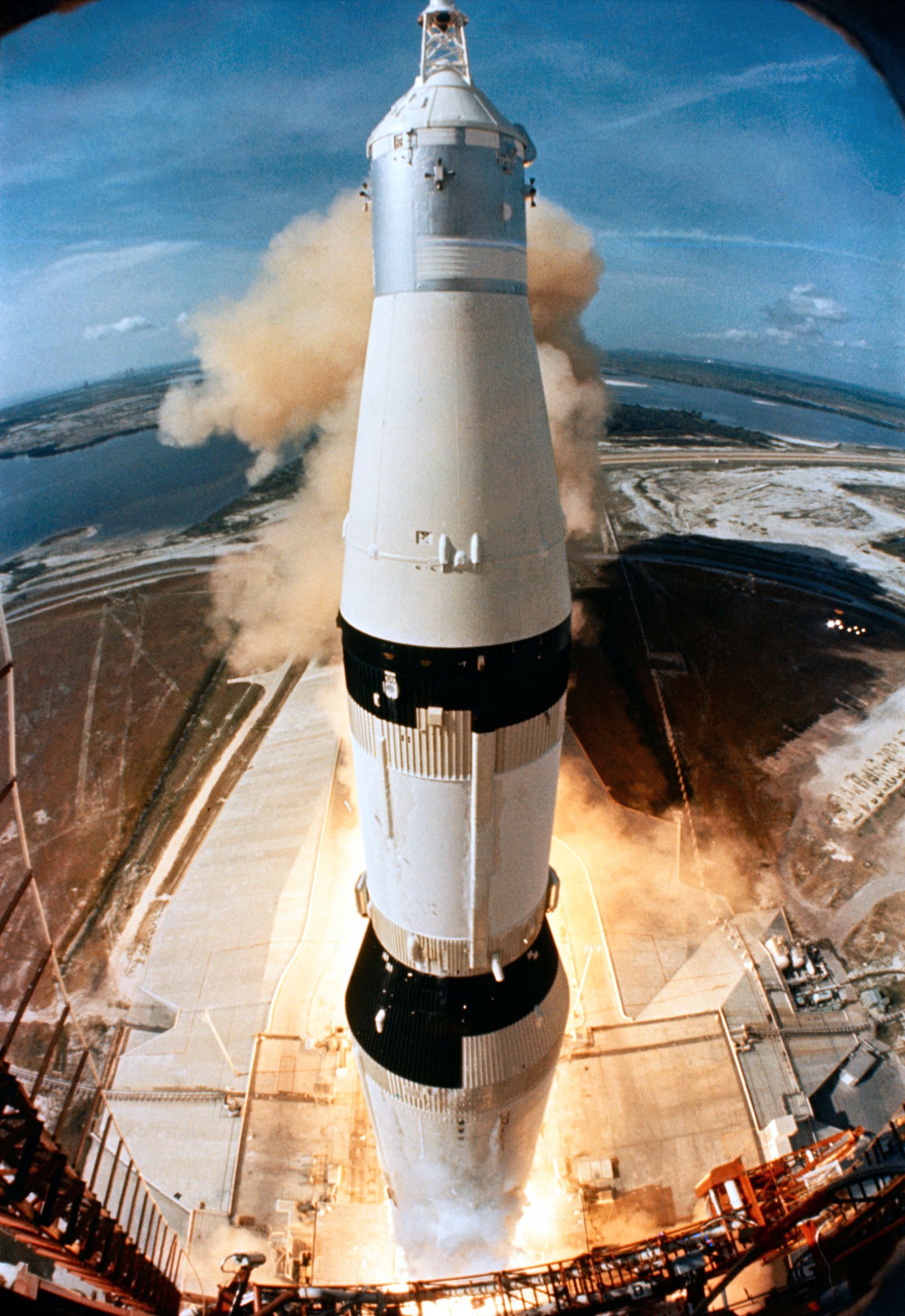
The launch went smoothly. The Saturn V performed perfectly — or nearly so; there was a center engine cutoff in the second stage caused by pogo oscillations, about two minutes early, but the other four engines compensated and they reached the right orbit. This is the kind of thing that would have been headline news in 1961. Today it’s a footnote.
Here is the thing I can’t stop thinking about: one of the newspapers this morning called this a “routine Moon mission.” Routine. Moon. Mission. I read that headline and I had to set the paper down for a moment.
Three men are riding a 363-foot rocket to the Moon. The rocket burns 20 tons of propellant per second. The spacecraft will coast for three days through 240,000 miles of vacuum. They will descend in a machine that cannot be tested before it has to work. They will depend on a single engine to lift them off the surface and rendezvous with the orbiting Command Module. And someone called this routine.
I understand how it happened. Six months since the first landing. Two successful missions. The technology works. The program is functioning. And so we forget what the program actually is, which is human beings going to another world in a machine of extraordinary complexity and fragility and risk.
I’m being curmudgeonly. I know. But I don’t want to forget how hard this is. I don’t want to be the person who watched the first Moon landing and then two missions later decided it was routine.
A note about the crew: Jack Swigert is a late substitution. The original Command Module pilot was Ken Mattingly, but the prime crew was exposed to rubella (German measles) and Mattingly has no immunity. NASA pulled him off the mission two days before launch and put Swigert in. Mattingly never got rubella — he’s fine — but mission rules are mission rules. Swigert was the backup Command Module pilot and he’s been training for exactly this situation. He’s ready. But it’s still an unusual thing, changing a crew member that late.
Jim Lovell is the most experienced astronaut alive. Four spaceflights. Gemini 7 (14 days in orbit), Gemini 12, Apollo 8 (first lunar orbit), and now Apollo 13. He has been to the Moon once. Now he’s going to land there. He has waited a long time for this.
I hope it goes well. I’m going to be following this closely. Not because I expect anything to go wrong. But because I refuse to watch a Moon mission with the assumption that it’s routine.
Nothing about this is routine. Nothing about it ever should be.