The 1960s are over. I’ve been keeping this notebook since 1957, so the whole of the decade is in here.
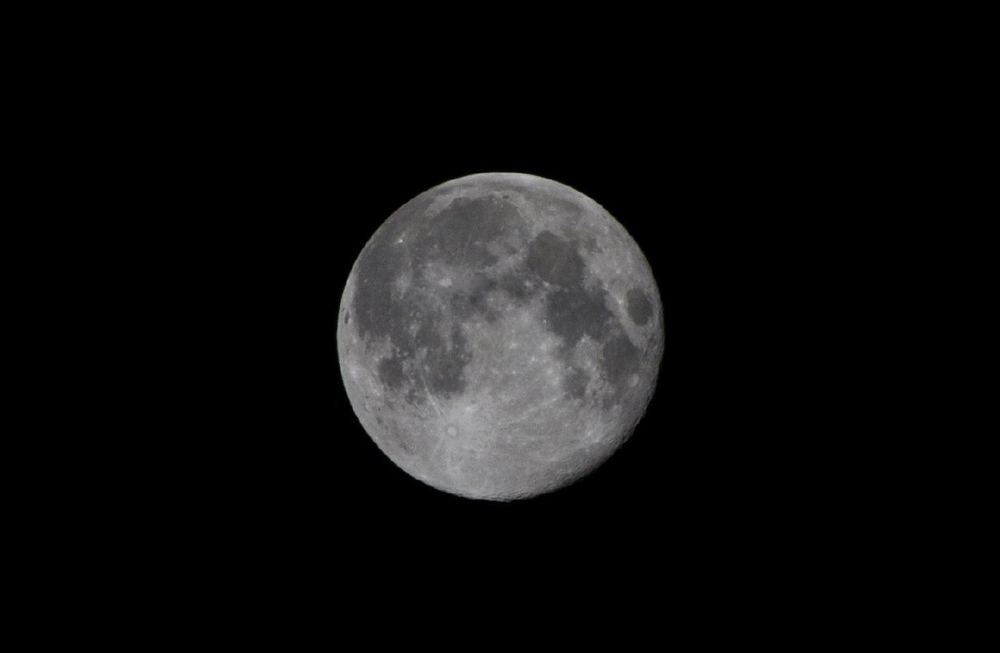
The decade opened with Mercury and Kennedy and the beginning of the great promise. It closed with the first humans on another world. In between: more loss than I could have predicted, more achievement than I dared hope for.
Kennedy’s speech. The fire. Gagarin. Glenn. The Gemini program’s patient, systematic buildup. Apollo 8 on Christmas Eve. Armstrong’s boot in the dust of the Sea of Tranquility. “Magnificent desolation.” The 1202 alarm. The footprints that will be there for a million years.
The 1960s were the decade that decided the Moon. The 1970s will decide what comes next.
Some things I know about the new decade: Apollo 13 is in January, 14 in late 1970, then 15 through 17. Skylab is being planned. The Space Shuttle is in early development. Nixon’s administration will decide how much of the ambitious post-Apollo vision gets built.
Some things I suspect but don’t know: the Soviet program will continue, though in what form I’m not sure. A space station is probable for them too. The Moon landing competition is over; what comes next is less clearly defined.
What I hope for: that the 1970s are a decade of consolidation and building. Not the frantic race-driven pace of the 1960s, but deliberate, sustainable space development. A permanent presence in low Earth orbit. More lunar science. The Outer Planets probes that will eventually reach Jupiter and Saturn.
What I worry about: budget cuts, political disinterest, the sense that now that we’ve won the race there’s nothing left to run for.
The decade is new. The program continues. I am paying attention.