I don’t know how to begin this entry.
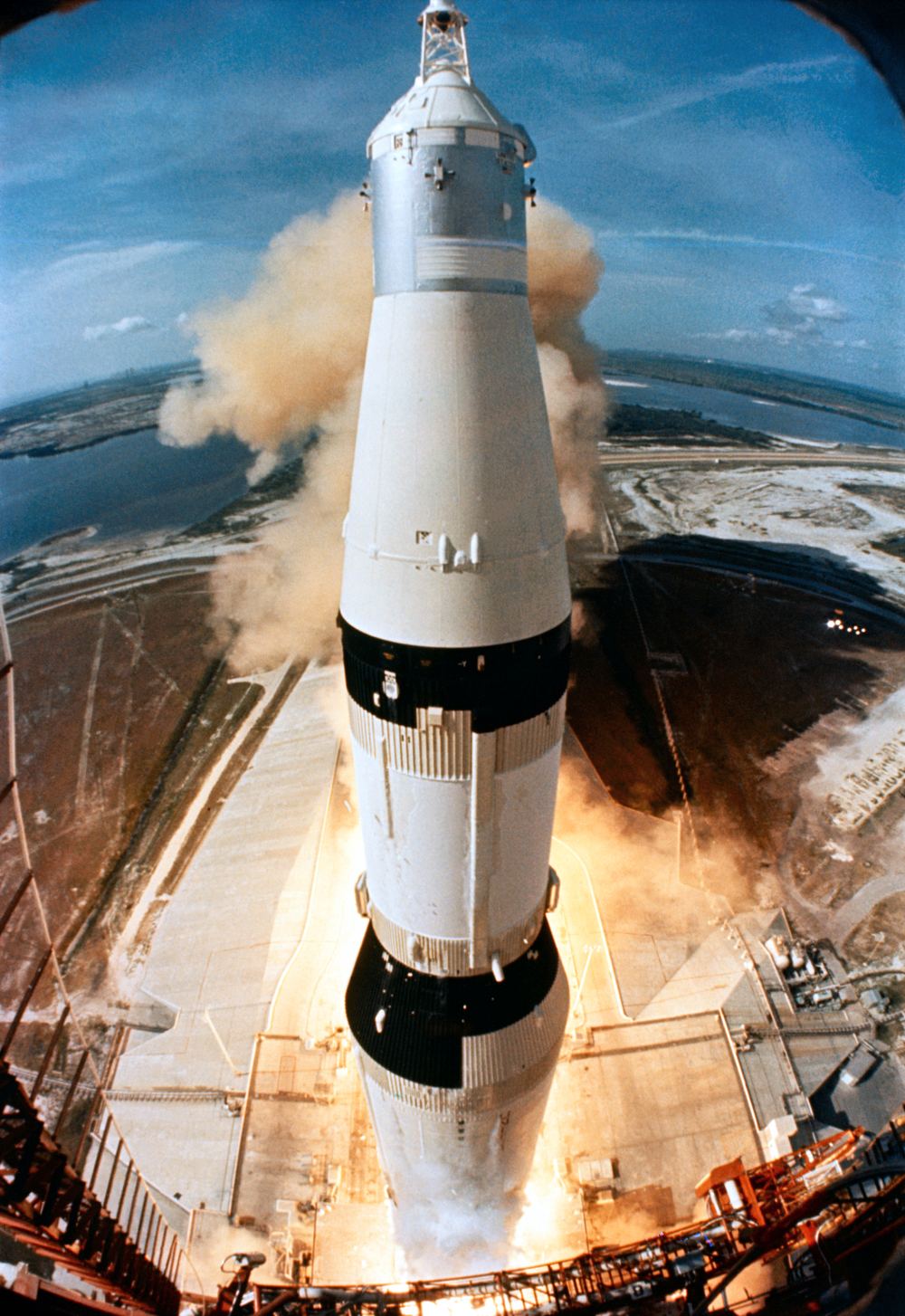
At 9:32 AM Eastern time this morning, July 16th, 1969, the Saturn V carrying Apollo 11 — carrying Neil Armstrong, Buzz Aldrin, and Michael Collins — rose from Launch Pad 39A at Kennedy Space Center. The five F-1 engines ignited. The hold-down arms released. And the tallest, heaviest, most powerful machine ever built by human beings began to move.
We watched as a family. Betty and I on the couch. The kids — they’re teenagers now, old enough to understand what they were watching — on the floor in front of us. We had tried to watch Apollo launches together before, but this one felt different. This one felt like we had somehow known for a long time that it was coming and now it was here. We didn’t talk when the countdown reached zero. We didn’t cheer. We just watched.
The television cameras at the launch site are positioned several miles back — you can’t be closer without the acoustic blast from the engines potentially damaging your hearing or your equipment. So you see the rocket on the pad, and then you see the exhaust cloud building, and then you see this enormous thing begin to rise, slowly at first, impossibly slowly for something with 7.5 million pounds of thrust, and then faster, and then very fast, and then it’s climbing and you’re watching a spacecraft the size of a naval destroyer accelerate into the sky.
My daughter grabbed my hand when the rocket cleared the tower. I didn’t let go.
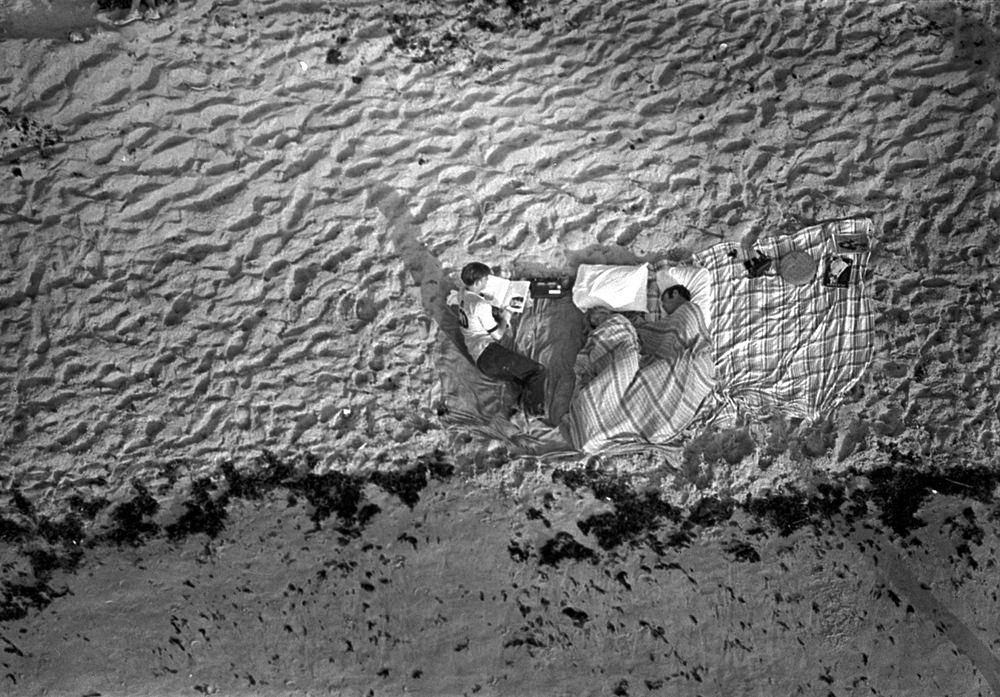
There were a million people on the beaches and roads of Florida to watch it. A million. They say the sound could be felt 100 miles away. The light was visible for much farther. People were crying in the crowd — you could see them on the television, faces turned up, tears on their cheeks, strangers standing next to strangers watching the same thing.
Twelve minutes after liftoff, the crew was in Earth orbit. Ninety minutes later, the S-IVB stage fired for the second time — the Trans-Lunar Injection burn. Neil Armstrong’s voice came through the speakers, calm as a man reporting the weather: “Hey Houston, Apollo 11. This Saturn gave us a magnificent ride.”
They’re on their way to the Moon. Three days from now, they’ll be there. Monday, July 20th, if everything holds together — if the Lunar Module descends correctly, if the navigation is right, if the landing site is smooth enough — Neil Armstrong and Buzz Aldrin will land on the Moon. Michael Collins will stay in orbit.
I have been following this program since April 1961 when Gagarin went to space and I sat at my kitchen table with my fork in mid-air. Eight years. I’ve watched every flight, clipped every article, listened to every broadcast I could find. I’ve watched men die in a fire on a launch pad. I’ve watched the program stop and rebuild and come back. I’ve watched the Saturn V shake the Earth. I’ve watched Borman’s crew read Genesis from lunar orbit on Christmas Eve.
And now, on a Wednesday morning in July 1969, three men are on their way to the Moon. They will be there in four days. One of them — maybe. If everything works. If nothing breaks. If the engine fires at the right time and the computer makes the right calls and the pilots do what only they can do.
I cannot think straight. I tried to work this afternoon and couldn’t focus. Betty said I should just take the rest of the week off. The kids will be home from school. We’ll watch it together, all of us.
The Moon is up tonight. I walked outside and looked at it. Full and bright in the July sky. In four days, there will be men on it. In four days, if everything holds, that ancient light will fall on two human beings standing on its surface.
I came back inside. I couldn’t look at it for too long. I was already holding my breath, and they haven’t even started the descent yet.