The trans-earth injection burn fired correctly.
That’s the sentence I’ve been waiting to write since December 21. The TEI burn — the one that starts the astronauts home from lunar orbit — the one that, if it had failed, would have left them circling the Moon forever. It fired at 1:10 AM on Christmas morning, and the astronauts were on their way home.
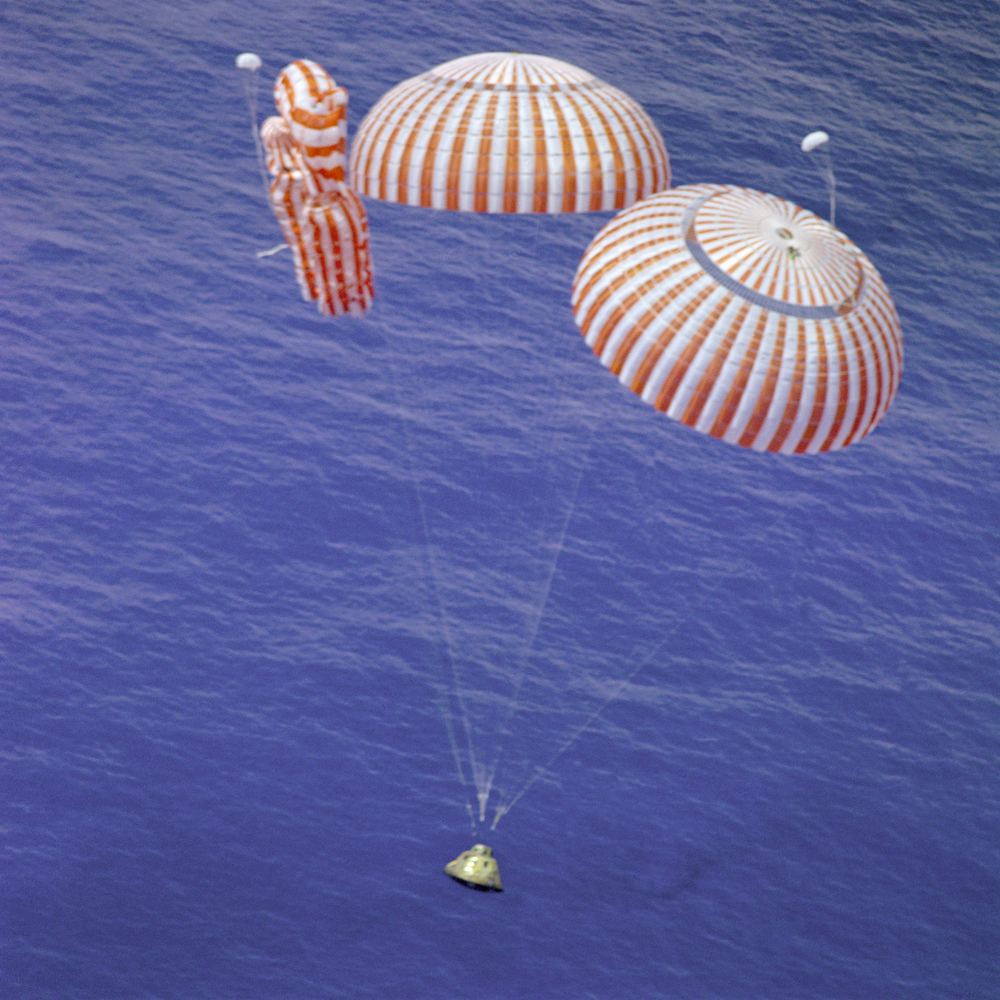
Apollo 8 splashed down in the Pacific this morning at 10:51 AM Eastern Time. Recovery was quick and clean. Borman, Lovell, and Anders are aboard the recovery ship, in good health, having completed ten lunar orbits and traveled roughly 580,000 miles in six days.
They went to the Moon and came back.
I’ve been writing this notebook since 1957 — eleven years since Sputnik. I was watching for a specific moment, and I’ve believed it was coming, but there were times — after the fire, during the delays, after the unmanned test failures — when the belief wavered. When the distance between where we were and where we needed to be seemed too great.
They went to the Moon and came back.
The Moon is no longer out of reach. The next flight will test the lunar module in Earth orbit. The flight after that will test it in lunar orbit. The flight after that — if everything works — will land on it. Perhaps as early as next summer.
Next summer. 1969.
The Time magazine cover this week calls it “the Year’s Best News.” I’d say it’s the decade’s best news. Maybe the century’s. They flew around the Moon and read Genesis and described what they saw and came home safely.
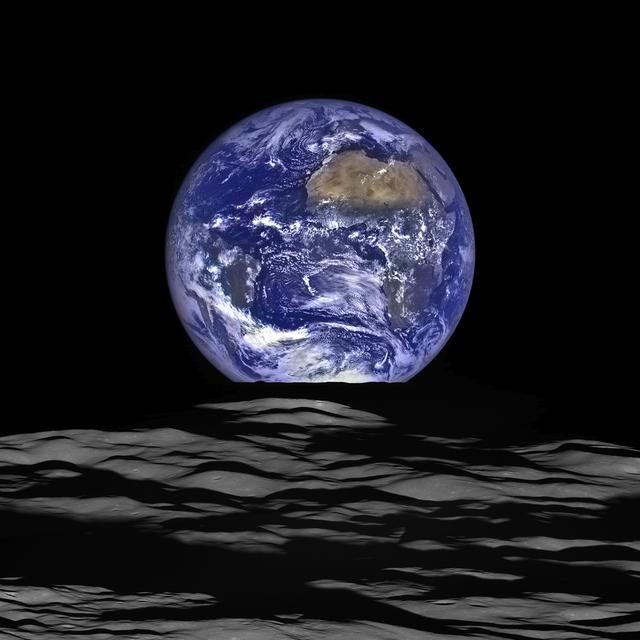
“Earthrise” — the photograph Bill Anders took of the Earth appearing above the lunar horizon — will be in every history book. The Earth. Small, blue, alone in the dark above a gray lunar landscape. Something about seeing it from that angle — from outside, from away — makes it look simultaneously more fragile and more precious than it looks from the surface.
It’s our home. It’s all we have. And three people left it, circled the Moon, and came back to tell us what it looked like from there.
Thank you, Borman. Thank you, Lovell. Thank you, Anders. Thank you to every engineer and flight controller and technician who made it possible.
The Moon.
We’re going.