For the first time in twenty-one months, American astronauts are in space.
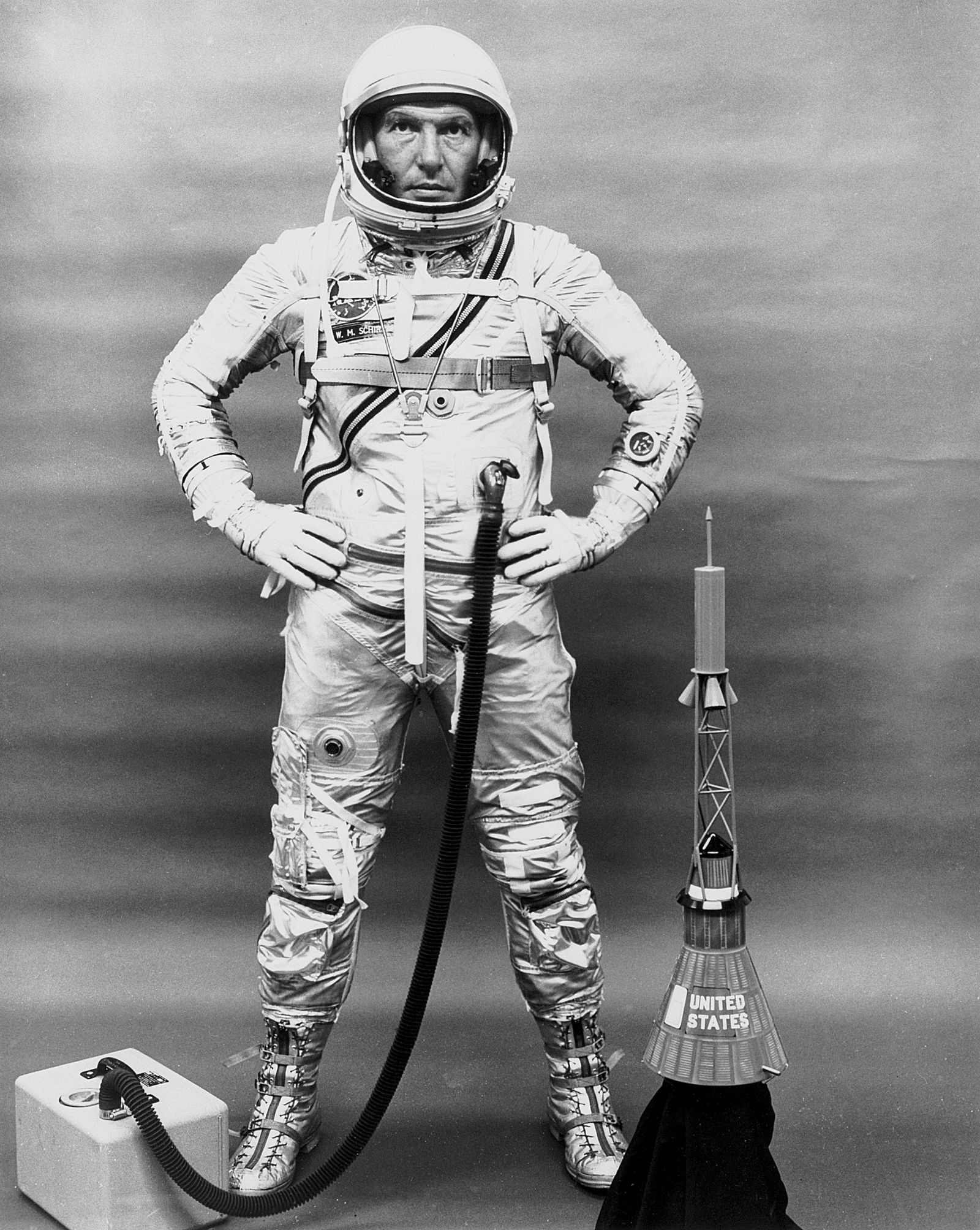
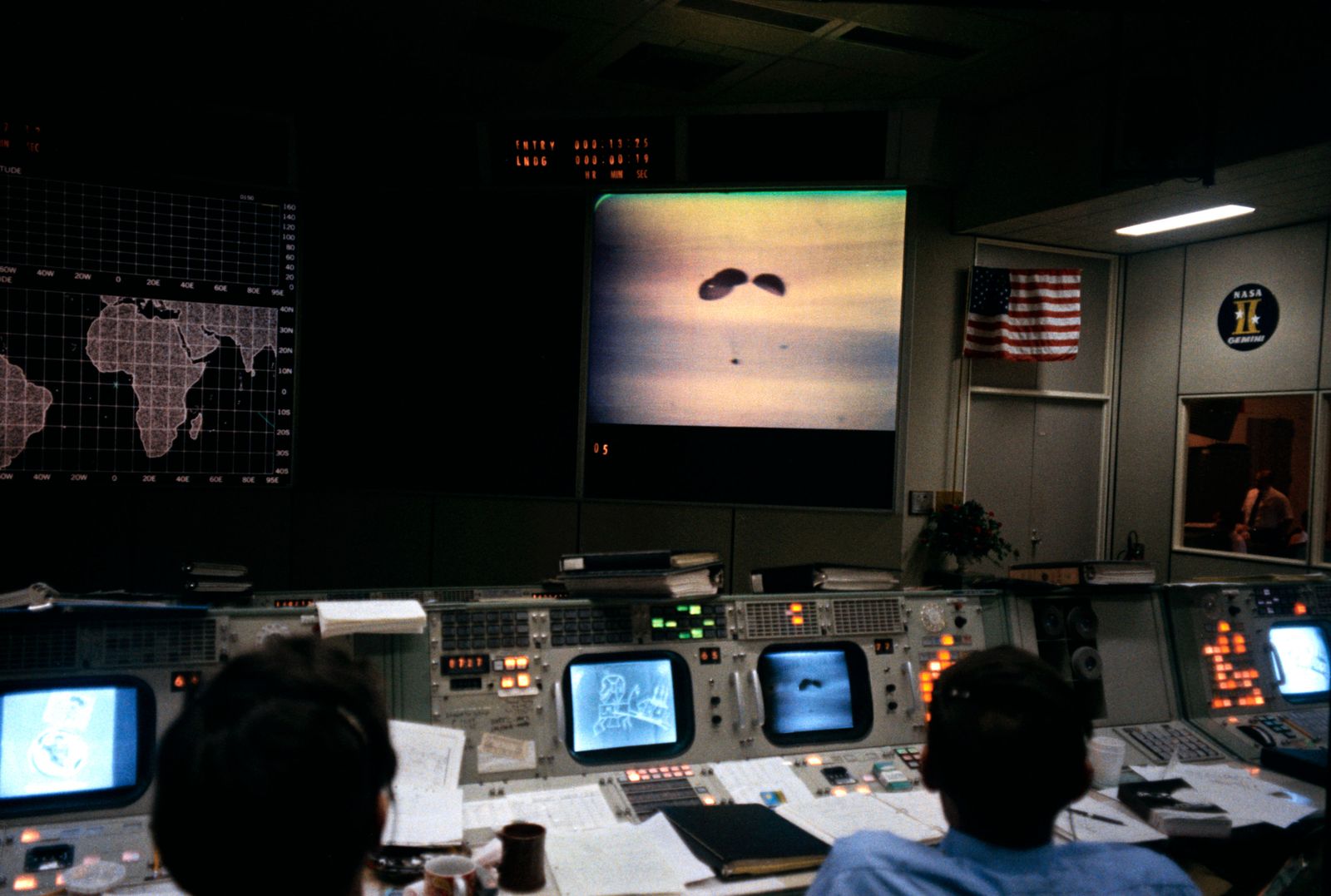
I said this aloud to Betty when the announcer confirmed that Apollo 7 had reached orbit successfully this morning. She said, “Twenty-one months?” and I said yes — since the fire on January 27th, 1967, there has been no American in space. Twenty-one months of redesign and testing and grief and argument and rebuilding and more testing, and now Wally Schirra, Donn Eisele, and Walt Cunningham are in orbit aboard a spacecraft that is not the same spacecraft that killed Grissom and White and Chaffee, but looks like it from the outside, and has the same name on the side.
The launch was at 11:02 AM Eastern on a Saturday, which meant I was home to watch. The Saturn IB — not the full Saturn V, just the two-stage Earth-orbit variant — lifted off cleanly. No problems on the pad. No problems at staging. The spacecraft separated from the rocket, and then there were men in orbit.
I’m not going to pretend I wasn’t worried. I’ve been worried since they announced the launch date. We’ve done all the work, they’ve made all the changes — but you can only be so certain until someone actually gets in the thing and flies it. You can test every system in every configuration and you still don’t know what you don’t know.
What I know now: the capsule reached orbit. It performed a rendezvous with the spent Saturn IB upper stage. The crew reported all systems nominal. They are in space. They are alive. The spacecraft works.
I went outside after the confirmation came through and stood in the yard for a few minutes. October morning, still warm, the leaves just starting to turn. It was a beautiful day. And somewhere up above the cloud layer — much too high to see, moving at 17,500 miles per hour — three American astronauts were flying a redesigned Apollo spacecraft for the first time.
About Schirra: this is his third spaceflight. He flew Mercury (Sigma 7) and Gemini (Gemini 6A, the rendezvous mission). He’s fifty-two missions’s worth of experience in a single person, if you count it by his flights. He’s known to be difficult — demanding, opinionated, not inclined to suffer fools. He fought with NASA management over the mission plan repeatedly. He is not a public relations astronaut; he is a mission astronaut, and he believes the mission comes first.
He’s the right man to fly the first crewed Apollo. Not because he’s charming — he is famously not charming when he thinks someone is doing something wrong — but because he will demand that everything work correctly, and if it doesn’t work correctly, he will say so. Loudly and clearly and without concern for politics. That is exactly what you want from the commander of the first crewed test flight of a spacecraft that killed the last crew that tried to fly it.
They’re planning eleven days in orbit. Eleven days. This spacecraft has to prove it can sustain three men for the length of a full Moon mission — launch, transit, lunar orbit, return, everything.
I am going to follow this mission very closely. I’ll be by the radio when I’m not at work, and possibly when I am at work.
We’re back. American astronauts are in space. We lost three men and we stopped and we rebuilt and we came back. I thought this was what would happen. It is nonetheless a relief to know that it is.
Welcome back, gentlemen. Please come home safe.