Eighteen months ago Gus Grissom, Ed White, and Roger Chaffee died in a fire in their spacecraft on Launch Pad 34. This is not something I think about every day anymore, but it is something I think about often enough that I know exactly how many months it has been.
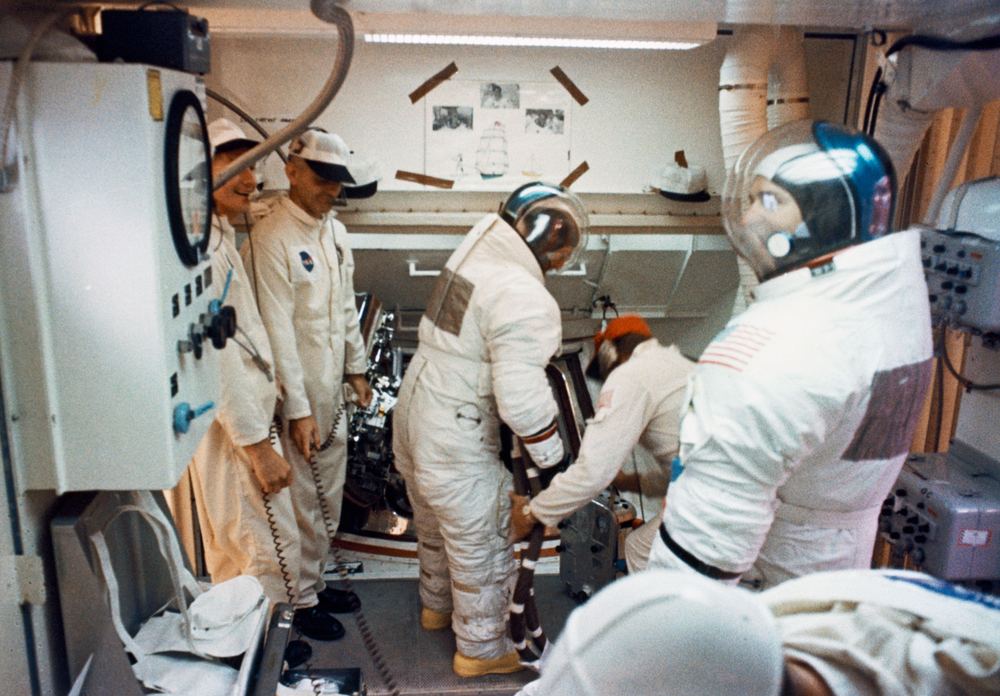
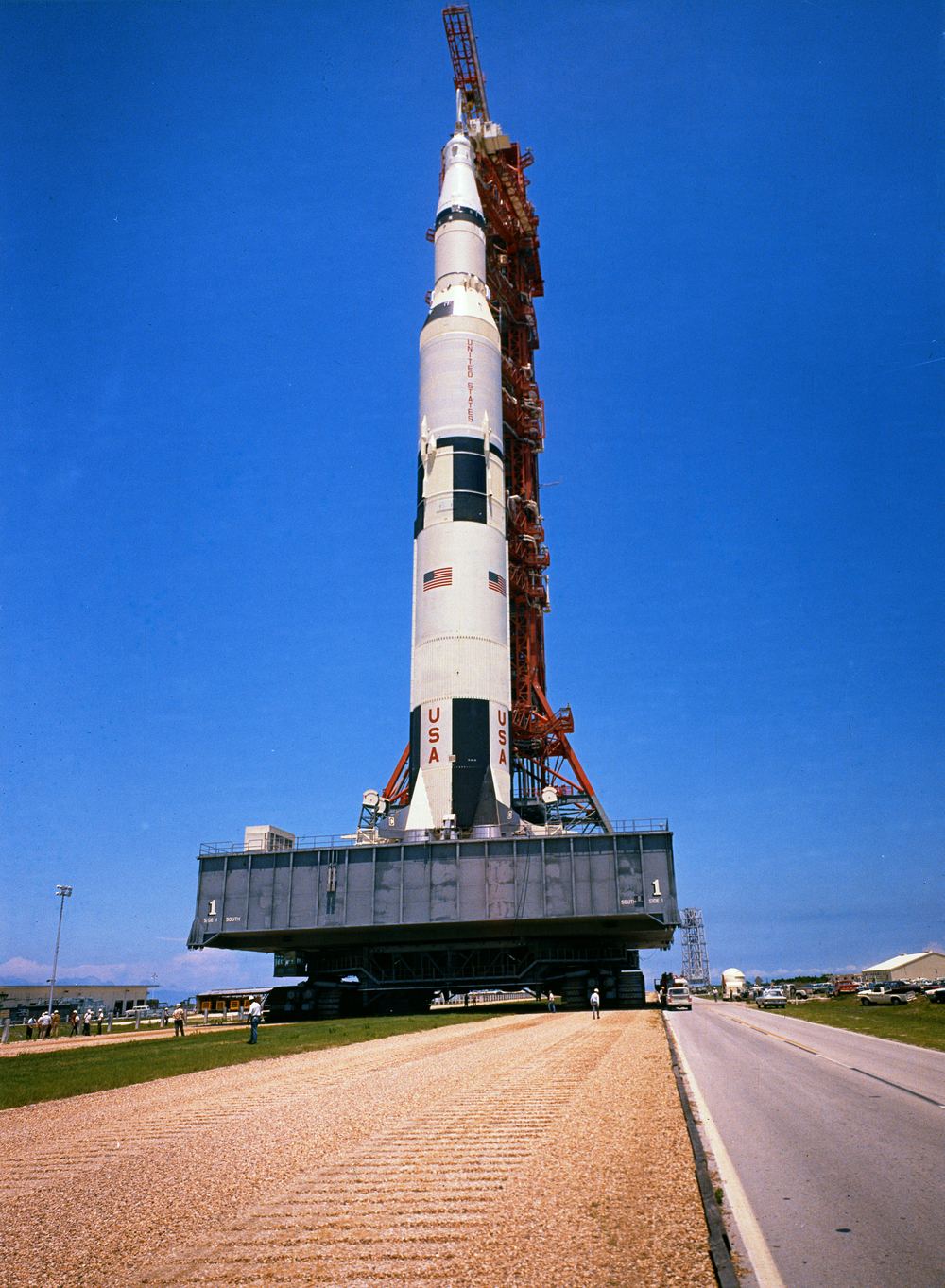
In those eighteen months, NASA has done an enormous amount of work. I’ve been following the reports as they come out, and let me try to describe what’s changed.
The hatch is new. The old hatch opened inward — toward the crew — and could not be opened under the elevated internal pressure. The new hatch opens outward, and it can be opened in seven seconds. Seven seconds. That’s the most important single change, and it happened before anything else.
The atmosphere is different. During ground testing, the cabin is now pressurized with a nitrogen-oxygen mixture rather than pure oxygen. Pure oxygen at elevated pressure turns everything into kindling; nitrogen-oxygen at sea level pressure behaves much more like the air we breathe. When they’re in orbit, they’ll still use oxygen (you can’t carry the weight of nitrogen into space), but on the ground, the dangerous situation — pressurized pure oxygen with human beings sealed inside — is gone.
The materials inside the spacecraft have been changed. The Velcro, the foam, the nylon netting that burned so readily — replaced with materials that don’t burn or burn very slowly. NASA conducted burn tests on hundreds of materials and built a library of what’s safe for use inside the spacecraft. Whoever flies Apollo next will be sitting in a cabin that has been examined for fire risk down to the wire bundle and the access panel latch.
1,341 engineering changes. That’s the number I’ve seen reported. Thirteen hundred and forty-one specific modifications to the spacecraft between January 1967 and now. The Command Module that will fly in the fall is not the same spacecraft that burned on the pad. It bears the same name but it is a substantially different machine.
The Saturn V has now flown twice — Apollo 4 last November and Apollo 6 in April. Apollo 6 had some problems (two second-stage engines failed due to oscillations called “pogo”), but the spacecraft survived and the mission was completed. NASA believes they’ve solved the pogo problem. I hope they’re right.
Wally Schirra’s crew — Schirra, Donn Eisele, and Walt Cunningham — will fly the first crewed Apollo mission, probably in October. They’ll fly the Saturn IB, not the full Saturn V; this mission is Earth orbit only, testing the Command Module with people aboard. Can men actually fly this thing? Does everything work with humans inside? That’s what AS-204 — now called Apollo 7 — will answer.
I keep thinking about Grissom. Not in a morbid way, but in the way you think about someone you followed for years. He would have been first. He was supposed to be first. He was chosen as commander of the first crewed Apollo precisely because he was the best person for that job — experienced, tough, a realist who would push back when something was wrong. He pushed back. He hung a lemon on the simulator. He complained about the quality. And then he died in the thing he had complained about.
I’ve asked myself many times whether he would want them to continue. Whether Grissom, if he could say anything about it now, would say: stop. This isn’t worth it. No more men in these machines.
I don’t know. I never met the man. But from everything I’ve read about him — the stubbornness, the practicality, the absolute commitment to the mission — I think he would say: figure out what went wrong. Fix it. And go.
I think that’s what they’ve done. I think they’re ready. I think, when Schirra’s crew climbs into that redesigned spacecraft in the fall, they’ll be climbing into something that honors what happened eighteen months ago by being better because of it.
That’s not nothing. It’s not enough. But it’s not nothing.