Apollo 6 flew yesterday, and it was not the clean second Saturn V test that everyone hoped for.
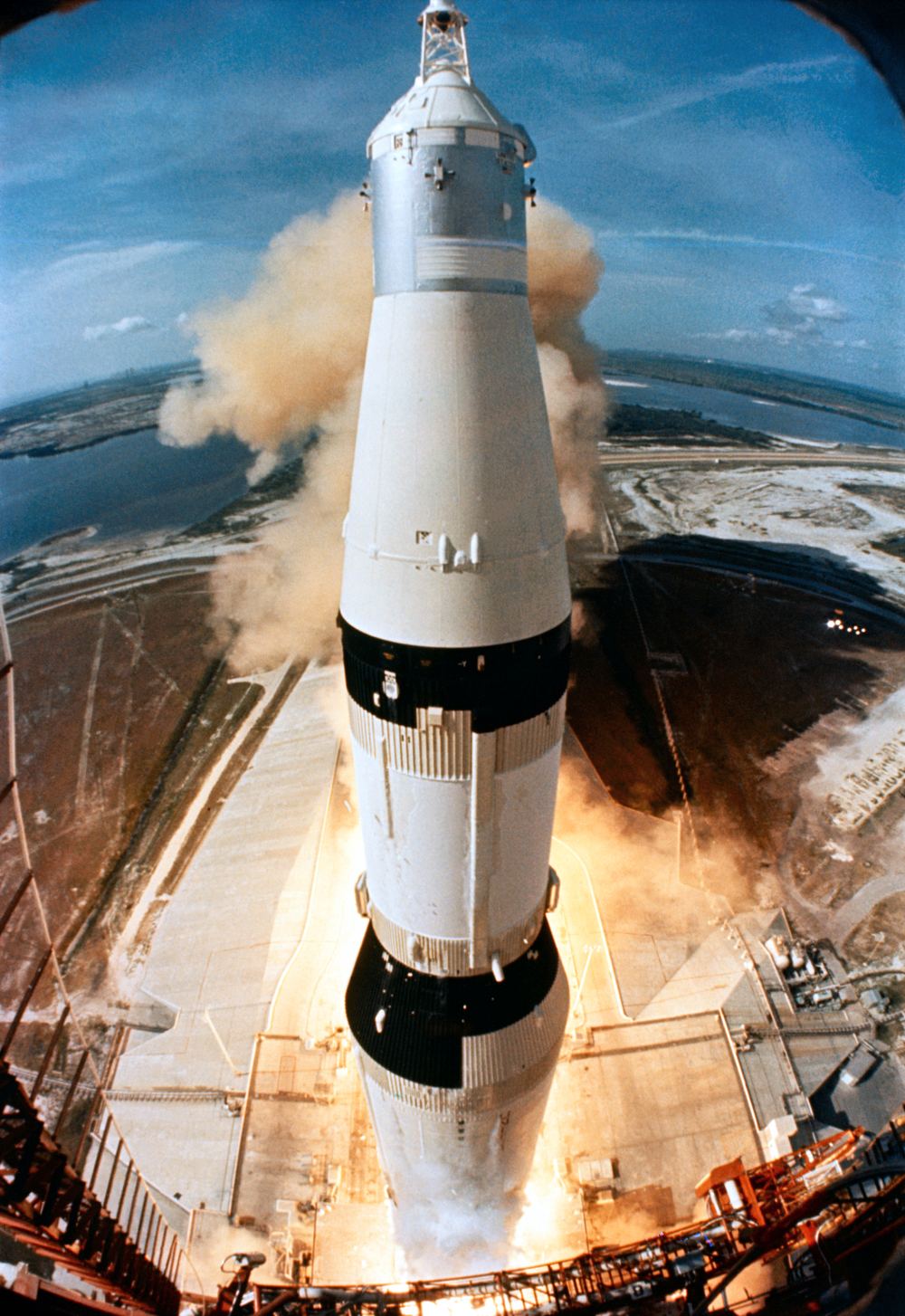
The Saturn V experienced severe “pogo” oscillation during the first stage burn — a longitudinal vibration that built up resonance between the rocket’s structure and the propellant flow, amplifying until the vibration was severe enough to damage equipment. The oscillation reached amplitudes that would have injured a crew. This is a known phenomenon; engineers had been working on it, but apparently hadn’t fully solved it.
Then two J-2 engines on the second stage shut down early — engine failures, leaving the remaining three to burn longer to compensate. The third stage engine also had problems and could not re-ignite for the translunar injection test.
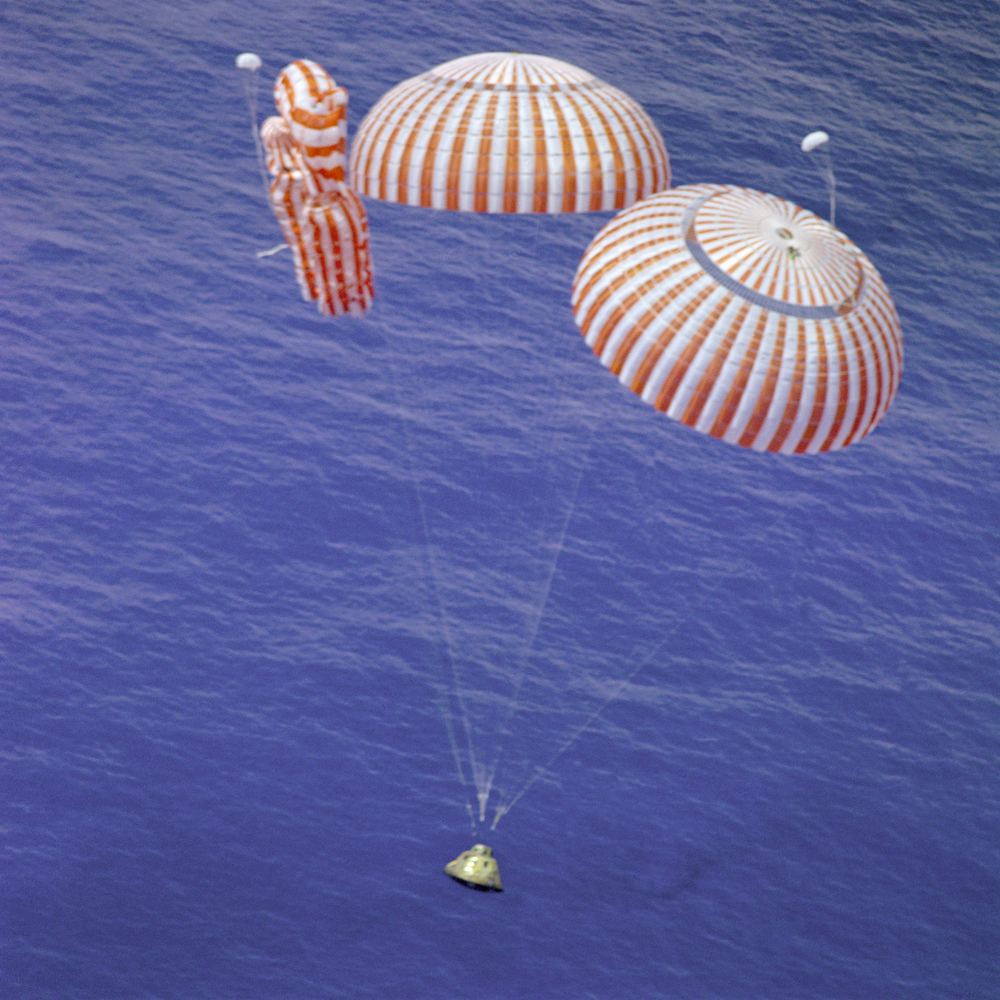
Despite all of this, the command module survived and successfully splashed down. The heat shield performed. The spacecraft itself held up through a test flight that had three engine failures and violent structural vibration.
This is not good. This is not catastrophic either — it’s an unmanned test, no crew was at risk, and the problems were discovered in exactly the environment designed to discover them. But it means there is more work to do on the Saturn V before we can fly people on it.
The pogo oscillation is the more serious problem. Engineers are working on dampener valves in the propellant feeds to break up the resonance. The engine failures appear to be related to loose fittings in the hydrogen propellant system — a design fix.
I’m trying to balance two things: the genuine concern that the Saturn V still has significant problems, and the understanding that this is exactly why you do unmanned tests. You fly the unmanned test, you find the problems, you fix them, and the crew that flies months later benefits from the discoveries.
Apollo 7 is still planned for this fall with Schirra, Eisele, and Cunningham. Whether that timeline holds depends on how quickly the Saturn V fixes can be validated. Apollo 7 doesn’t use a Saturn V anyway — it uses the smaller Saturn IB for Earth orbit. The next Saturn V crewed flight would be Apollo 8.
One problem at a time. Fix the pogo. Fix the engine fittings. Fly again.
That’s the program. That’s always been the program.