While everyone follows the manned race, the Soviets have been running a vigorous unmanned lunar program that deserves more attention than it gets in American reporting.
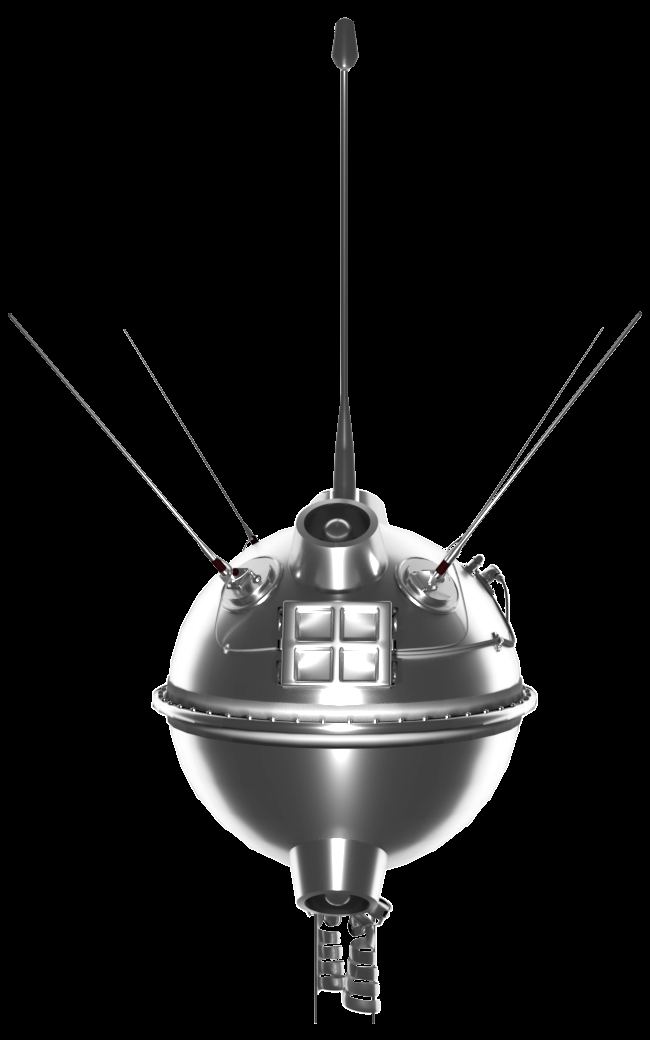
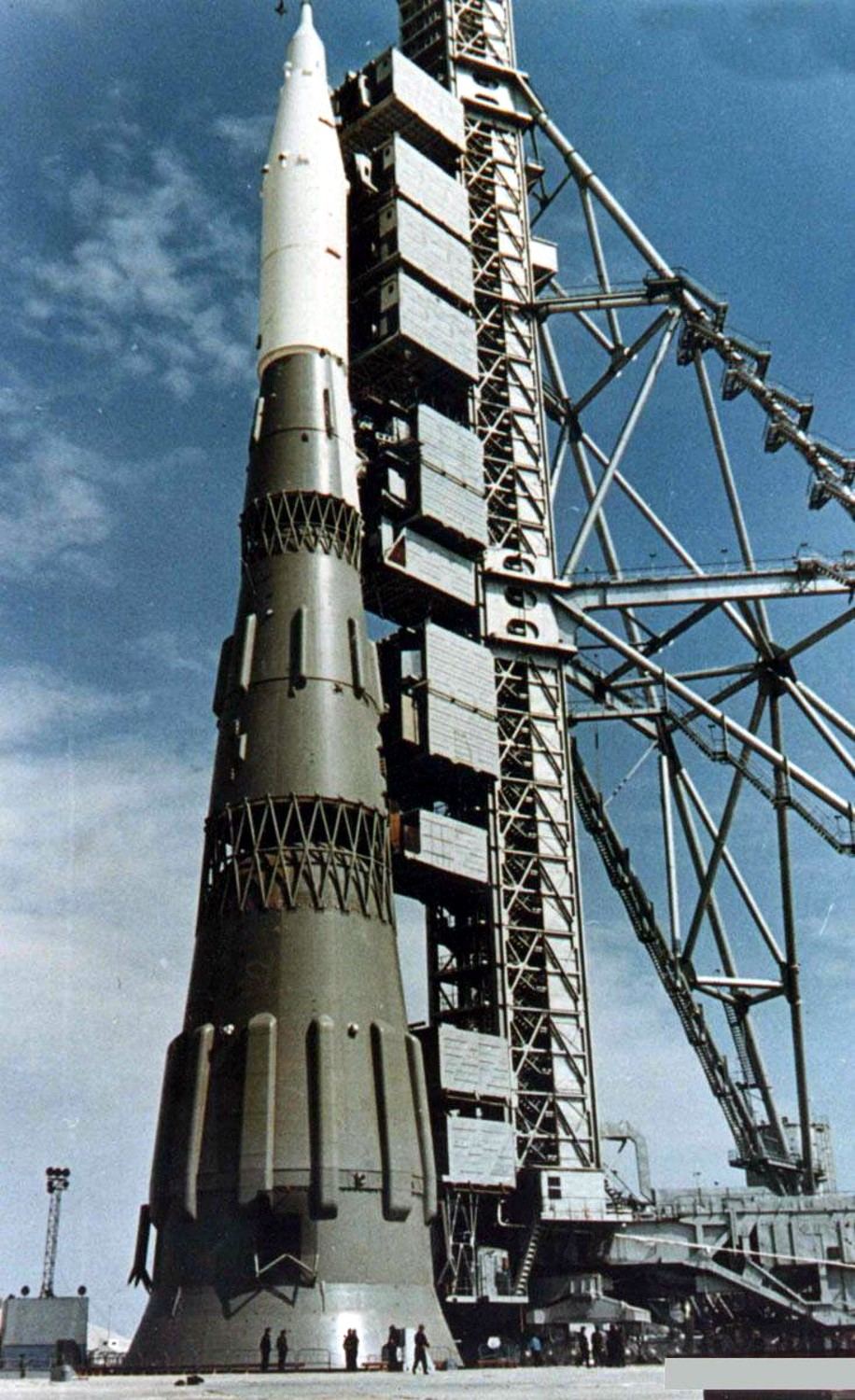
Luna 9: Soft-landed on the Ocean of Storms on February 3, 1966 — the first successful soft landing on the Moon, three months before our Surveyor 1. It transmitted panoramic photographs showing the surface was solid. This was the definitive answer to the “deep dust” question, months before Surveyor confirmed it.
Luna 10: Orbited the Moon in April 1966, becoming the first spacecraft to orbit another world. It detected the Moon’s slight mascons (mass concentrations) that perturb orbiting spacecraft — information useful for precise trajectory planning.
Luna 11, 12, 13: More orbiters and landers through 1966-1967, building up a photographic and geological database comparable to what our Lunar Orbiter program is accumulating.
The Soviet unmanned program has been running nearly as long as ours and with similar frequency. They’ve had more failures — the Luna program had many mission failures that were never announced until success was achieved — but they’ve also accumulated a significant body of firsts.
What they haven’t done: soft-land a rover (the Lunokhod is in development, expected to launch on Luna 17), return samples from the Moon, or send a spacecraft to precisely study a future crewed landing site. These are things the American program has been systematically pursuing with Surveyor and Lunar Orbiter.
The unmanned programs are, in a sense, more honestly scientific than the manned race. The manned missions get all the attention, but the unmanned missions have been steadily building the knowledge base that makes manned missions possible and productive.
Both countries are doing this. The Soviets deserve credit for their unmanned program even while losing the manned race.