Now that I’ve had a few weeks to think about it, let me explain what I understand about Project Gemini and why it matters so much for the Moon landing.
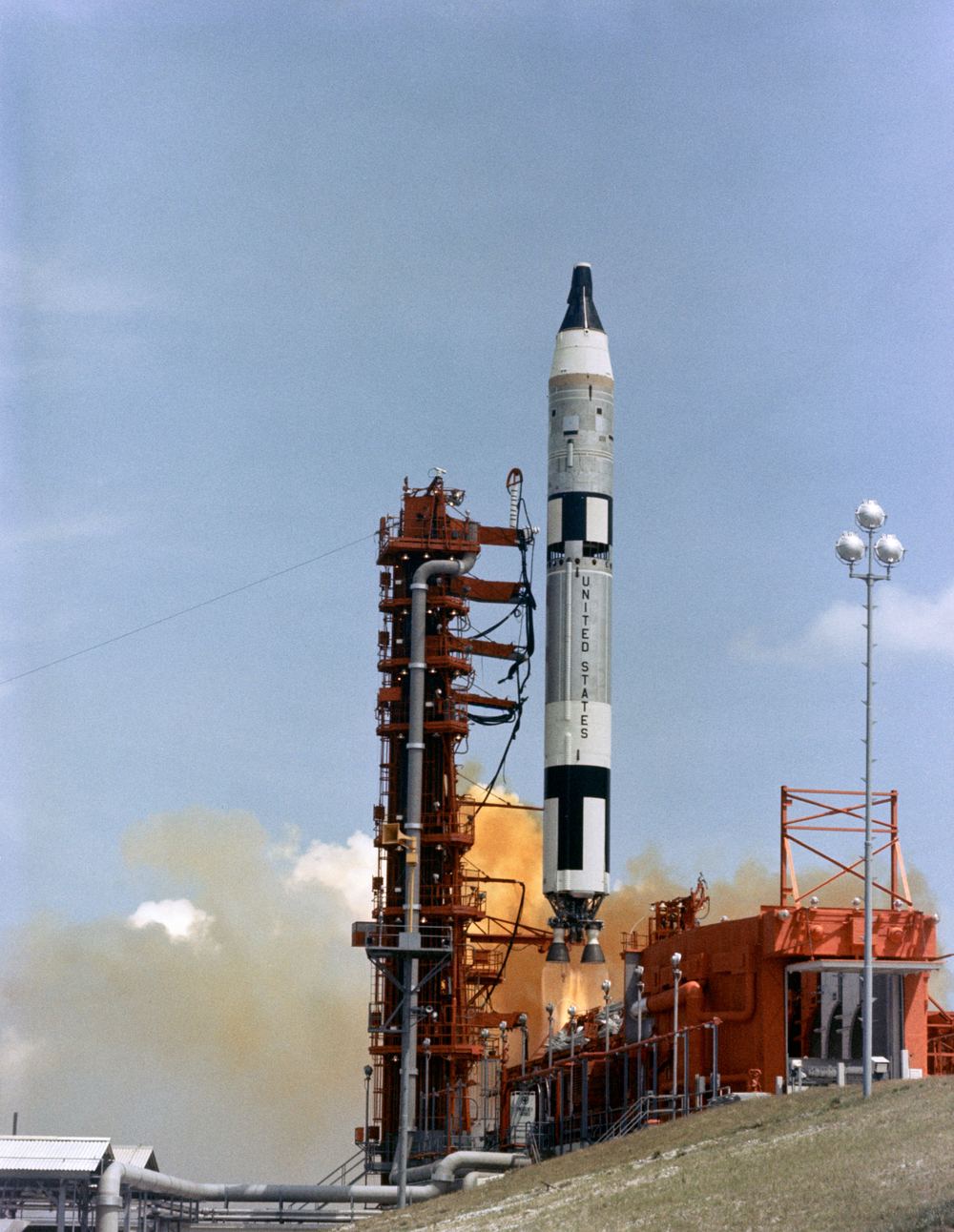
The problem with going to the Moon is not just “building a bigger rocket.” The problem is that everything about a lunar mission is different from anything we’ve done in Mercury. Mercury was proof of concept: can a human being survive in space? Yes. Now the Moon program needs to answer a whole different set of questions:
Can two people work together in space? Can they dock two spacecraft in orbit? Can a person leave the capsule and work outside it? Can we navigate to a specific location in space — not just orbit the Earth, but aim for the Moon and hit it? Can astronauts function for fourteen days in space (the round trip to the Moon takes about eight days, but there’s margin needed)?
Gemini is designed to answer all of these questions before Apollo commits to the Moon.
Two-person crews. This is significant — the Gemini capsule carries two astronauts, and they have to work together, communicate with each other, divide the workload. Management in a confined space. Psychology as well as engineering.
Rendezvous and docking. Two Gemini spacecraft — or a Gemini and an Agena target vehicle — will have to find each other in orbit and link up. This is essential for Apollo, because the lunar mission involves separating the landing craft from the command ship, landing on the Moon, returning, and then docking again in lunar orbit to rejoin. If you can’t dock in orbit, you can’t do the Moon landing.
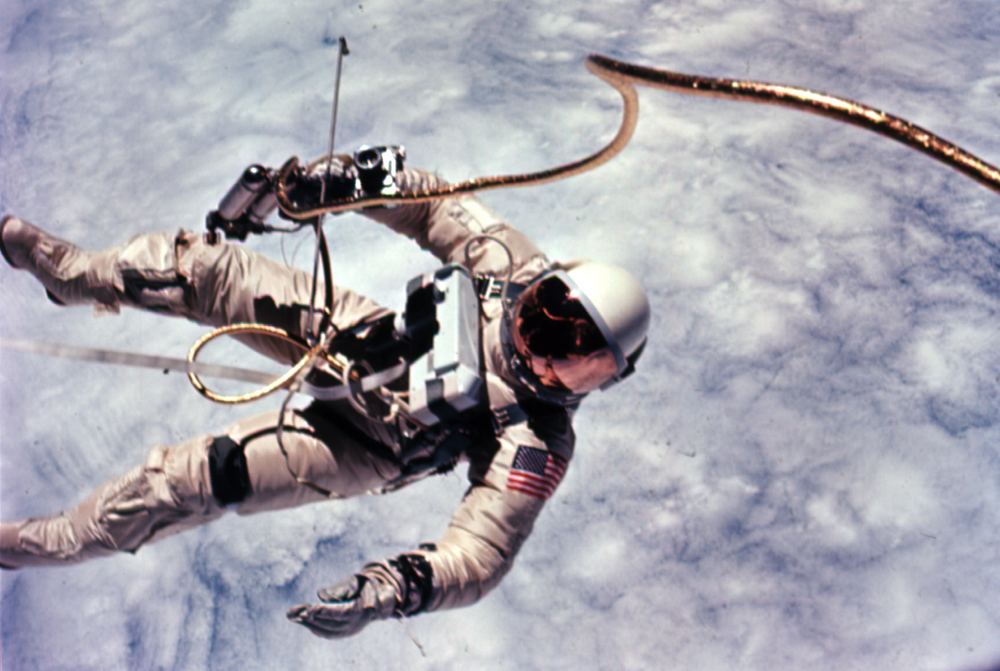
EVA. Spacewalking. The astronaut has to leave the capsule in a pressure suit, work outside it, and get back in. This is necessary because things go wrong in space, and sometimes the fix requires someone going outside to fix them. Also, astronauts will have to go outside on the Moon’s surface, which is an EVA by another name.
Long duration. Gemini missions are going to run up to fourteen days. We need to know that human bodies hold up for that long — bones, muscles, heart, everything.
Johnson is still committed to the Moon goal. Gave a speech explicitly endorsing it. For now, the program continues. I think it will survive Kennedy’s death. Too much momentum, too many contractors, too many jobs, too much riding on it.
Gemini starts with unmanned test missions this year. The first crewed mission — Gemini 3 — is expected in 1965 with Gus Grissom commanding. Yes, Gus Grissom, the man the press was unkind to after Liberty Bell 7 sank. NASA knows who their best people are, even when the newspapers don’t.
We’re back on track. Slower, heavier-hearted, missing a president who owned this dream more personally than any other. But back on track.
Forward.